Field and Community Work
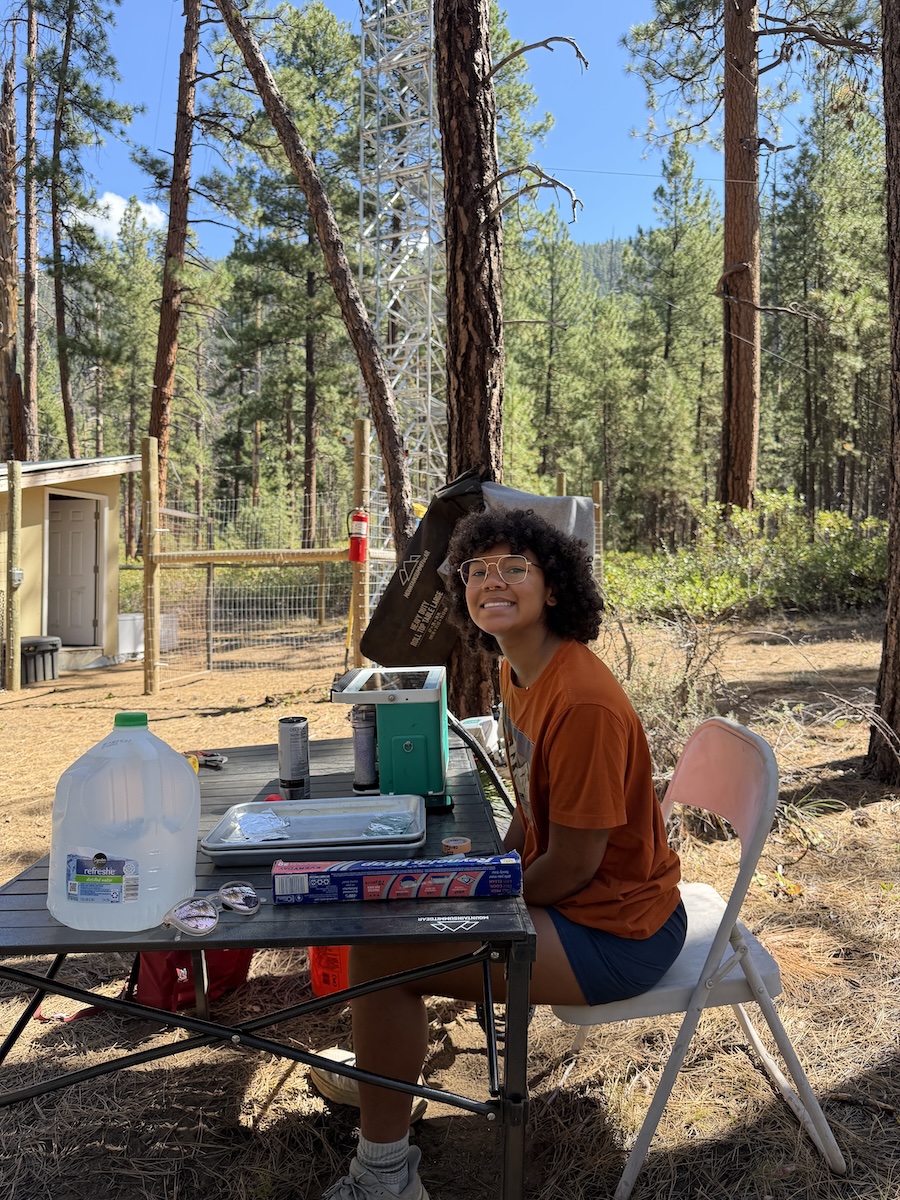
Conduct fieldwork across the US and internationally, from environmental inquiry to policy and community-centered projects.
If the first thing that comes to mind is a test tube, you're not alone. But Bowdoin students pursue big ideas across disciplines, methods, locations, and formats, with faculty mentorship at every stage.
Conduct fieldwork across the US and internationally, from environmental inquiry to policy and community-centered projects.
Test ideas, refine methods, build experience with lab technology, and learn through guidance and focused iteration.
Use advanced tools for mapping, media creation, and data-rich projects that connect your classwork to real-world questions.
Get access to primary source texts, records, and cultural materials to build original arguments with historical and social depth.
Many universities offer research. Bowdoin offers a distinctly undergraduate research culture: personal, rigorous, and built around mentorship from the beginning.
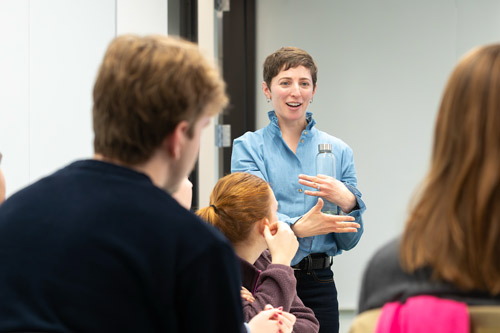
You are in direct conversation with faculty who are driving the research question.
You can move into substantive project work early in your Bowdoin experience.
Mentorship comes from professors—instead of graduate students or teaching assistants—so it's personal, sustained, and relevant to your goals.
Collaboration and intellectual rigor are part of the culture at Bowdoin, not part of a special program.
48.9%
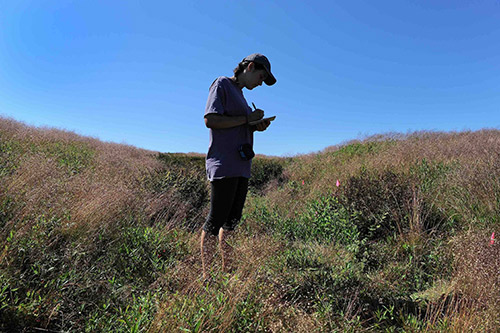
This year, a record-breaking 223 students received a funded internship grant from CXD to work for the organization of their choice anywhere in the world.
39.5%
180 students received a research fellowship from Bowdoin, representing academic departments across campus. Many are undertaking their research on campus, advised by a faculty member.
8.1%
37 students have a fellowship through the McKeen Center: 10 are Bowdoin Public Service fellows, 6 are Global Citizens, 12 are Maine Community fellows, and 9 are Denning fellows.
3.5%
16 students have a fellowship through the Environmental Studies program to do research or pursue an internship.