Kappa Psi Upsilon Maine Based Environmental Studies Fellowships
Ginger Arnold '27 - City of Bath Sustainability
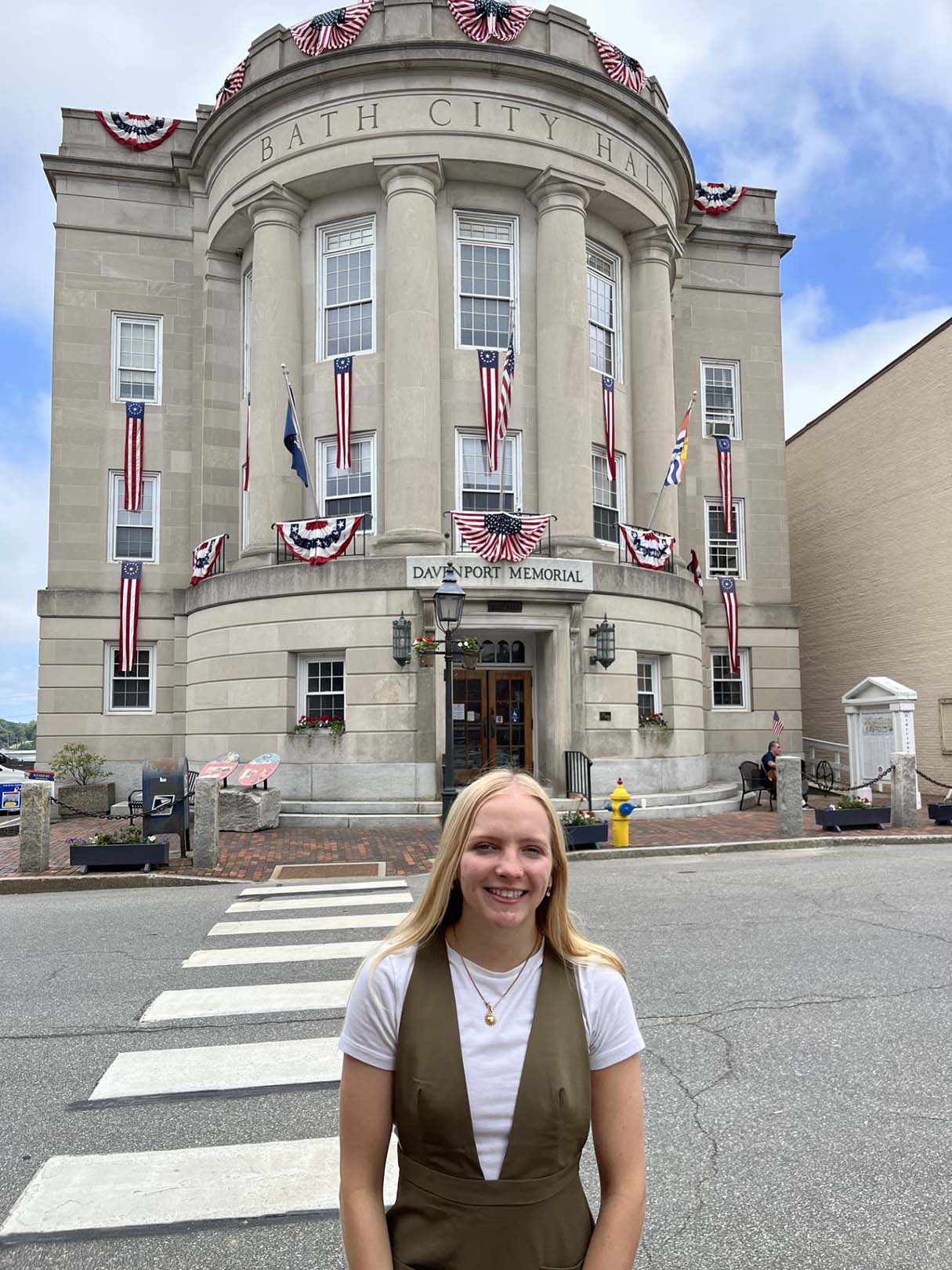
This summer at the Bath Sustainability Office Ginger had the opportunity to work on climate action implementation with Siler Climate Consulting. Their guidance helped shape several projects and highlighted the important role of public engagement in municipal sustainability efforts. From sidewalk audits to zoning updates each project involved some element of community input.
“My primary projected involved creating a public-facing dashboard to track Bath’s greenhouse gad (GHG) emissions. This work included migrating the city’s data into ClearPath 2.0 platform, researching how other municipalities communicate GHG data and aligning Bath’s performance metrics with ClimateView’s transition elements to show progress toward net-zero emissions. I also supported a sidewalk audit in collaboration with the Bicycle, Pedestrian, and Transportation Committee. I developed a digital survey using Survey 123, conducted field assessments and used ArcGIS tools to analyze sidewalk conditions and trends. This summer experience encouraged me to think more strategically about how to connect with residents, motivate their participation and build excitement around sustainability initiatives.”
Emi Blakely '27 - Coastal Enterprises Inc. (CEI)
At CEI this summer Emi documented and analyzed CEI’s history of engaging with environmental work. Through conducting interviews and research, she built a timeline of this history, situated it in the context of the U.S.’s past and present sociopolitical landscapes, and generated recommendations for CEI's future work. She also organized lending data to supplement the archival and historical research in her final 30+ page report, ArcGIS StoryMaps page, and presentation delivered to employees and leadership.
"“Sustainability” for CEI applies not only to climate resilience and financial health but also relationships: the threads that keep this work together- especially during times of adversity. Being at CEI when the landscapes of community development and environmental work are in flux has given me insight into a network of creative people determined to adapt to changing circumstances. This gives me hope for the immense promise of local work and mobilization in the future. I gained professional development through this internship and an understanding of the kind of work I may want to do in the future.”
Emma Butterfield '26 - Maine Coast Fishermen's Association
Emma spent her summer working at Maine Coast Fishermen’s Association (MCFA), with a specific focus on MCFA’s Working Waterfront Project (WWF). Emma joined the project in the preliminary stages immersing herself in research catching up on the state of working waterfronts over the past 30 years. To help provide a comprehensive site of information for those concerned with Maine coastal communities Emma created a webpage that will be used as a reference point for the WWF project going forward. The work Emma was able to contribute to and hear about amongst the workers at MCFA gave Emma insight into what a pivotal contribution non-profit organizations can make on their communities.
“I am very grateful for the time I got to work with MCFA throughout the summer. This internship has been incredibly insightful in providing an in-depth look into the multiple layers that are necessary for building a successful non-profit. As a Mainer myself it was very special to see firsthand the devotion that is given back to Maine fishing communities that have served as the building blocks of our state for decades. I am excited to apply the understanding that I have gained of the nonprofit world when looking to start my career post-grad.”
Lex Davis '26 - Flycather, LLC
This summer Lex had an incredible opportunity to do various field-based tasks! She assisted in wetland delineations, helped write proposals and reports, visited solar and wind sites as well as helped conduct a turtle survey among other activities. She got the opportunity to break out of the Bowdoin bubble and get to see other parts of Maine and improve her Maine knowledge and geography. Throughout the whole process she learned so much about the environment and all that environmental consulting entails.
"One part of the experience that I am especially grateful for is that every day was a different adventure and every day was a learning opportunity! It is also a really cool feeling to drive past places where I have worked on field sites and realized how extensive my “office” was this summer. I enjoyed driving to sites with coworkers, while getting to know them and witnessing their passion for the environment."
Henry Doerr '26 - Town of Brunswick Planning and Development
This summer Henry worked with the Town of Brunswick Environmental Planner’s Office where he worked to support implementation of the Mare Brook Watershed Management Plan under the guidance of Environmental Planner Ashley Charleson. With Brunswick beginning the process of updating its 2005 pesticide and fertilizers ordinance, Henry researched similar ordinances from other towns to help ensure that the town is well informed to move forward with drafting an update. Both projects involve significant outreach and encourage community engagement.
"This summer I supported of implementation of the Mare Brook Watershed Management plan. I conducted public outreach to residents living near Mare Brook, meti with nonprofit partners like Trout Unlimited, and researched the ecological benefits of strategic wood additions- an approach that involved placing woody material directly into the stream channel to improve habitat. I also worked with the Brunswick Coastal Resource office to monitor stream conditions- measuring flow salinity and temperature and collecting water samples for quality testing to better understand potential pollution sources and protect the bay’s water quality."
Ethan Hatcher '27 - Environmental Studies Fellow with Manomet for Conservation Sciences
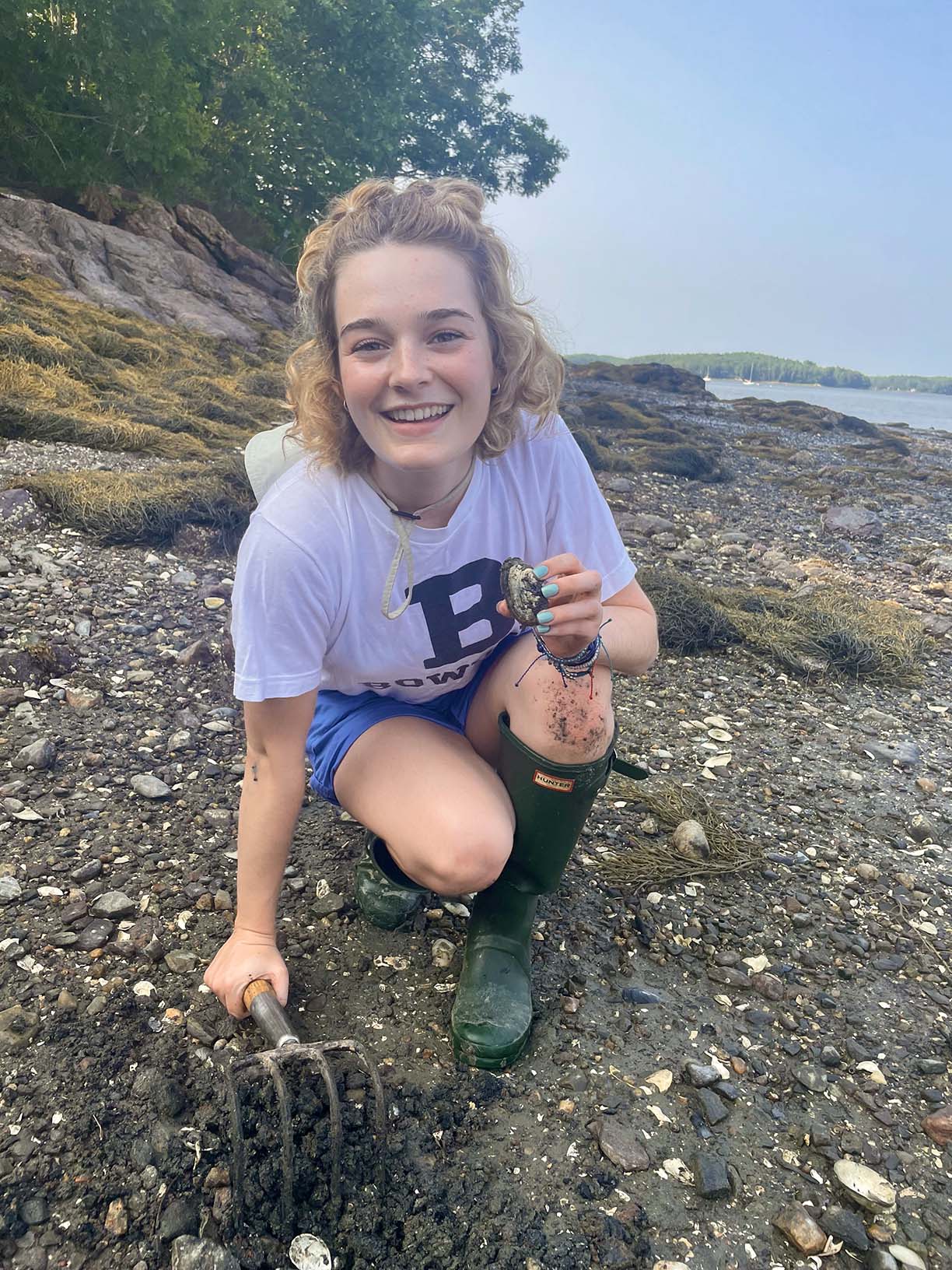
Working for Manomet Conservation Sciences, Ethan engaged in a variety of projects focused on promoting resilient and productive coastal ecosystems and communities. He participated in field work which included green crab and blue crab trapping and monitoring to determine the species population dynamics, as well as monitoring Quahog growth in a floating upweller system. Outside of his fieldwork, Ethan researched federal and state level shellfish regulations as part of an effort to reduce unnecessary burdens faced by shellfish harvesters. He also gained valuable experience with data analysis, as he used R to analyze green crab data from Casco Bay and presented his work to groups working on eelgrass restoration.
“My fellowship with Manomet provided a great opportunity to dive into fisheries research, which was a field I didn’t have any experience in. I was able to explore Maine through field work and meet so many incredible scientists, fishers, and other experts from Manomet’s partner organizations. I was given the freedom to pursue my interests, which allowed me to have a positive impact while engaging deeply with the projects I was working on and developing skills that will help me in my future. I am excited to continue learning about Maine’s fisheries!”
Hazel Johnson '27 - Maine Coast Fishermen's Association (MCFA)
Hazel spent the summer with the Maine Coast Fishermen’s Association (MCFA), focusing on a project that worked with Manomet and local fishermen. The black sea bass survey was created to have data to support fishermen’s sightings of an increase in the fish in Maine waters. Hazel created a poster and a business card to promote the survey to fishermen, especially lobstermen who have been catching black sea bass in their traps. She used the software ImageJ to measure fish in pictures that fishermen sent in. Hazel made a storymap in ArcGIS to show where fishermen are catching black sea bass and explain why knowing more about the fish’s migration into Maine is important.
“Being a part of the Maine Coast Fishermen’s Association team gave me a glimpse into the wide range of necessary work that happens around fisheries. I got to be a part of weekly staff meetings and help staff on various projects. I enjoyed collaborating with MCFA and Manomet to create posters and an ArcGIS storymap to inform fishermen about the black sea bass project.”
Shea McGrath '27 - Bicycle Coalition of Maine (BCM)
During his time at BCM, Shea helped at education and outreach events, including bicycle safety presentations, fix-a-bike classes at libraries and schools around Portland, and tabling/e-bike demo events. He also helped at two of BCM’s summer ride events, and parked bikes at the popular “Bike Valet” service at Portland events and concerts. Throughout the summer, his main project involved creating an interactive online map with GIS to assess the bikeability, or stress level, of Greater Portland’s roads and streets. Through this project, Shea collected critical community feedback on high-stress areas for vulnerable road users and engaged with city planners to model where infrastructure improvements are most needed.
“I had a great time at the Bicycle Coalition of Maine! I created a bikeability mapping project with GIS for BCM’s website. I had the chance to meet and learn from transportation and city planners and conducted community outreach with the Portland bicycle community. Having the opportunity to immerse myself into the work that goes into making streets safe for all was so fascinating and inspiring. BCM keeps Maine rolling!”
Raam Melvani '27 - Brunswick Topsham Land Trust
Raam spent his summer with the Brunswick Topsham Land Trust- building bridges at the Tom Settlemire Community Garden where he planted seeds, plucked weeds, and installed irrigation lines for a portion of the garden dedicated to growing produce for the Midcoast Hunger Prevention Program. He staffed the “Taking Root” plant sale at Crystal Spring Farm. Stewardship Fridays found Raam digging trails, building bridges, and clearing weeds on BTLT trails. At the Cathance River Nature Preserve (CREA), Raam was a field trip assistant and CREA camp counselor.
“For my independent project I compiled a guide for the Tom Settlemire Garden which included information about pests, pollinators, seeds and seedlings, specific crops, wind, soil, the garden’s history. And perhaps most importantly- what it means to garden in community. I surveyed more than 40 plot holders and interviewed a few one on one. My main take away: you get out of the soil what you put into it. Mainstream farming practices sacrifice long-term environmental stability for short-term production.”
Iris Reyes '26 - Town of Topsham Planning and Development
This summer at the Topsham Department of Planning and Codes Iris was immersed in three main projects. Working in the town’s Historic District where she researched Topsham’s historic preservation guidelines and wrote a memo for a proposed window replacement in one of Topsham’s historic buildings. Under the supervision of the Town Planner and Director of Planning Iris participated in the review process for a preliminary subdivision application. Throughout the summer she also conducted in-depth research on open space subdivisions by analyzing selected ordinances from across Maine.
“I gained invaluable guidance and mentorship with the Town of Topsham Department of Planning and Codes this summer. I was able to work closely with the Historic District researching the town’s preservation guidelines, writing a memo for a proposed window replacement in a historic building, attending the review of the application by the Historic District Commission and saw the ultimate approval of the application. Under the supervision of the Town Planner and Director of Planning I participated in the review process for a preliminary subdivision application. I analyzed the application materials for compliance with the town’s zoning and subdivision ordinances, collected staff comments and shared my feedback directly with the developer. I also conducted research on open space subdivisions by analyzing ordinances from 17 towns.”
Logan Environmental Studies Fellowship
Isa Fernandez '27 - The Nature Conservancy of Maine
Isa spent her summer working with a variety of teams at The Nature Conservancy’s (TNC) Maine Field Office, with a heavier focus on projects with the Policy and Government Relations team and the Freshwaters team. With the policy team, she conducted research on Maine Won’t Wait, providing suggestions for how TNC could best achieve their 2030 climate goals in line with the policies of Maine’s Climate Council. With the Freshwater team, she assisted with their Culvert Restoration project, which involved combing through data provided by the Maine’s Department of Environmental Protection and Department of Transportation to create a cohesive document with all the necessary information, making the tracking and monitoring of these culvert restorations more streamlined.
“My summer with TNC was nothing short of remarkable. I was able to see first-hand how many different groups influence environmental policy and conservation work, as well as how many communities rely on organizations such as these to advocate for them in a time where climate change threatens so many Mainers. I have a newfound passion for community resilience, and plan on applying the number of skills I learned with TNC in the future!”
Poppy Environmental Studies Fellowship
Charlotte Tagupa '26 - Maine Conservation Voters
While at Maine Conservation Voters (MCV), Charlotte contributed to the policy, communications, and development teams. At the Maine State House, she directly engaged with legislators to advocate for the Energy Fairness Bill. She also helped compile data and conduct research for MCV’s environmental scorecard—an accountability tool that highlights key developments from the 132nd Maine legislative session. Throughout the summer, Charlotte enjoyed writing blog posts, conducting research projects, and connecting with MCV members at fundraising events.
“Leaving MCV, I’m taking with me a deeper understanding of the legislative process, government accountability, and the power of coalitions. In class, I’ve studied environmental and political issues in theory, but MCV showed me what political change looks like in practice. With guidance from my colleagues, I learned that real change depends on relationships, coordination, and persistence. On a personal level, I’ve become more engaged with Maine politics and developed a strong appreciation for the importance of participating in state government.”
Cooke Environmental Research Fellowship
Hannah Crowley '27 Cooke Environmental Studies Research Fellowship
Faculty mentor: Professor Brandon Tate
This summer, Hannah contributed to the Tate Lab’s ongoing research into synthetic fuels while engaging with her community on the underlying issues that motivate the lab. Instead of drawing from non-renewable carbon resource pools underground, synthetic fuels are synthesized with captured carbon dioxide gas, making the synthetic fuel cycle carbon neutral. With rapidly changing weather patterns and an economy that relies on natural resources, Maine is feeling the impacts of climate change acutely. The young people in our community deserve to be empowered to tackle the crisis head on, which is why Hannah spent part of the summer educating students about the power of green chemistry and how the Tate Lab is harnessing its principles.
"During my time in the Tate Lab, I focused on developing hard-soft acid-base mismatch catalysts to activate hydrogen for carbon dioxide hydrogenation, a critical reaction step in the synthetic fuel cycle. Our hydrogenation catalysts are unique and somewhat novel because they employ acid-base chemistry as opposed to redox chemistry, which is most common for hydrogenation catalysts but less suitable for our carbon dioxide substrate. As a result of their novelty, my primary responsibility in the lab was to refine the synthetic pathway to the catalysts’ precursor.
Beyond my lab work, I spent the first week of my summer with a small group of students and professors from Bowdoin in Calais, Maine, where we taught interactive science lessons to seventh graders from the Passamaquoddy Indian Township Reservation and the Sipayik Reservation. The lesson that I led explored the effects of climate change in Washington County and the ecosystem’s inspiring resilience. Later in the summer, I partnered with the Curtis Memorial Library in Brunswick to put together an installation for their children’s section that explained the importance of clean energy. Both experiences grounded me in the significance of my lab work and deeply enriched my summer."
Asher Savel '26 Cooke Environmental Research Fellowship
Faculty mentor: Shana Starobin
Food lover Asher Savel explores the effects of the Maine Food Sovereignty Act on Maine towns, producers, and consumers to examine how the state’s food systems can improve under town-based regulations. He has interviewed and spoken with farmers, town officials, nonprofit coordinators, and visited markets across the state from Caribou to Yarmouth. The 'Right to Food in Maine' Act has created tensions among food producers and processors surrounding licensing and inspections, property rights, animal welfare, and food quality. Under Food Sovereignty, more unlicensed residents in communities have felt empowered to produce and sell their own food legally, while larger producers are worried about damage to Maine’s reputation.
Asher will continue to explore the issue in an honors project.
“My research on Food Sovereignty and Maine’s relationship with food has taken me all over the state, interviewing and talking to farmers in Aroostook County to municipal planners in Auburn. The Right to Food has laid the foundation for a local food revolution brewing in small towns, fostering closer relationships with communities and their food production. This fellowship has underlined the importance of fresh, healthy, local food and our need to stray from the centralized, subsidized system of low-quality food that too many rely on.”
Environmental Studies Collaborative Project
Idil Ibrahim Aibo '27 Environmental Studies Collaborative Project with Growing to Give
Idil spent her summer working with Growing to Give, alongside a small crew of farm staff and volunteers. She learned to propagate new plants, prepare and maintain soil beds for crops, do pest control, harvest, and much more. Her work included conducting an independent project to digitize past plans and create an interactive map of the farm's crops using ArcGIS. This facilitated the process of planning crop rotation and provided an organizational tool to visualize previous farm layouts. Throughout the summer, she participated in valuable conversations with volunteers on the farm that highlighted the value of bringing community together to fighting food insecurity in Maine.
"This summer, I became familiar with the work that goes into growing quality organic produce and observed how G2G collaborates with hunger prevention organizations to combat food insecurity. I built on what I had learned in my ES classes through conversations with farm staff and volunteers, concluding that climate-friendly agriculture encompasses many values that are deeply personal and unique to each individual. Most importantly, our farming mantra was "many hands make light work"; I experienced firsthand that community brought together can tackle tasks that once seemed impossible."
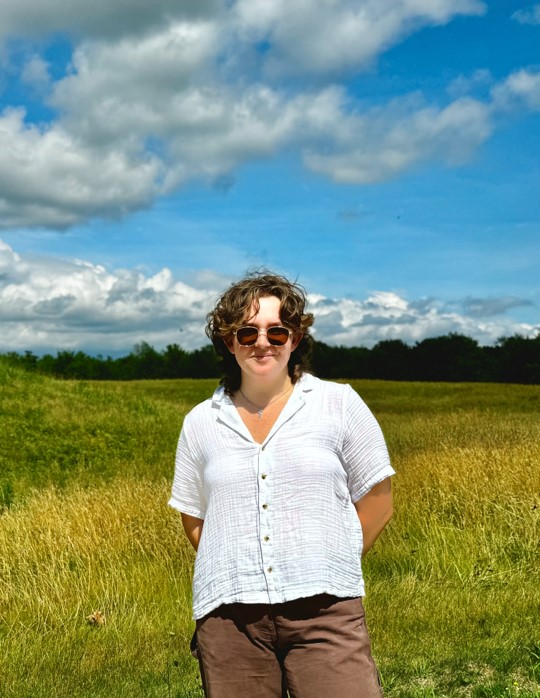
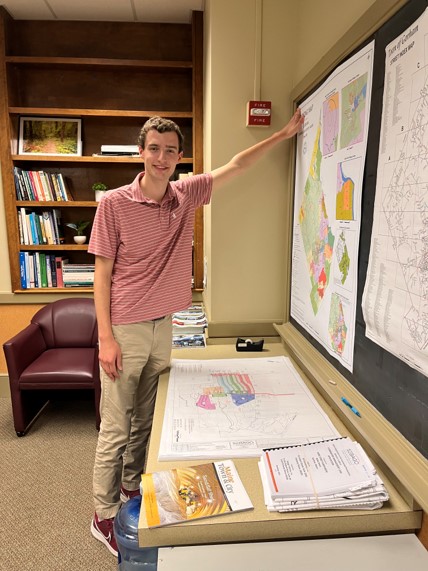 Chase Lenk '26 - Town of Gorham Planning Division
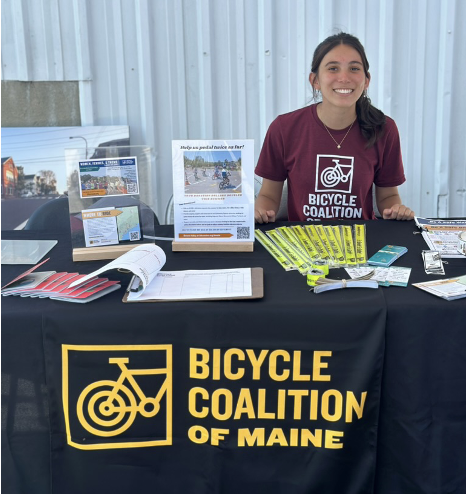 Naomi Lopez '26 - Bicycle Coalition of Maine
 Chloe Sheehan '26 - Town of Brunswick Planning and Development
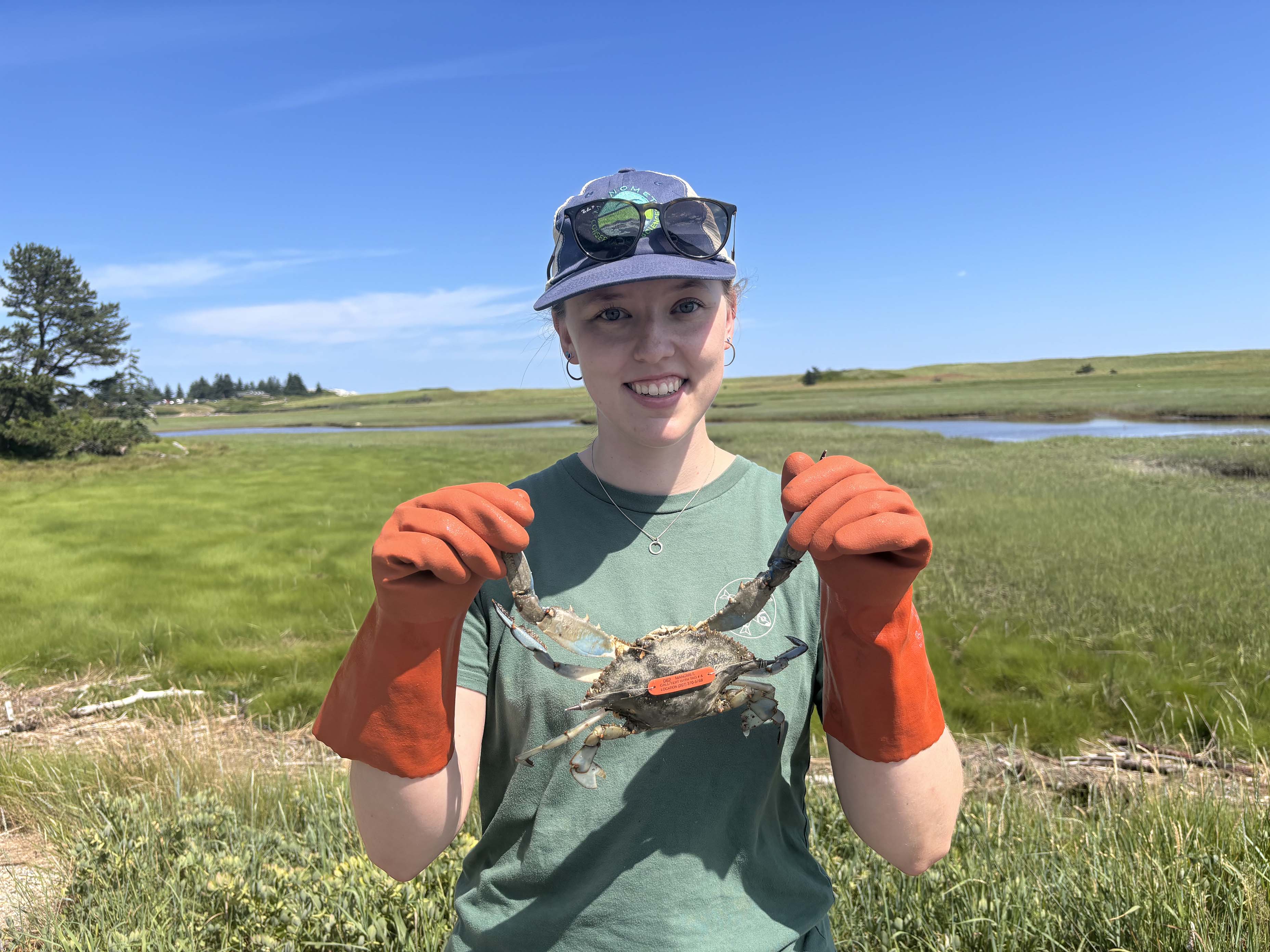 Zoe Stonorov '25 - Manomet for Conservation Science
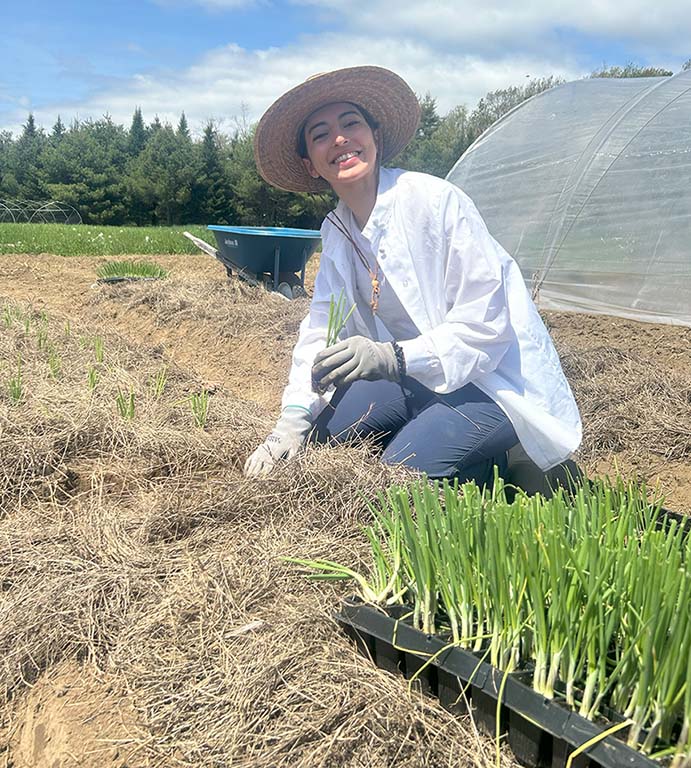 Selima Terras '26 - Environmental Studies Fellow with Milkweed Farm
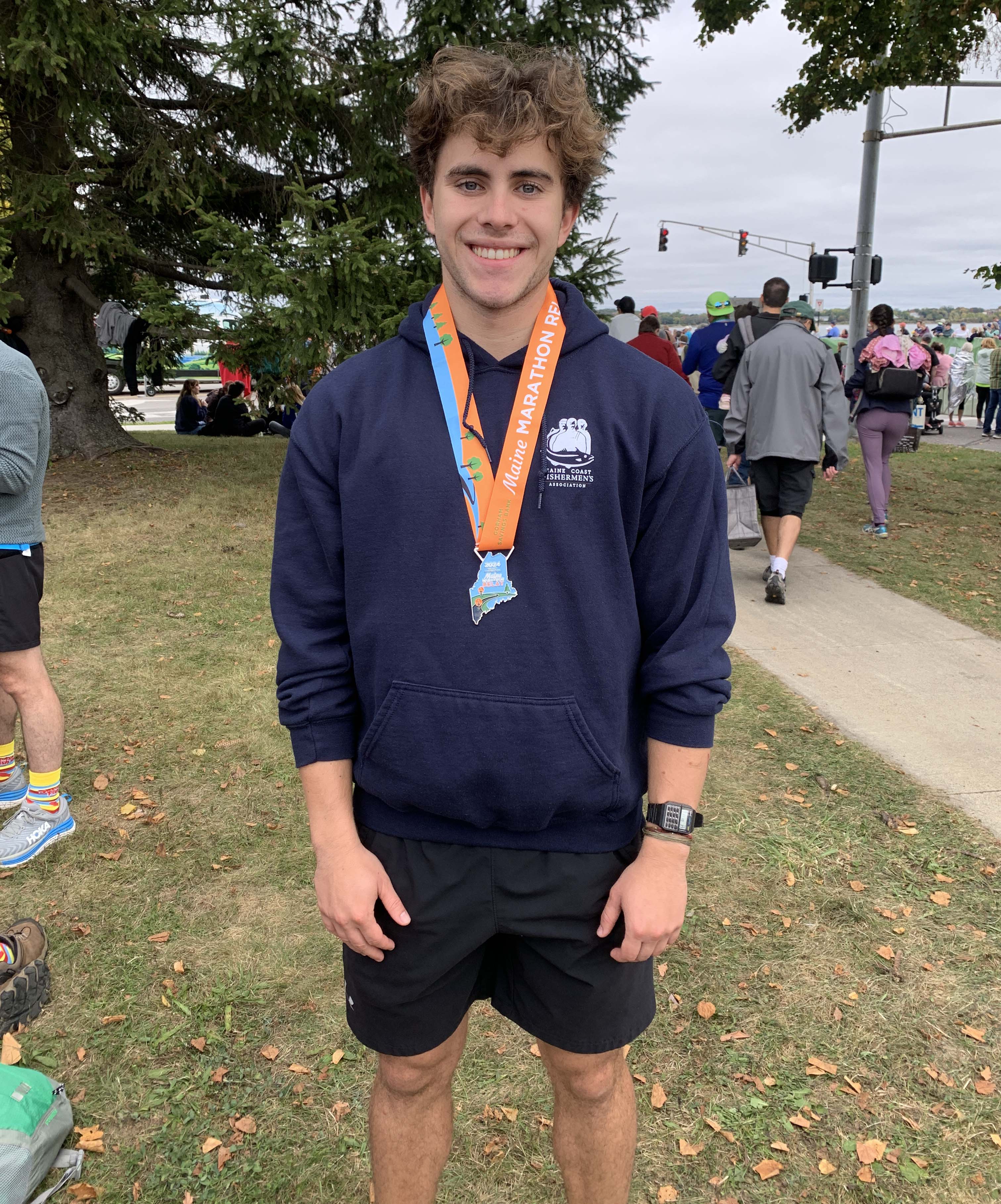 Justin Whitney, 25 - Maine Coast Fishermen's Association, summer 2024
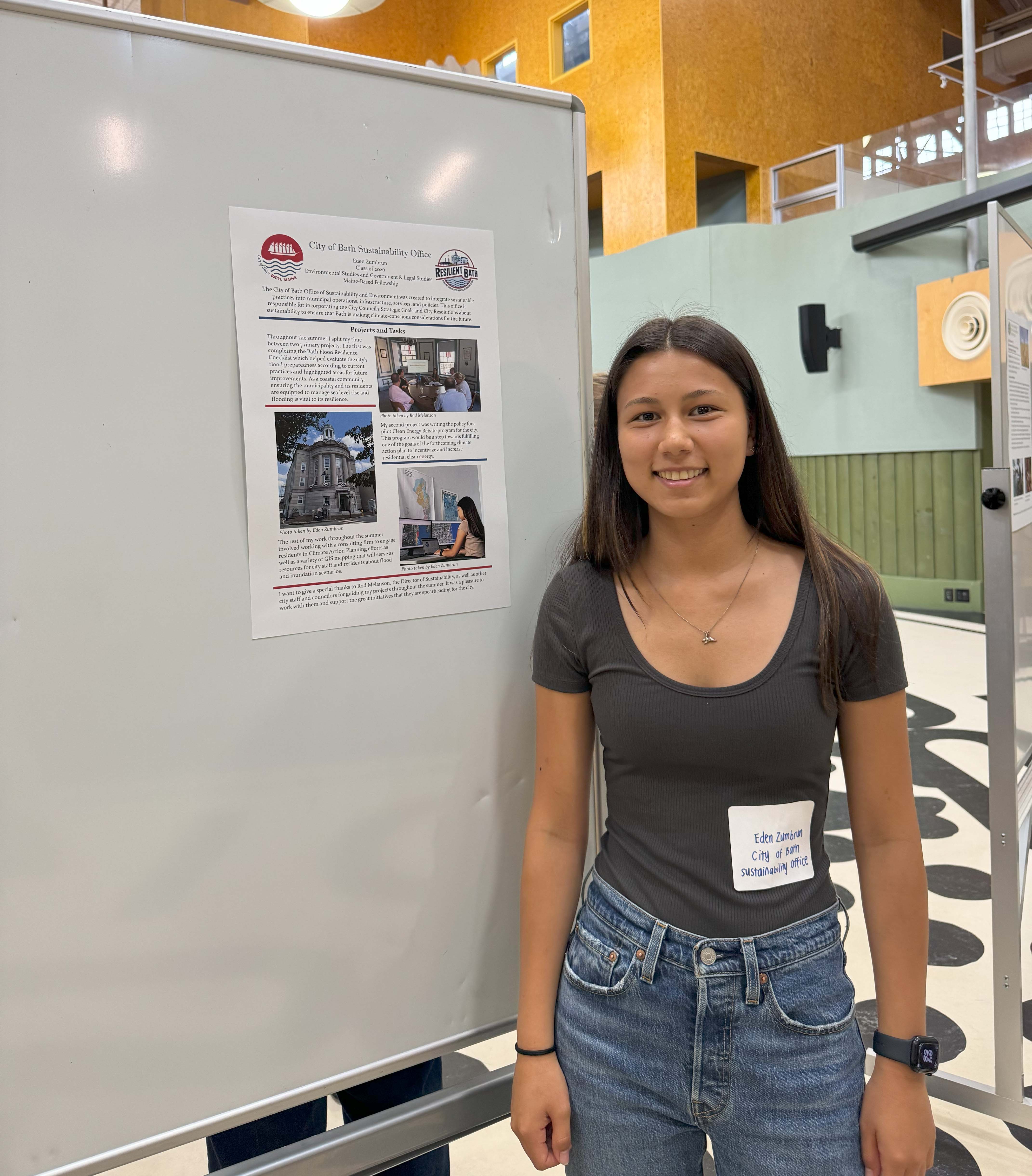 Eden Zumbrun '26 - City of Bath Sustainability Office
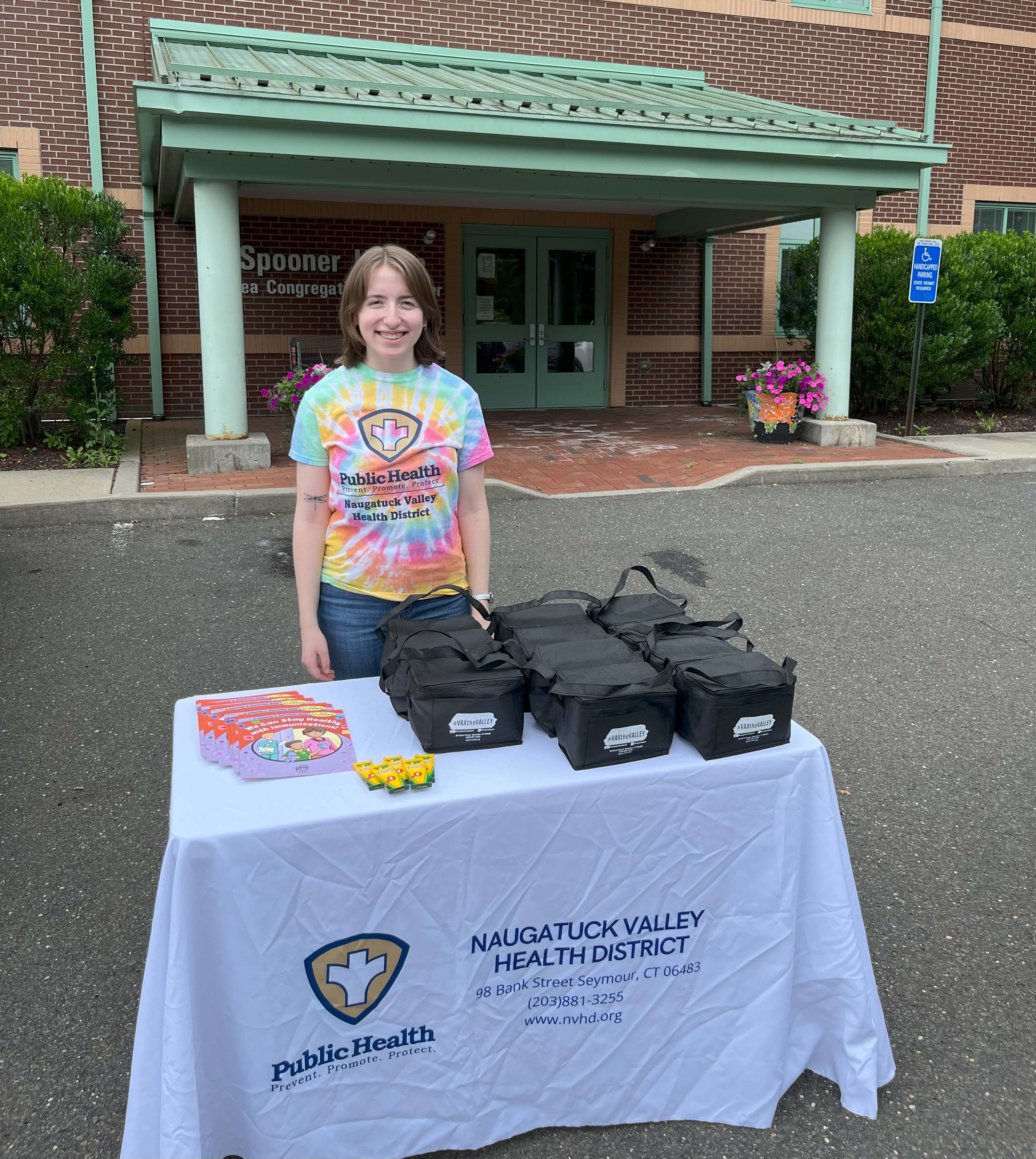 Liliana Restrepo '26 - Naugatuck Valley Health District
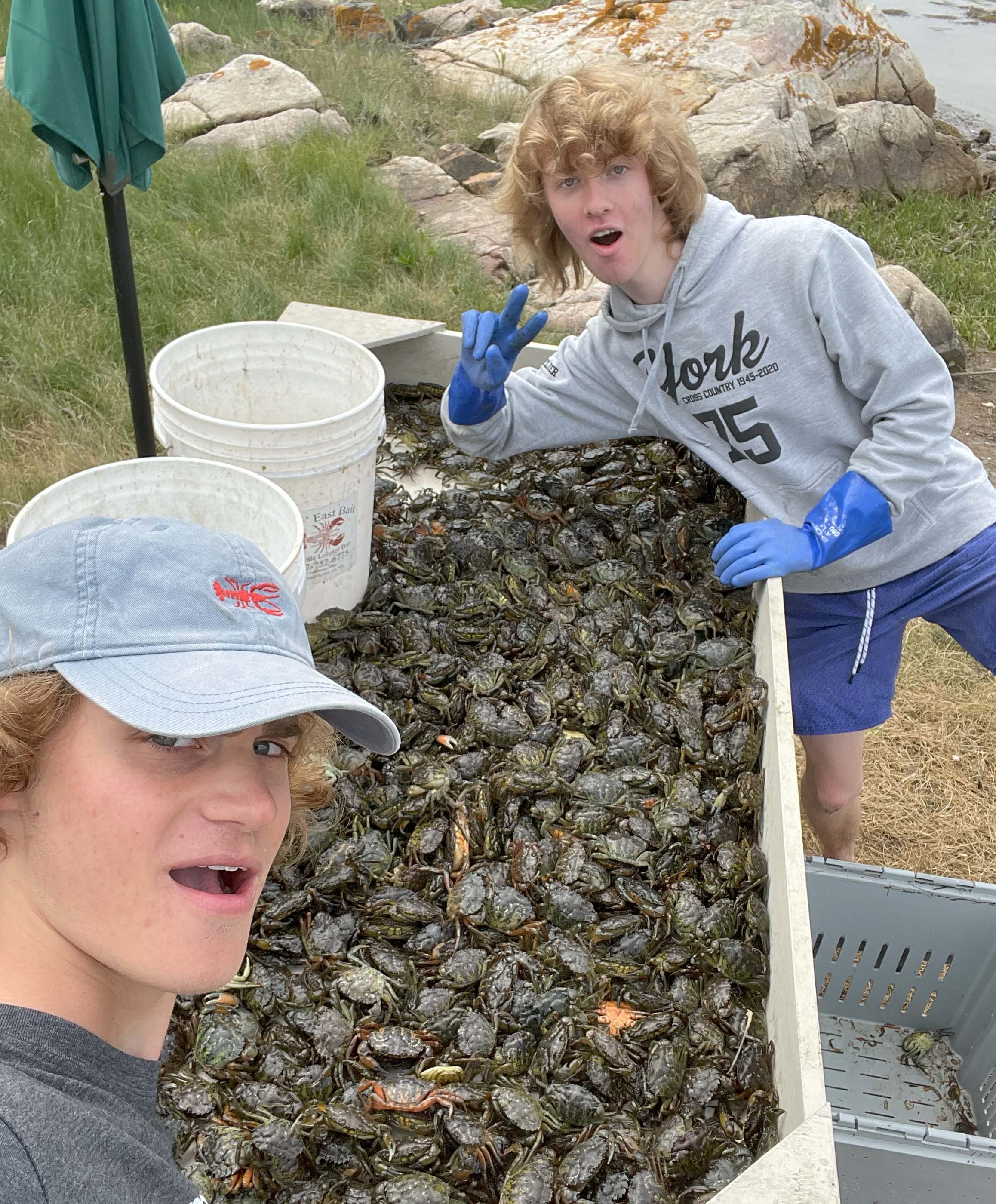 Gabe Sarno '25 - Shell+Claw
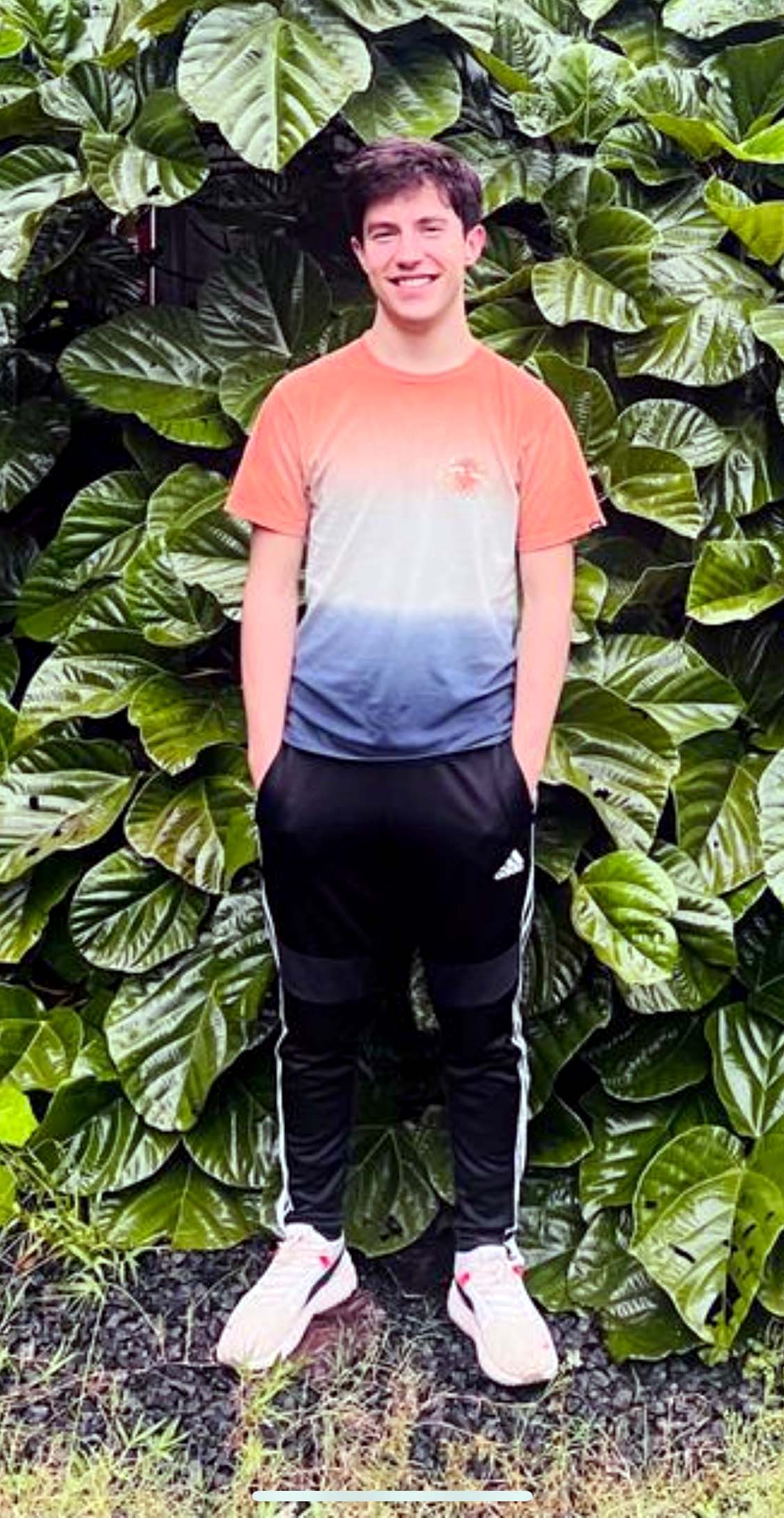 Evan Grauer '26 - The Nature Conservancy of Maine
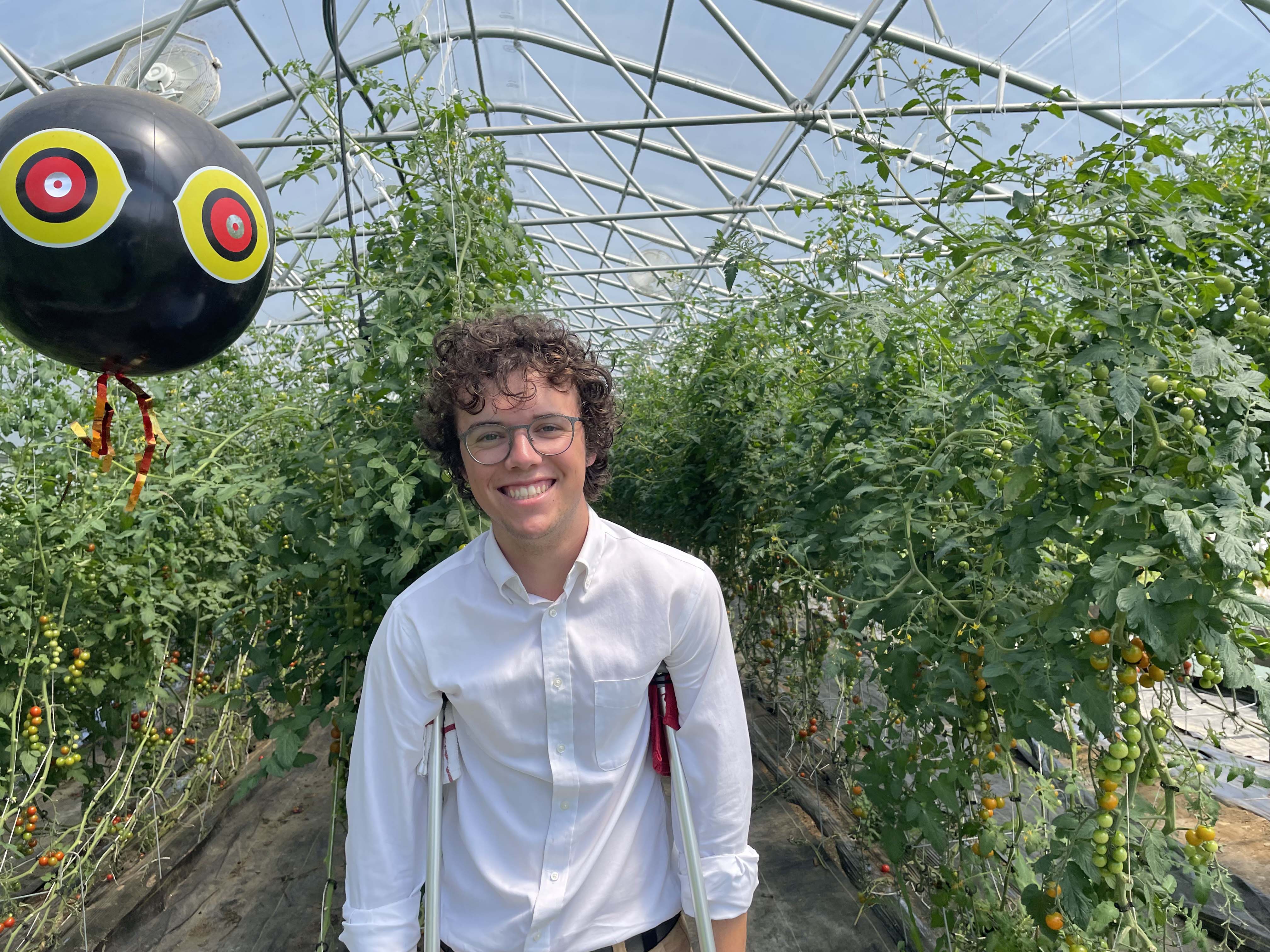 Eli Mears, '26, Coastal Enterprises, Inc, CEI
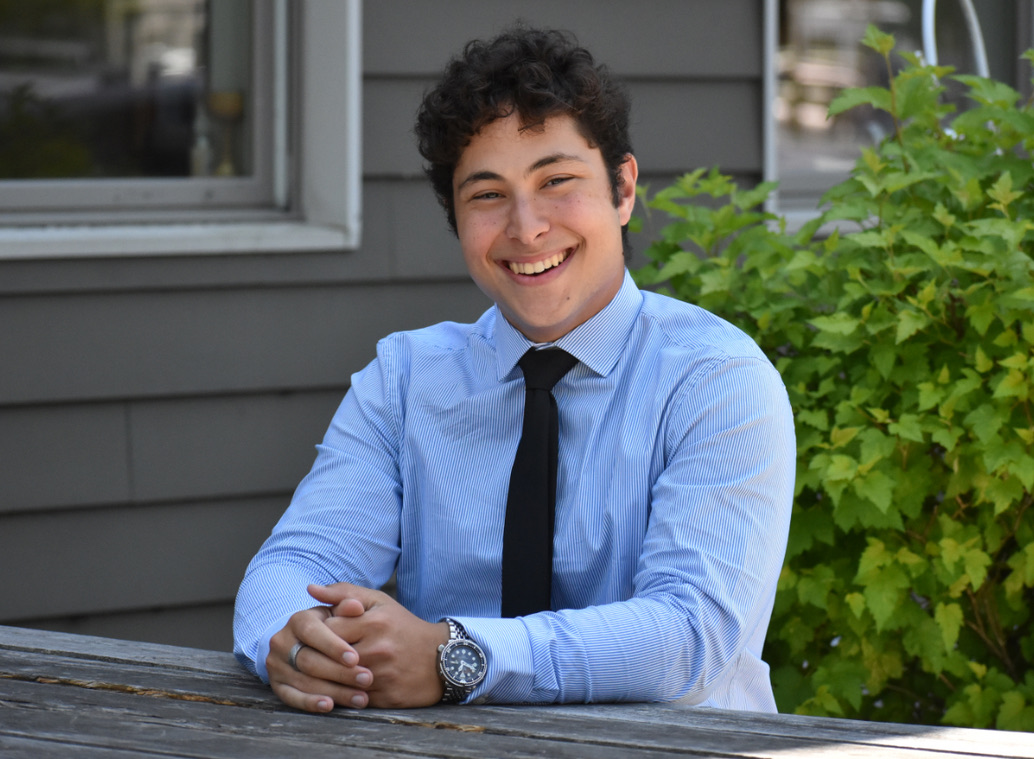 Asher Savel, '26, Coastal Enterprises, Inc, CEI
 Addison spent the summer working on the Town of Brunswick’s climate and conservation initiatives, putting skills from environmental policy courses. Projects included monitoring Town-held conservation easements, developing a climate action survey, and interviewing local community leaders. The findings from the latter, incorporated with an analysis of infrastructural vulnerabilities, will inform the Town’s future actions on adapting to climate change. He also became familiar with many different municipal activities and departments, such as the Town Clerk, Assessing, and GIS Administration. Finally, in Climate Action Task Force and Conservation Commission meetings, he met and worked with various Brunswick residents.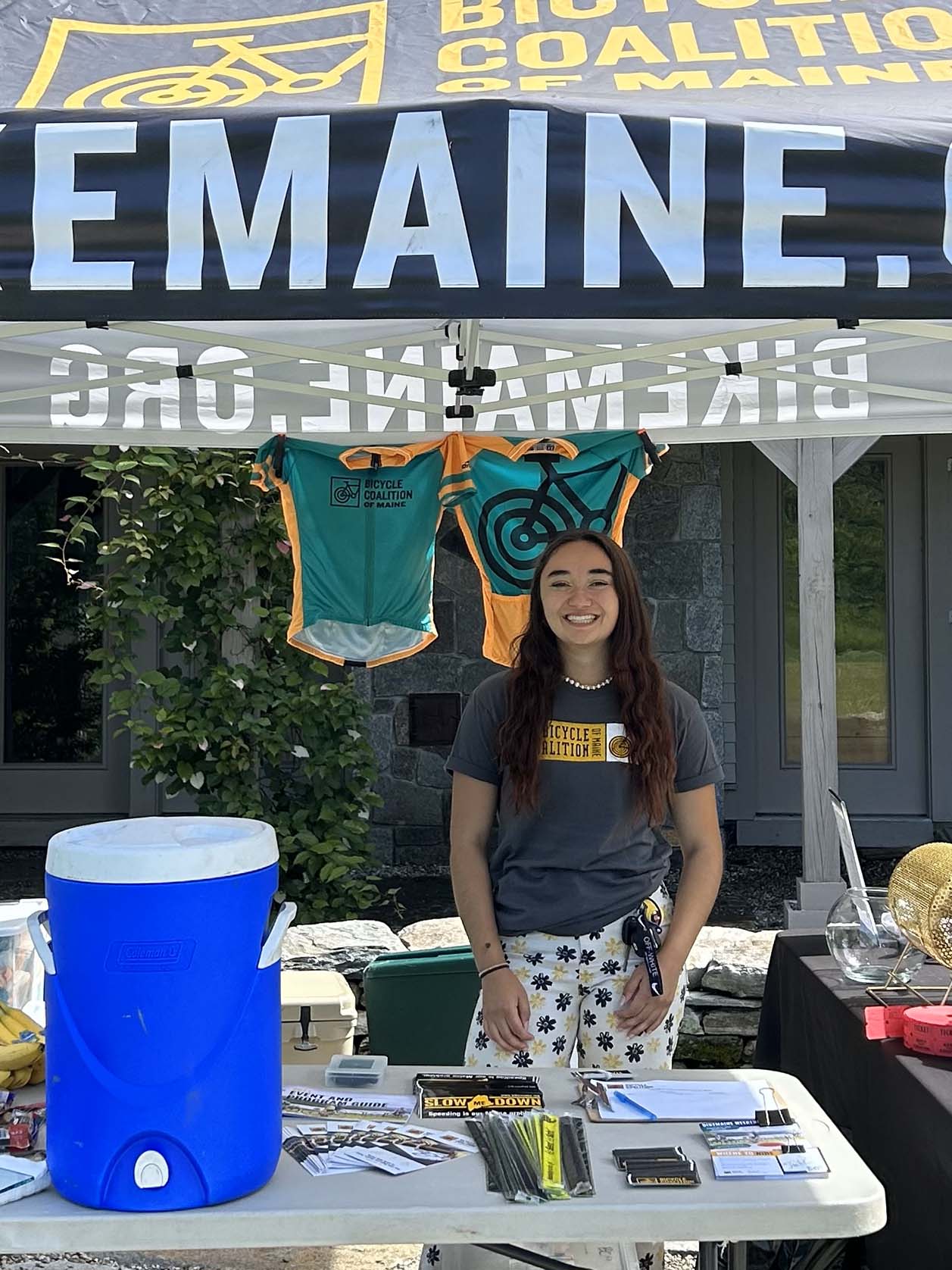
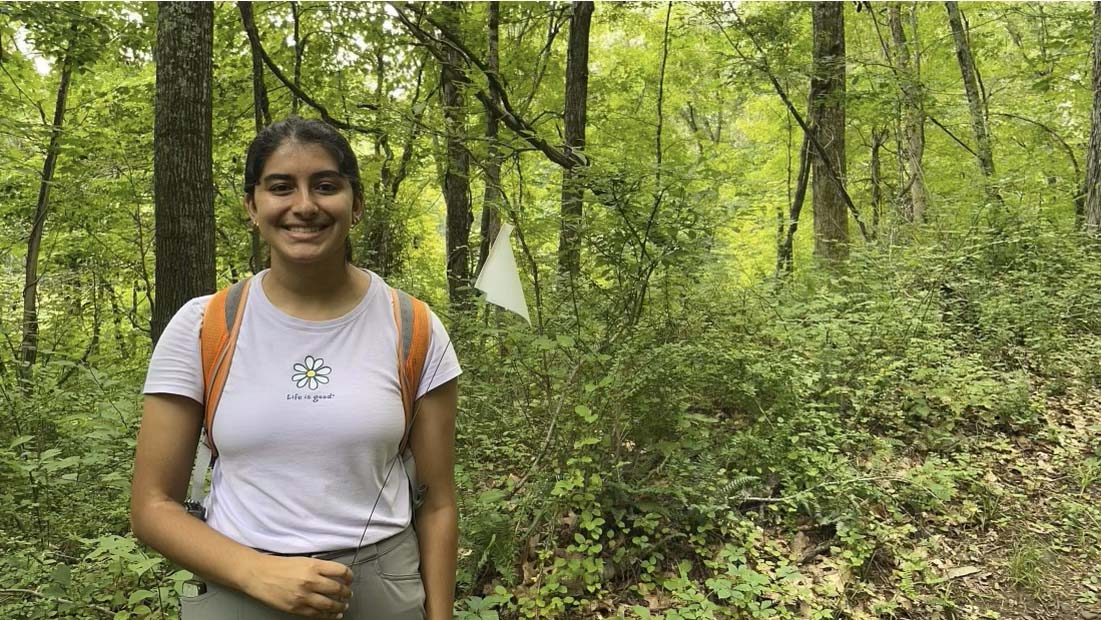
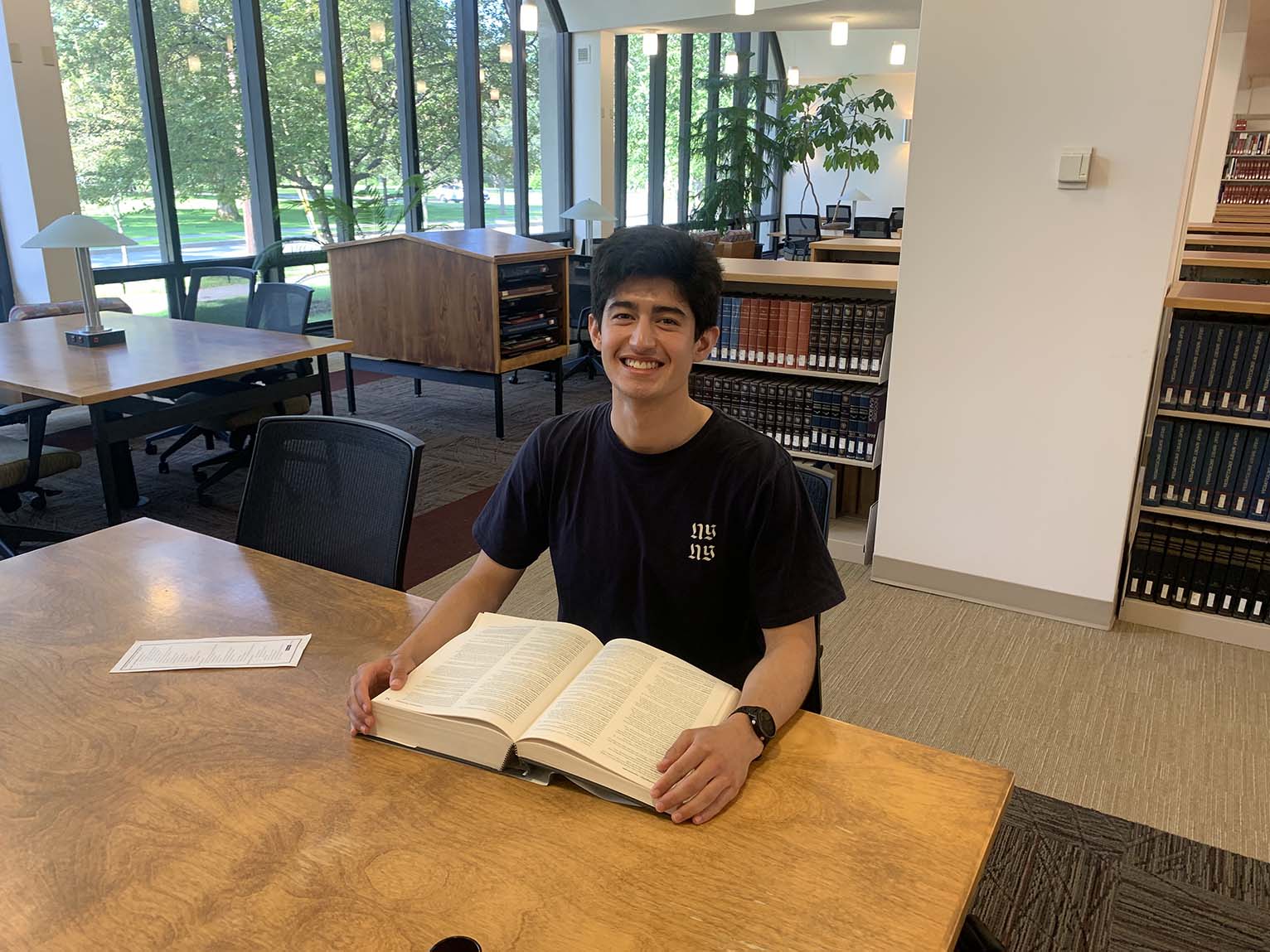
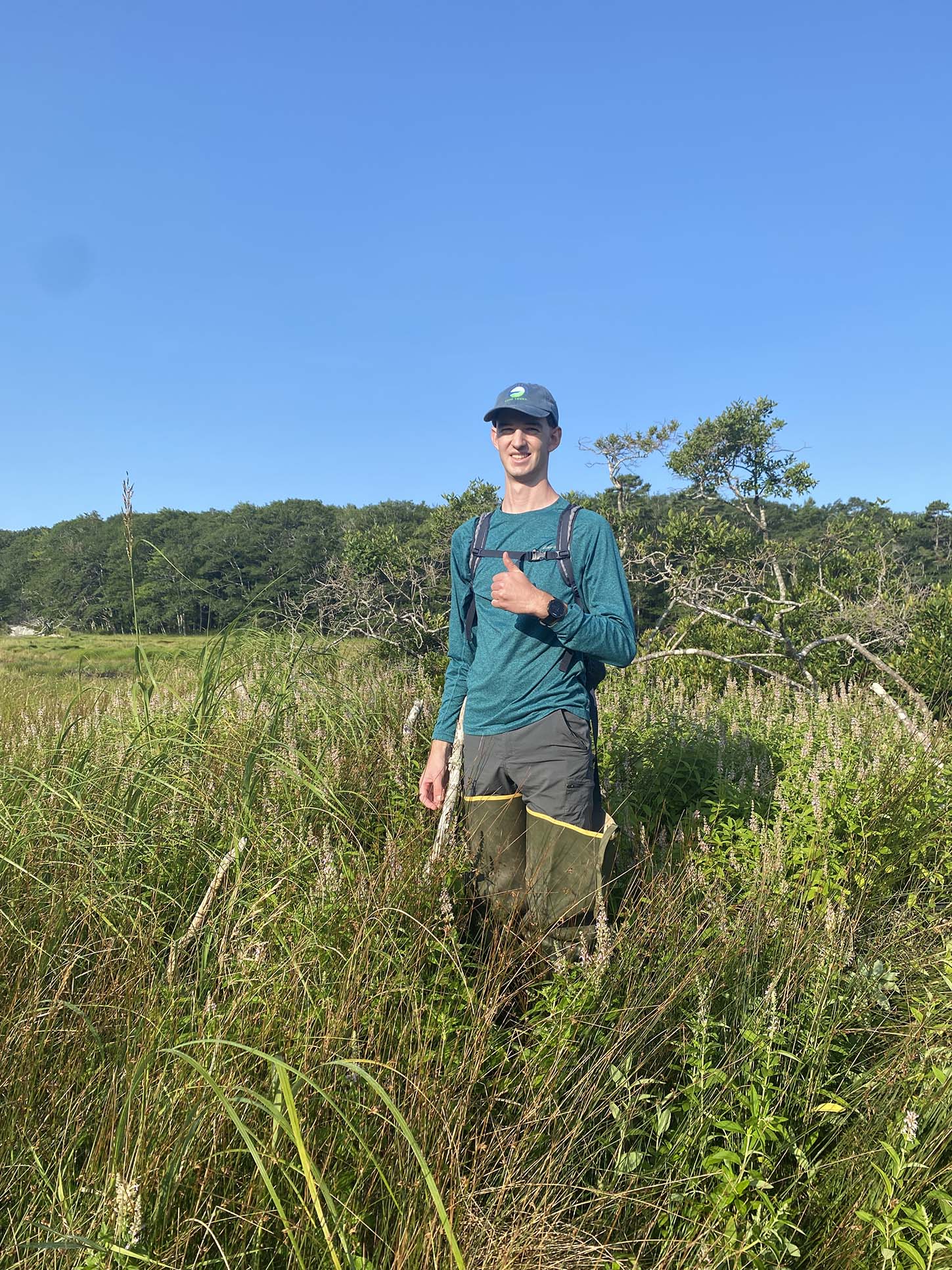
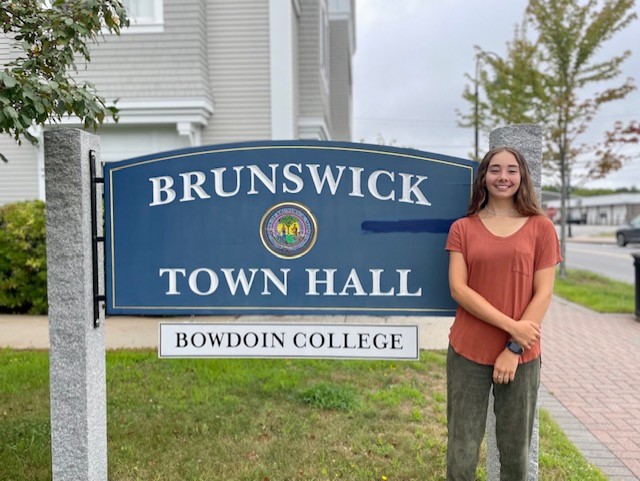
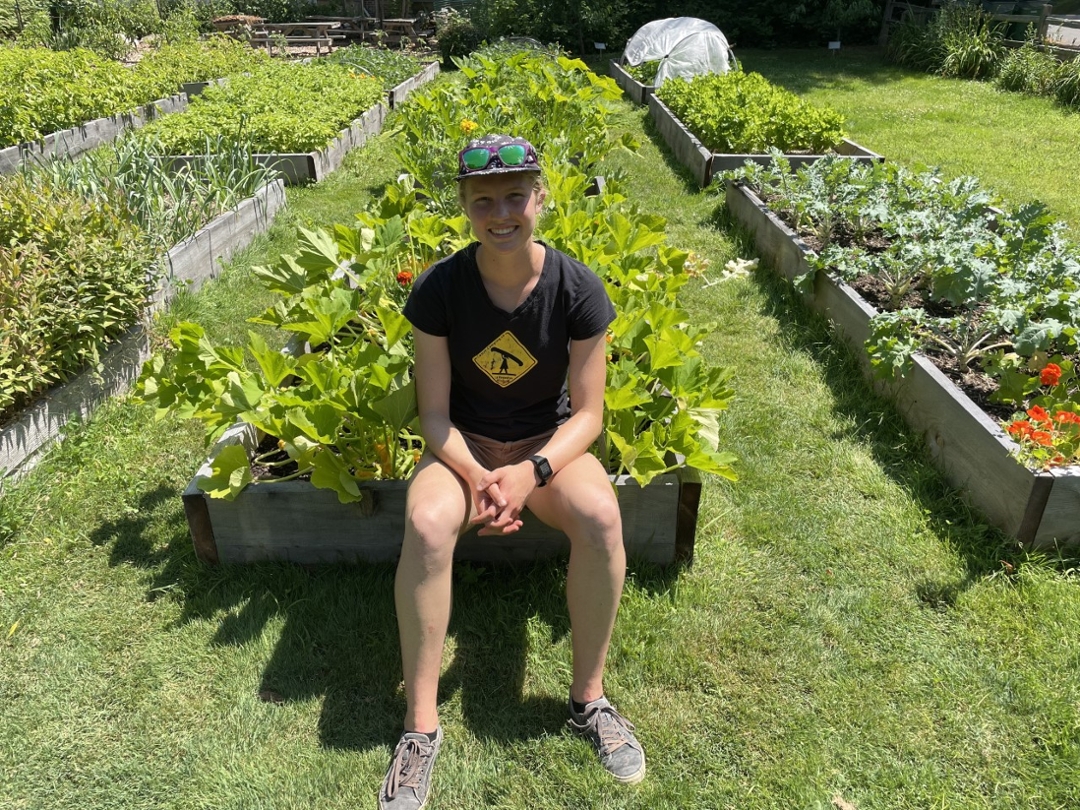 As a fellow with the Kennebec Estuary Land Trust, Emma was involved in many aspects of the organization’s diverse work. She worked with the stewardship team to manage invasive plants, upkeep trails, and delineate property boundaries on KELT’s land. She collaborated with ArtVan to create an environmental education and art workshop for youth in the Bath area. And she spent several weeks developing protocols, creating educational materials, and setting up study sites for a new community science program that will monitor red-backed salamanders on KELT preserves. Emma worked with great people, supported important work, and gained experience that will inform her studies and work going forward.
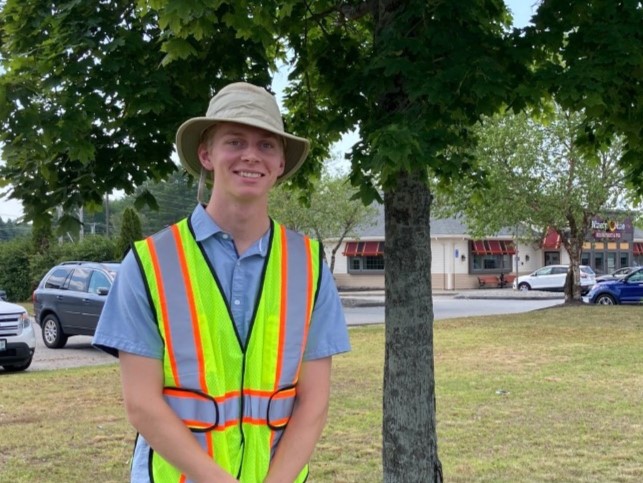 During his time with the Topsham Planning office, Theo was exposed to many facets of municipal government and community planning through conversations across town departments, visiting local organizations, and meeting with town committees and other engaged town residents. His work included researching comparable impact fee policies, habitat mitigation policies, and electric vehicle charger experiences of other municipalities. His major focus was a survey of street trees, which focused on developed areas with limited trees and green space. This resulted in an interactive map of existing street trees and recommendations for street tree and green space plans.
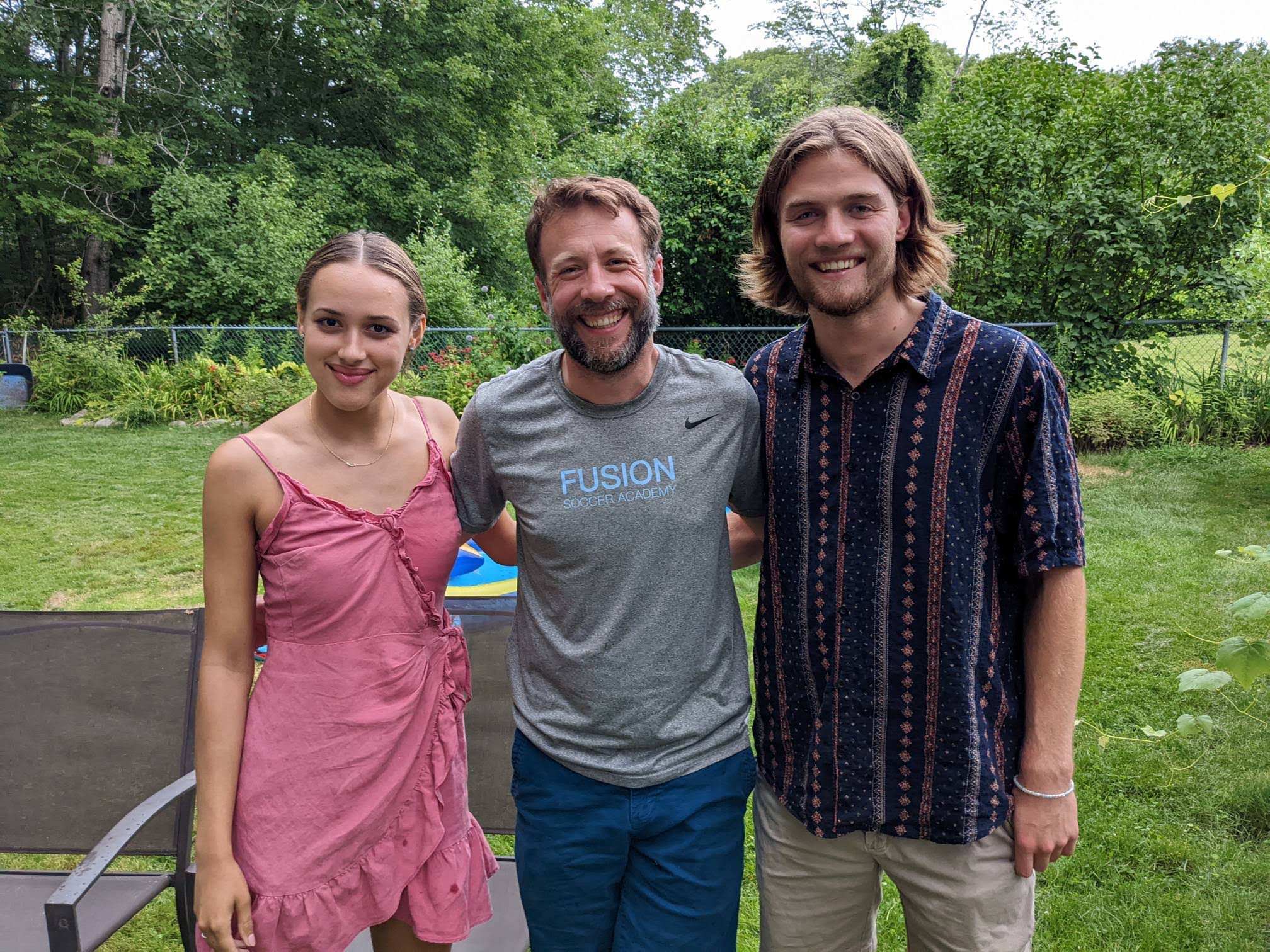 This summer, Angus focused most of his time studying the future of offshore wind development in the Gulf of Maine and how such development will impact Maine’s commercial fishing industry. He researched the effects of electromagnetic field exposure from subsea energy cables on benthic organisms to predict potential impacts of offshore wind development on Maine lobster populations. Angus also prepared a 15-page report for the executive director and board of MCFA regarding current and projected global installed offshore wind capacity. This report helps illustrate where offshore wind infrastructure is currently located, what technologies are being utilized, and what shifts to expect in the industry in the near future.
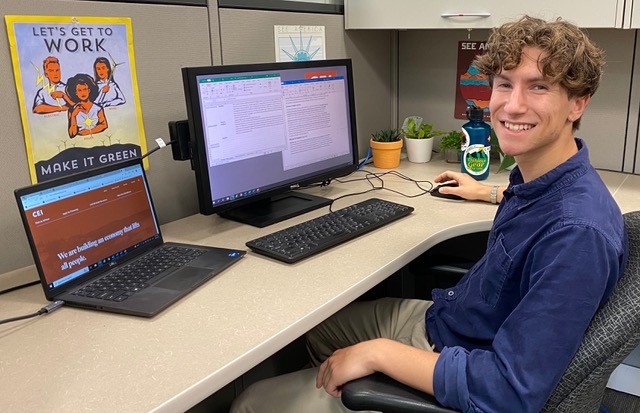 This summer, Leif learned about the role of community finance in supporting a just transition to a green economy while interning at CEI. With the lending team, he explored new ways to assess and incentivize sustainable business practices and grow green industries in rural communities. This included research and conversations on how to support farm borrowers employ regenerative methods to develop healthy soils. With the communications team, Leif developed a guide for communicating about CEI’s environmental and climate work that frames CEI’s role in supporting a just transition to renewable energy and a climate resilient local economy. With this guide, he helped shape grant applications and the new website update. Finally, with the policy team, Leif wrote feedback responding to the climate resiliency section of the notice of proposed rulemaking on the federal Community Reinvestment Act (CRA), originally passed in 1977. The new rule has the potential to direct more investments towards climate resilience in low- and moderate-income communities across the U.S.
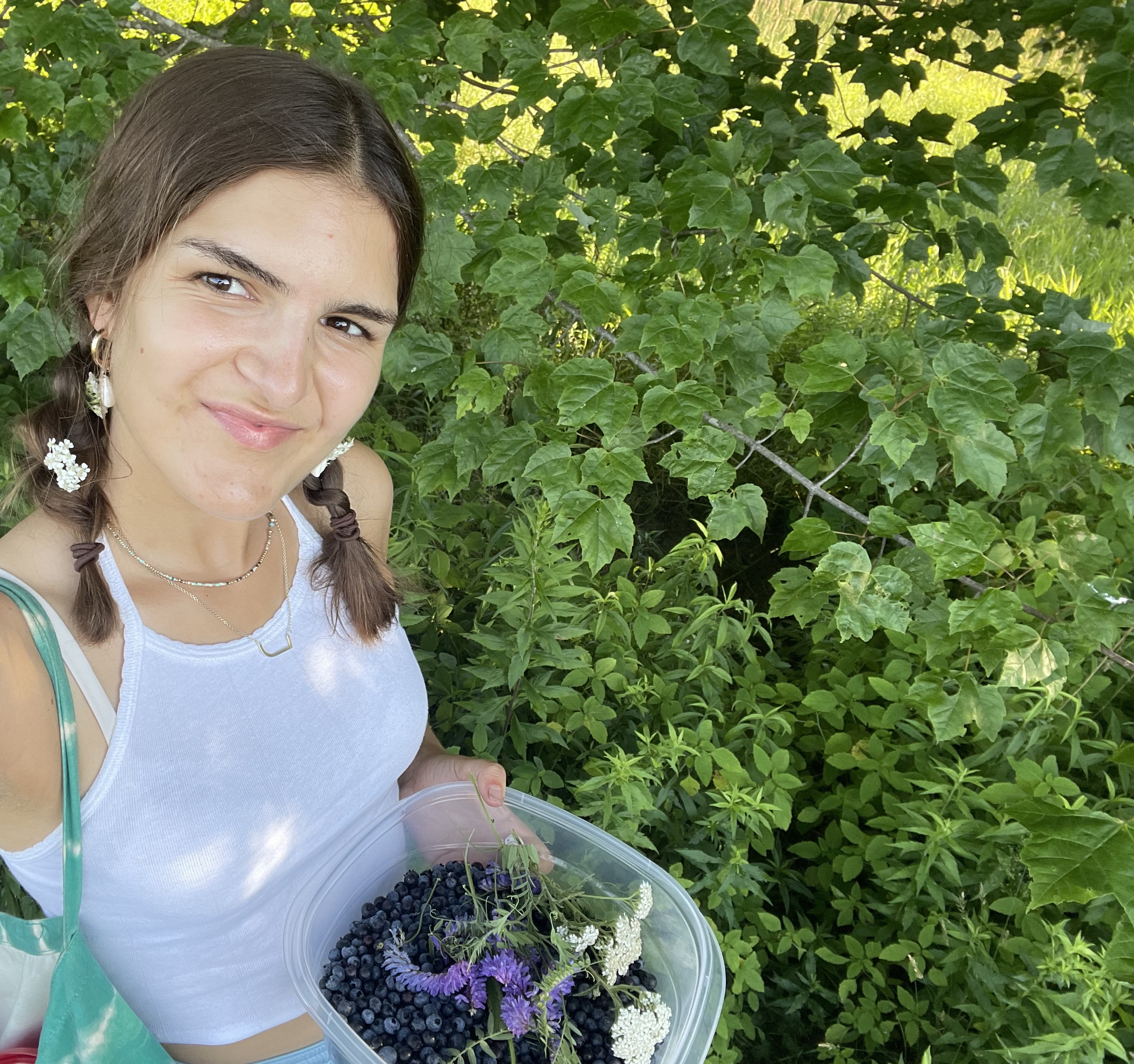 As a summer fellow for Brunswick-Topsham Land Trust (BTLT), Jane supported the Land Trust’s Tom Settlemire Community Garden with numerous projects. This included assisting with work in the New Mainer’s Garden and collaborating to lead volunteer workdays at the Common Good Garden, a section of TSCG cultivated to be donated to MCHPP. She also completed extensive research on orchard management and compiled a maintenance plan for the TSCG orchard of peaches, apples, blueberries and raspberries. Additionally, Jane conducted interviews with many of the over 80 plot holders in the garden, compiling their stories into blog posts to share with the BTLT community. The connections she made at the Land Trust made her feel closer to Brunswick as a community, and advice from the surrounding gardeners allowed her to successfully cultivate her first season of crops in her own plot as a first-time gardener.
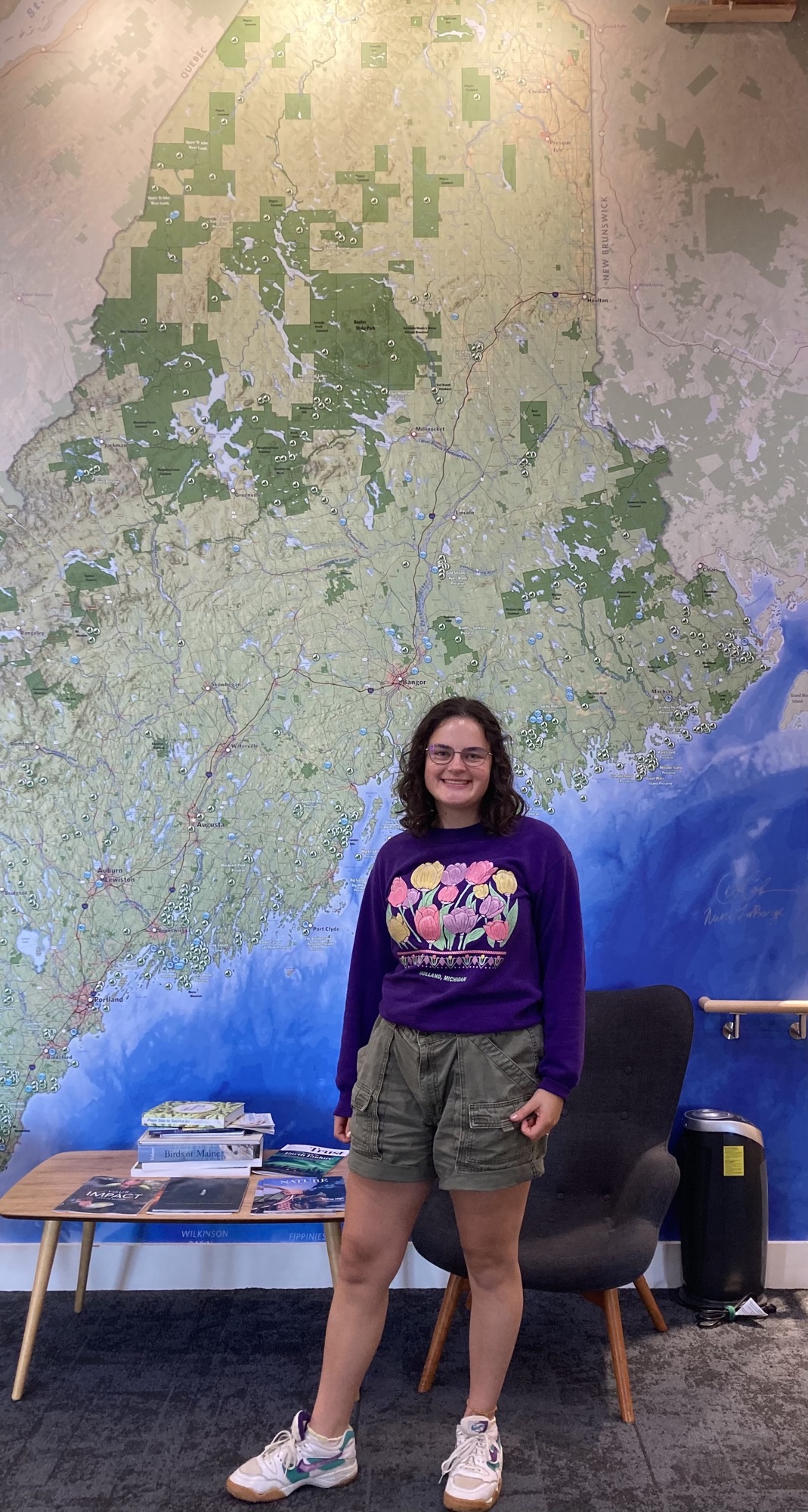 As a fellow for the Nature Conservancy, Audrey read through archaeological archives of TNC’s preserves, conducted legislative research in support of TNC’s policy work, and wrote part of a $20k grant which, if awarded, will help fund TNC’s seasonal staff. In addition to in-office work, she was also able to attend an in-person board meeting (followed by a boat ride at Maine Maritime museum), get out on preserves by participating in volunteer work days, tour the Portland Fish exchange as part of a development event introducing donors to TNC’s fisheries work, and attend a climate conference in Augusta.
 Jill spent this past year working with The Farmlink Project, a student-run nonprofit, whose purpose is to provide humanitarian assistance to farmers and communities in need. Farmlink rescues surplus produce from farms and connects it to food relief organizations across the country. Jill stood as one of the leaders for the Fundraising Team this summer, where she acted more specifically as the Grants Team Lead. Her work helped The Farmlink Project continue its mission to connect farmers with millions of pounds of fresh produce that would otherwise go to waste, feeding people in need, reducing carbon emissions, and building a more sustainable future. This summer, Jill was responsible for overseeing everything fundraising-related and worked toward raising funds needed to support Farmlink’s operations. Mainly, as the Grants Team Lead, her role was to spearhead and oversee the application process to grant opportunities from foundations, corporations, and government agencies, as well as build and maintain relationships with grantmakers and foundation partners.
 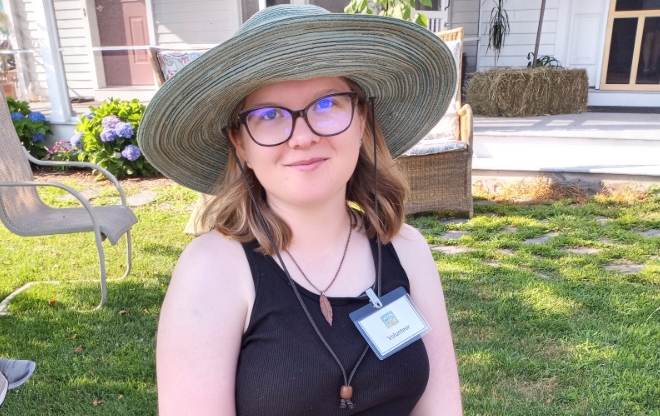 During her summer at Growing to Give, Sophia joined an amazing network of people who are striving to make fresh and healthy produce accessible for everyone in Midcoast Maine. She worked alongside volunteers and staff to care for the crops and soil in accordance with regenerative agricultural practices, from planting seedlings all the way to harvesting and packing ripe vegetables for distribution. As an independent project, she surveyed Growing to Give’s recipient organizations to gather data about their food use and processing abilities, which will help inform future decisions about what produce to grow and where to send it in order to best serve the community’s needs.
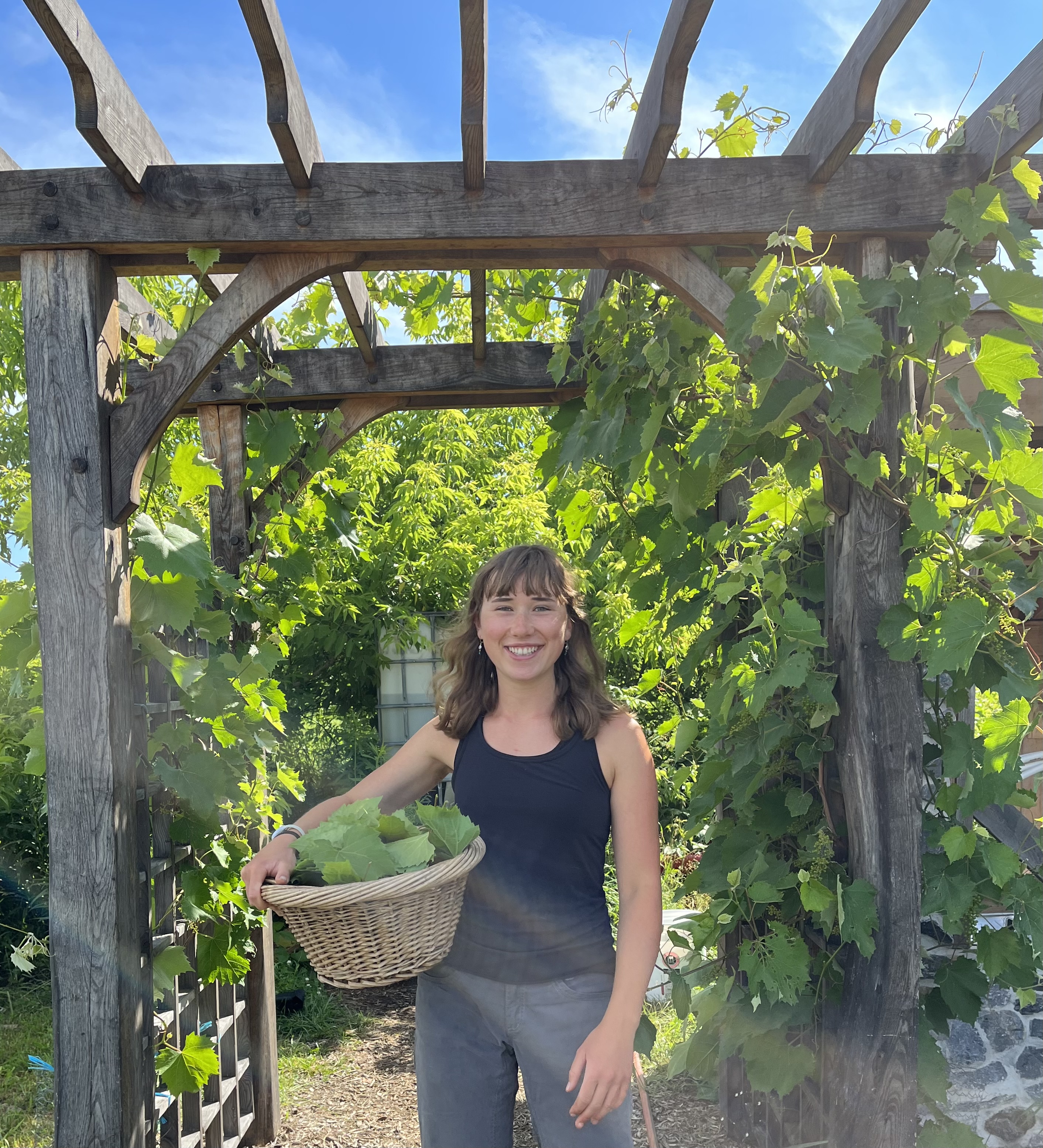 As a summer intern at Unadilla Community Farm, an off-grid, nonprofit farm and education center located in West Edmeston, New York, Hayden was immersed in permaculture farming and the operations of a food bank farm. She worked alongside a wonderful team of fellow interns and staff to grow vibrant organic produce to be distributed to food banks and directly to the local community through the free and sliding scale veggie box program. In addition to hands-on time in the field, Hayden took classes taught by Unadilla staff and guest instructors on topics ranging from permaculture design to fundraising to conscious communication.
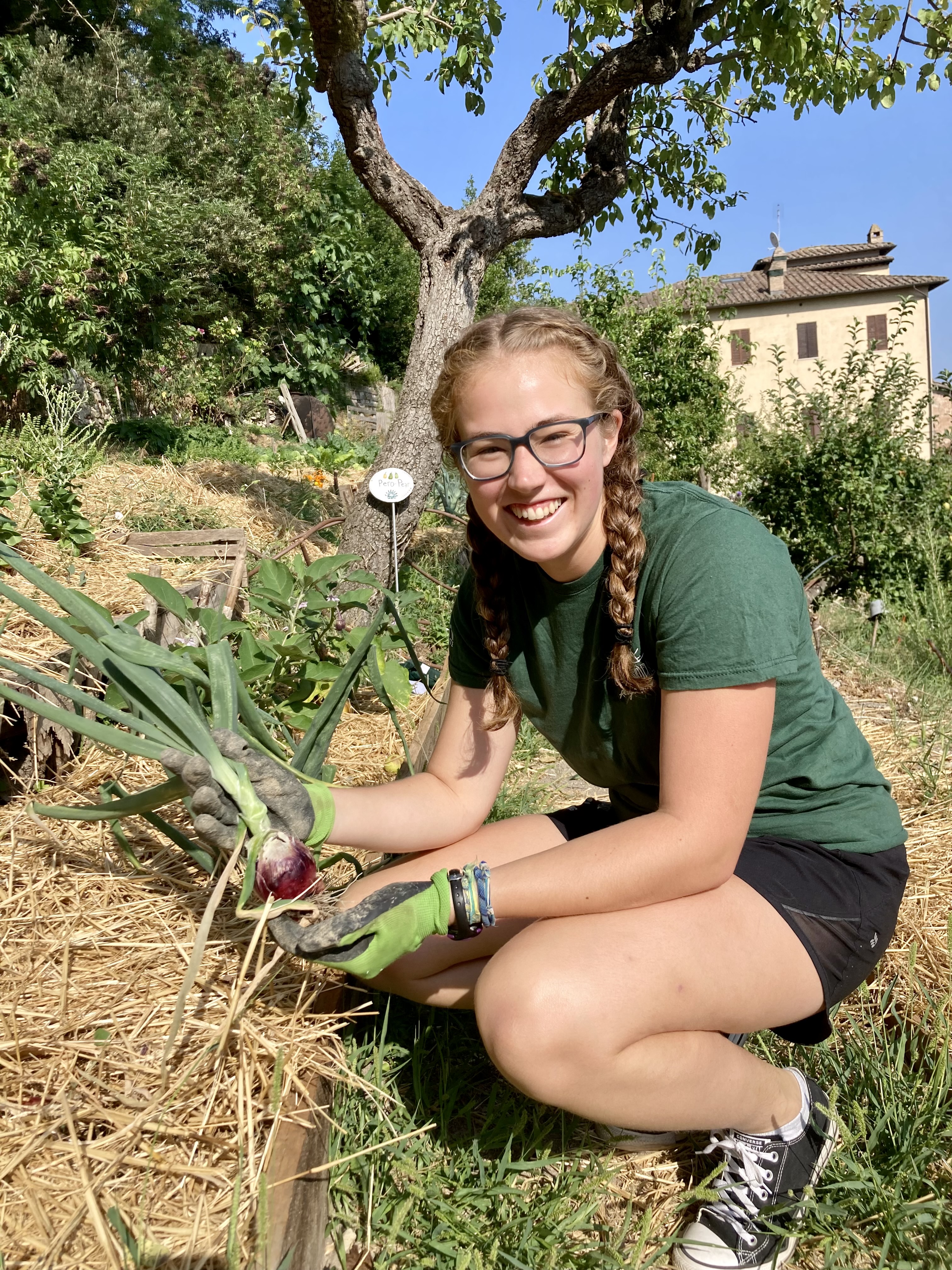 Katie spent the summer as an intern in the small town of Perugia, Italy through The Umbra Institute, an American university in partnership with the University of Perugia. Her mornings were spent in two beautiful community gardens within the historic city center, working alongside community members and a local immigrant organization to physically restore the gardens by building stairs, planting seeds, and growing vegetables such as tomatoes, lettuce, and eggplant. Outside of physical garden work, Katie designed an environmental education curriculum to integrate the local middle school into the Umbra Institute’s garden, Orto Sole. She also wrote an extensive report about community partners and future educational programs, updated an online StoryMap of the space, and planned the garden for the winter and following summer.
 Through her work as a Poppy fellow, Jane worked on a variety of environmental policy projects with the Natural Resources Council of Maine (NRCM). By conducting research on Wyman Station as well as oil power plants that have already been shut down, Jane was able to help NRCM determine the best practices for potentially starting a campaign to close Wyman Station. Jane also did work regarding Maine’s bottle bill by calling bottle redemption centers to inquire about pressing issues they faced and condensing spreadsheets to make this information more accessible. She was involved in several other projects, including working on NRCM’s 50 Champions of Clean Water nomination process, creating a document containing Susan Collins’ environmental voting records on clean energy, and gathering information from comments regarding Wolfden’s potential mining operations in Northern Maine.
 financed emissions. The guidelines set by PACF or the Partnership for Carbon Accounting Financials was used to calculate the financed carbon emissions. Her role was to familiarize herself with the PCAF standards and collect the necessary data from CEI loan databases, PCAF emissions factor databases and external databases as needed. Once this data was collected, she then calculated the total financed carbon emissions for CEI's loan portfolios for the fiscal year 2020.
 plethora of projects. Between helping with conservation easement monitoring or working on an inventory analysis of environmental features within Brunswick, every day brought something new and exciting. She worked largely on the start of a new project: the implementation of a wayfinding system within Brunswick. This involved using GIS to map bicycle routes, and points of interest in Brunswick to help visualize where signage can be improved. She collaborated with the surrounding towns, and the Brunswick Bicycle and Pedestrian Committee with a goal of creating a cohesive and easily accessible community within Maine. This work culminated in a public report and StoryMap suggesting how best to implement new signage within Brunswick to increase economic activity.
 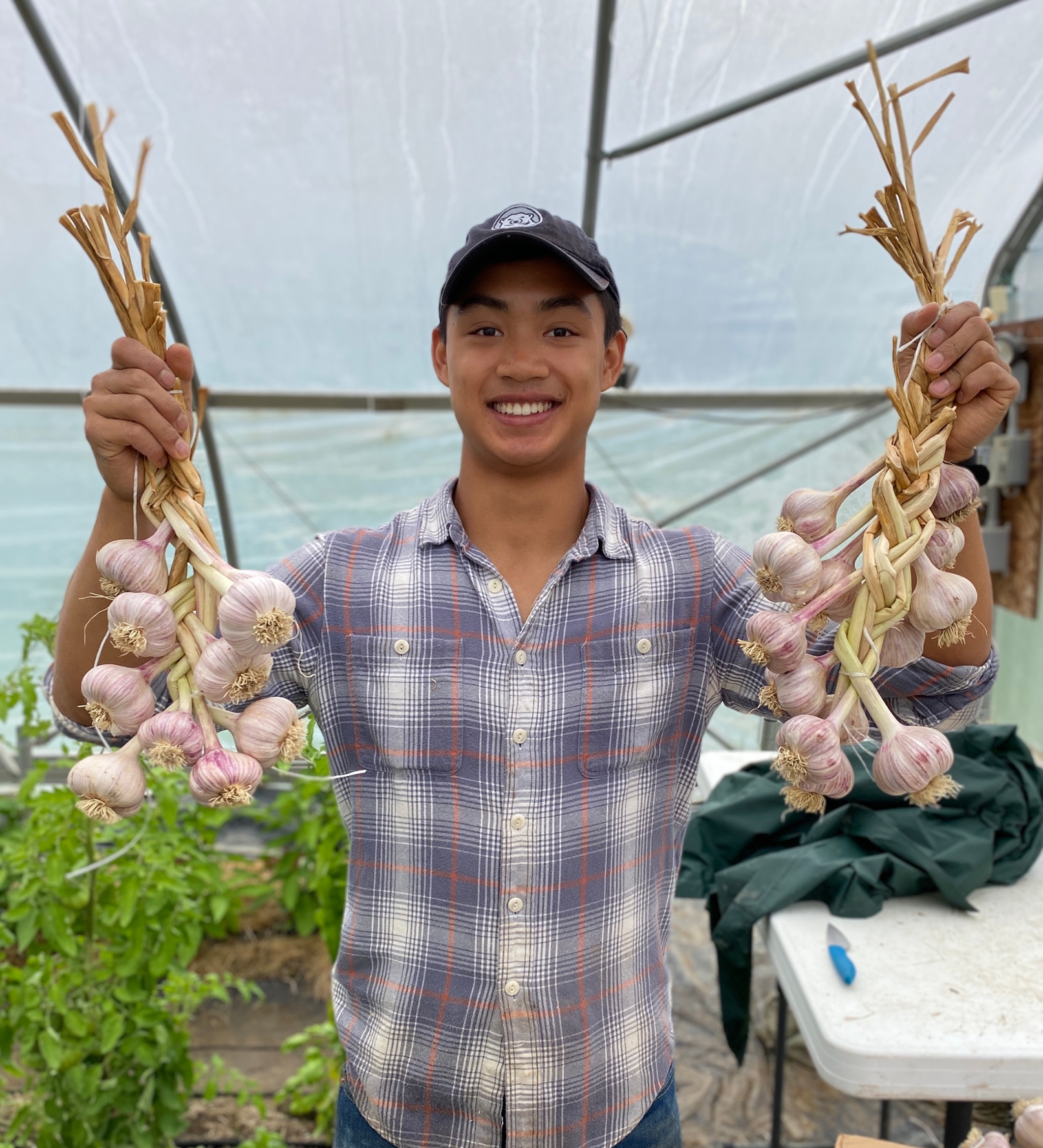 produce for local people facing food insecurity. He learned organic farming practices and worked on a broad range of farm activities: from feeding and caring for goats, to eliminating tomato hookworms, to harvesting beautiful beets. Paul also assisted with a farm-scale research project of his own design, which will increase the yield and productivity of the farm. These projects included but were not limited to biochar application, companion planting, under-cropping, mycorrhizal fungi applications, low-till/ no-till methods, and biological pest control. Paul met lovely people, worked on a beautiful farm, and had a lot of fun.
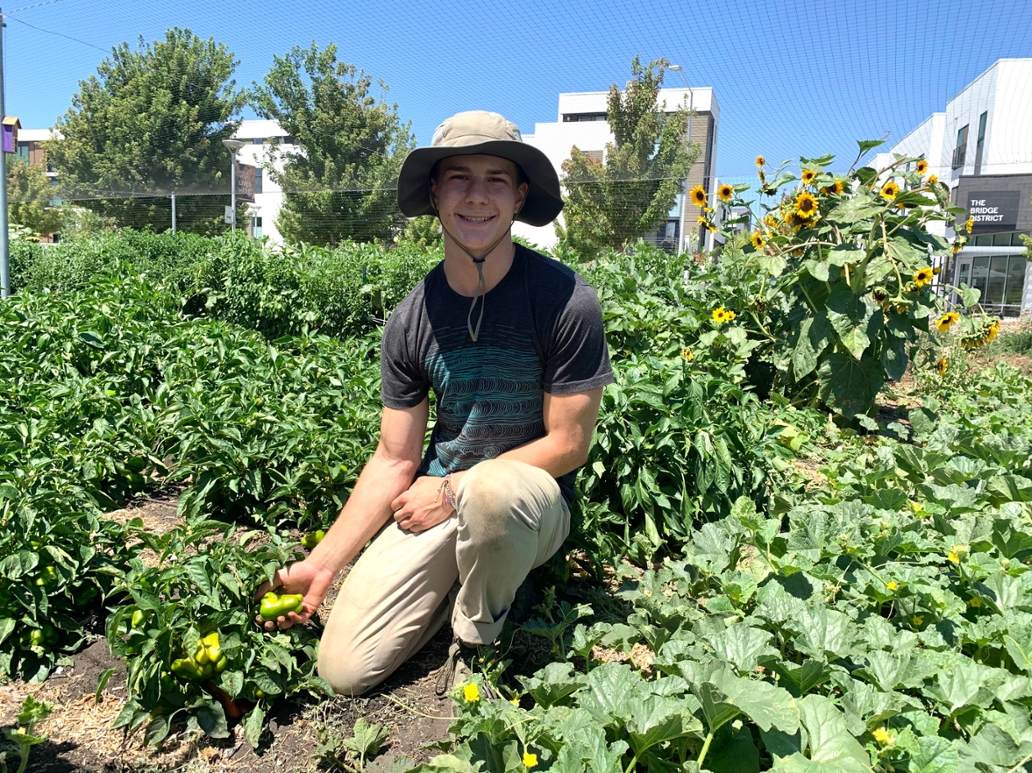 agronomists to create a soil amendment guide for the farm. He also created a weekly Plant to Plate campaign post, involving photography and recipe testing. Finally, Kyle worked on the Mobile Farmer’s Market truck to supply produce to food-insecure residents at local affordable housing complexes. Kyle coupled this experience with working at a second farm, Cloverleaf Farm, supporting their Community Supported Agriculture programs.
 She co-lead the Fundraising Team which raised over $6 million dollars since the organization’s inception one year ago and consists of 25 students. This summer, Maeve, and fellow Bowdoin student Annie Boasberg, focused on designing and implementing an internal education program for their organization. Together, they researched topics related to food justice and racial equity, covering everything from how institutional and systemic racism creates an American food apartheid to how POC (people of color) farmers are reimagining urban agriculture. They disseminated resources and held conversations with people across the organization to provoke thought, discussions and create a more informed, actively anti-racist organization.
  communities from industrial logging. Working with a coalition of leaders from NC communities impacted by wood pellet facilities, she created tools for organizing and outreach, including a series of ‘Postcards from Polluted Places’. Brianna also took on a GIS mapping project incorporating justice and equity concerns into conservation choices by building a socially-conscious prioritization model. She also created a StoryMap supporting Dogwood’s organizing in Georgia and the Gulf South for presentation to legislators and community partners.
 surplus food from farms across the country. She researched and collected sources to share each week under themes that included food justice and food sovereignty, BIPOC farmers and land ownership, queer farmers, and racial health disparities. All resources and ideas were shared in a Slack channel that employees had access to. Employers then shared their perspectives on the resources from that week in the fellows' open houses. Overall, the fellows intended to provoke thought and raise awareness within the organization about food justice to make FarmLink's work more intentional.
 understanding to the present crisis. By researching a national trend banning single-family zoning to preserve affordability, Lola reviewed the effect zoning has on Portland's housing crisis. Lola was able to better understand the benefits of multi-family zoning following interviews with nine local housing, preservation, and planning organizations.
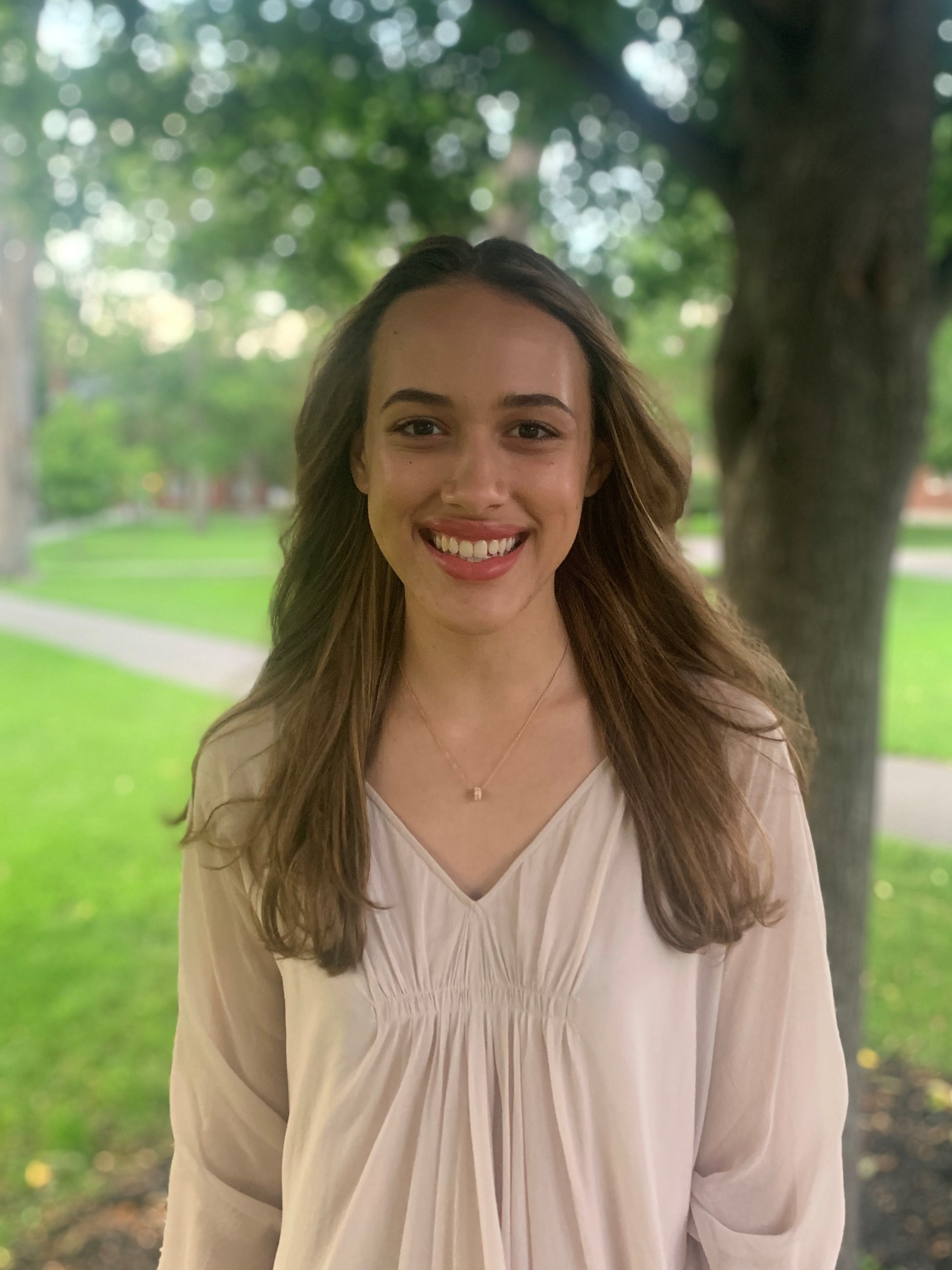 worked with the Freshwater team to write an annotated bibliography for a report on the benefits of river barrier removal to be shared with the European Open Rivers Programme and the European Union’s Directorate General for the Environment as they guide member states on methods they need to meet the 2030 goal for 25,000 newly connected kilometers of rivers in Europe. She was also involved in solar policy research on equity considerations for Maine’s solar development incentives and solar siting policies. Additionally, TNC provided opportunities for Amy to participate in meetings, webinars, and connect with her coworkers on a hike.
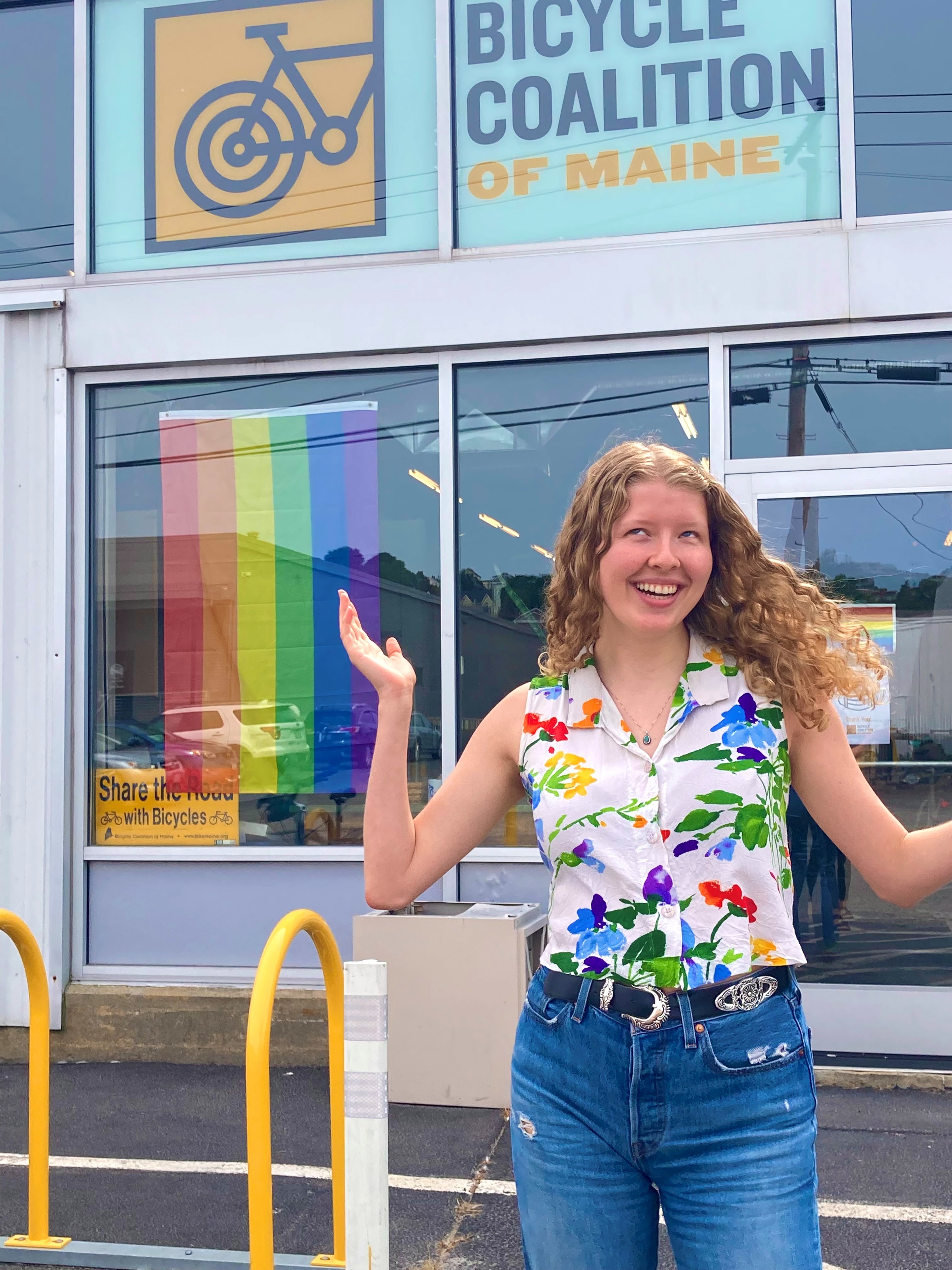 residents of a bikeable community, the equitability of making low-cost transit a practical option, or the power to mitigate climate change through offering transportation alternatives to get cars off the road, Katie connected deeply to BCM's work through the broader issues that she sees need solving in our world. As a passionate climate and social justice advocate, Katie worked on projects that ranged from creating a fact sheet to educate partner organizations on how biking, walking, and public transit are low/no carbon transportation options with the potential to mitigate climate change, to developing an independent research project to investigate how bike lanes and improved sidewalks can parallel gentrification. Finally, some of Katie's favorite work was participating in the hands-on, grassroots Imagine People Here (IPH) infrastructure projects within which driven residents from all over the state seek support from the BCM to install traffic-calming infrastructure.

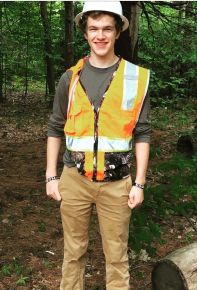 Topsham for the consulting firm Stantec. The Topsham office focuses on environmental sciences and the commissioning of environmental projects, such as wind farms, within communities in Maine and across the country. As part of this role, Stantec performs acoustic bat surveys that monitor the presence of different bat species and the potential for bat fatalities at proposed wind farm locations.
 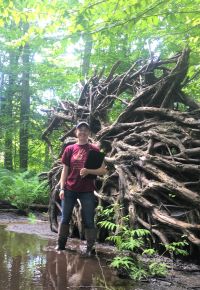 integrate the interests of its stakeholders to sustain Brunswick's department, Lauren Hickey (Class of 2020, Environmental Studies and History major), surveyed and mapped erosion in Mare Brook, updated coastal bluff maps for the Shoreline Stabilization Task Force, researched the feasibility of a bike share in the Brunswick-Topsham region, and monitored conservation easements. She even got a chance to present at a televised Conservation Commission meeting!
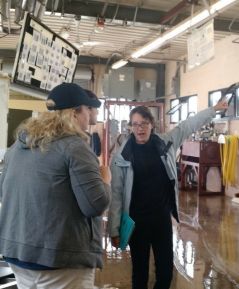 fishermen can be included in our local food systems. She focused on three main projects. The first was to trace Pollock and American Plaice from landing in Maine to people’s plates. We know little about where Maine fish, so integral to the identity of our state, end up. The second project was to look into ways that local farmers can find local fishmeal for fertilizer. The third project is to help other food councils include fishermen in the conversations. Fish are often overlooked in local food movements.
 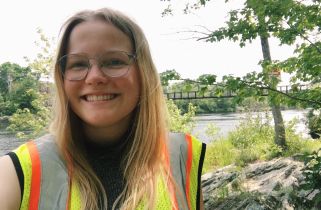 Planning and Development Office assists the Planning Director and Assistant Planner with various projects concerning the future of the town, its residents, and its resources. This year, the focus was primarily on GIS map creation and data collection for the town to utilize in creating their ten-year comprehensive plan. The fellow is based out of the municipal offices in Topsham, but also spends time outdoors conducting surveys or in committee meetings getting to know residents and familiarizing themselves with the processes of local government.
 Studies) spent her summer at the Natural Resources Council of Maine, the state's leading environmental advocacy organization. She worked on a diverse array of projects including legislative initiatives, solar energy constituency mobilization, evaluating congressional contribution data, and drafting advocacy articles. A July NRCM press release and media conference focused on the analysis she conducted of over 192,000 comments submitted on behalf of the Katahdin Woods and Waters National Monument. These experiences gave her insight into how state and federal environmental policy can be crafted to sustainably manage and protect the environment.
 Bay Area's local branch of the Sierra Club, which is the nation’s most powerful environmental grassroots organization. The San Francisco Bay Chapter is especially active and influential, tackling environmental issues through various campaigns. Ally worked on the Community Choice Energy campaign, specifically focusing on educational outreach to promote MCE Clean Energy in Contra Costa County. She also interviewed city council members who voted against MCE to gain insight into why their cities did not join so that the Bay Chapter can more effectively engage with these areas that have not prioritized the environment.
 students to explore internships in the nonprofit sector or in other agencies that pertain specifically to issues of Environmental Justice. This fellowship allows students to accept an internship of their choice rather than one that is assigned. These nonprofits/agencies may focus on the intersection of the environment with race, class, and/or gender, and may be based in Maine or elsewhere. The Environmental Justice Fellowship provides a unique opportunity for students to explore careers pertaining to social justice and environmental studies in a focused, intentional manner.
 Trust's Tom Settlemire Community Garden to research squash pests. Cucumber beetles in particular are a big problem in the community garden and interfere with growing food for the Mid Coast Hunger Prevention Program. Mikayla's research studies whether planting various other crops (buckwheat, radishes, and nasturtium) in close proximity to squash can reduce the damage that cucumber beetles inflict. Although data are still being gathered, the results look promising and ideally this research will help the community garden grow food more easily while also adding some new crops to the mix!
 pursue an independent research project on Maine's food system. Through her independent study last semester that focused on Maine's agricultural history, she was struck by a seeming paradox between the recent proliferation of small, local farms in Maine and ever increasing rates of food insecurity throughout the state. Her summer project sought to ask why this is the case. Why has an increase in local food production in Maine not led to a decrease in hunger, how are individuals and organizations in the state already working to bridge this gap, and what needs to change in Maine's food system for the local food movement to be one that both supports small farmers and the food insecure? To address these questions, Jamie spent the summer conducting interviews with farmers and people employed at various non-profits and organizations that work on issues of local food and food insecurity in Aroostook, Washington and Cumberland counties.
 (Sustainable Ecological Aquaculture Network), which is a federally funded grant program designed to determine the potential for aquaculture development in the state of Maine. As a Bioregional Intern, Hugh created a white paper detailing the demographics, economic characteristics, and state of aquaculture development in the Casco Bay. This segment of Hug's work also required his contact with numerous aquaculture organizations and stakeholders. Hugh also engaged in independent research, using R and ArcGIS to spatially analyze media perceptions of aquaculture in conjunction with the work of other SEANET researchers.
 Annie Glenn (Environmental Studies and Sociology major / History minor) interned at the Merrymeeting Food Council and Access Health in Brunswick, ME. “MFC is a collaborative network of farmers, non-profits, businesses, government, and individuals working together in Maine to advance a thriving, resilient food system throughout the Merrymeeting Bay region.” Annie’s primary project during her 10-week fellowship was to plan the logistics for an “Edible Street,” which will provide free edible produce in planters along streets in downtown Bath and at the Bath Housing Authority. Annie’s work also included working at the Farmer’s Market, gleaning, conducting interviews for the newsletter, grant writing and attending a multitude of fascinating meetings all revolving around different aspects of our food system.
 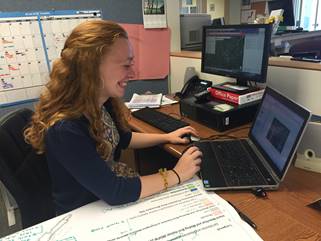 The Town of Brunswick’s Department of Planning and Development is responsible for guiding the growth and changes in Brunswick through comprehensive planning, zoning, development review, design review, natural resource regulations, and other permitting and enforcement responsibilities. As a fellow at the Town of Brunswick, Amanda (Environmental Studies and History major) was immersed in a wide range of planning activities such as Staff Development Review, televised Planning Board meetings, rewriting the Town’s zoning ordinance, interpreting and visualizing ordinances with maps and diagrams, monitoring conservation easements, and preparing maps for zoning purposes. Amanda also had the opportunity to self-direct a project for the Town in partnership with the Master Plan Implementation Committee conducting an updated parking audit of the downtown area and drafting new parking literature for the Town. The Town’s review of parking in Brunswick will continue in partnership with Bowdoin through a Common Good Day project in the fall, surveying visitors to the downtown about their parking habits.
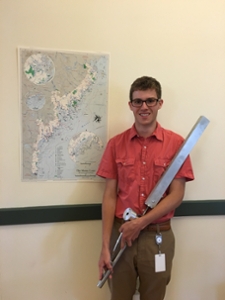 The Maine Coastal Program is a state agency administered by the Maine Department of Agriculture, Conservation and Forestry that distributes funds and manages projects to assess coastal change and the impacts on coastal communities and habitats. Ethan (Environmental Studies and History major) conducted research and investigation into Maine’s coastal salt marshes to prepare for the installation of monitoring devices next year that MCP hopes will provide insight on coastal change. Ethan also drafted a grant proposal to secure funding for essential monitoring equipment. Additionally, Ethan joined the Maine Coastal Mapping Initiative (launched by MCP) as one of their Marine Mammal and Avian Observers.
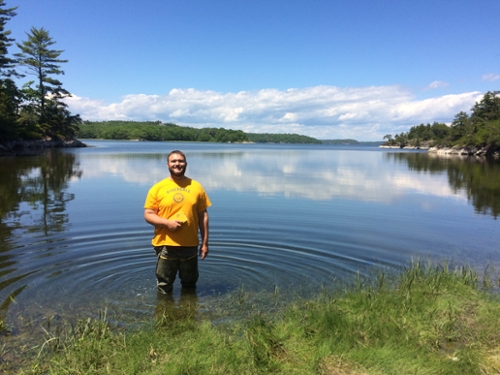 Ben's work at KELT mainly consisted of data collection and data entry for water quality and clam flat research projects as well disseminating that data to local communities. He also assisted with other KELT programs including teaching local youth about clam flats. His focal project for the summer was to research, design, and initiate a plankton characterization experiment for tidal waters over clam flats. He constructed and compiled the necessary materials and drafted protocols to begin testing. He also analyzed the initial data collected. The hope is to expand this project to include community volunteers from around the lower Kennebec.
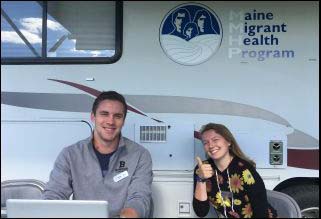
 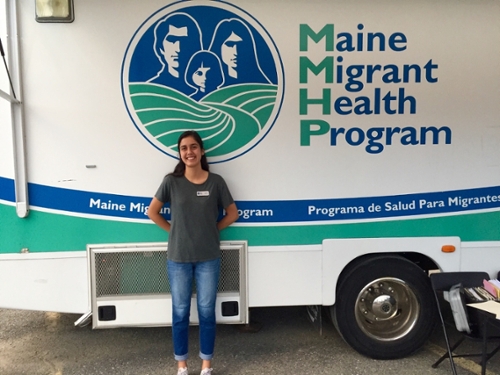 Maine Migrant Health Program (MMHP) is a federally-qualified health center based out of Augusta that provides health care and health services to Maine’s migrant and seasonal farm workers. The organization runs mobile clinics year-round at various agricultural labor camps all throughout the state of Maine. MMHP also has a strong Community Healthy Worker program that serves to ensure that the quality of healthcare they provide is culturally-appropriate. As a fellow at MMHP, April (Psychology and Environment Studies major) staffed many of the mobile clinics as an intake worker, registering patients for 2016 so that they could be seen on the medical unit during the season. Because many of the workers only speak their native-tongue, April served as a Spanish speaker for the program.
 Emma Moesswilde ’18 (Environmental Studies and History major, Teaching minor) spent her summer with Maine Conservation Voters advocating for Maine’s environment. She worked with MCV on their annual Environmental Scorecard release and endorsement slates, two important legislative projects. Emma also conducted research on biomass energy in Maine and wrote for Maine newspapers to raise awareness about climate change. In addition, Emma assisted with political organizing in her home county of Waldo in preparation for the upcoming elections. Emma was privileged to attend the National League of Conservation Voters’ annual Lobby Day, where she participated in an organizing training and met with the Maine congressional delegation about environmental legislation.
  Coastal Enterprises, Inc. is a mission driven lender focusing on economic development in rural Maine and across the United States. As an intern for CEI, Jesse Newton (Mathematics and Environmental Studies) worked in their Natural Resources department researching and developing several projects to increase the productivity, diversity, and resilience of farmers and fisherman. Projects included a pilot study that grew five ethnic, or specialty produce items not currently grown commercially in Maine that target its unsaturated market for locally grown, culturally appropriate produce. He also worked on the early stage construction of a comprehensive climate change toolkit that would help farmers adapt to a changing climate.
 Linnea Patterson (Biology and Environmental Studies major) interned this summer for the Sustainable Agriculture Program of Coastal Enterprises, Inc. CEI, a lender and investor specializing in rural economic development, recently launched a pilot project to supply Maine markets with locally grown ethnic, or specialty, crops. Linnea evaluated the market potential of the produce, designed a marketing plan, and conducted market research in order to establish a foundation for replication in Boston markets. She also developed business counseling tools and an interactive infographic for Maine’s farming community. These resources are pieces of a larger initiative to increase the resilience and decrease the vulnerability of farm businesses in the face of a changing climate.
 The Maine Coast Fisherman’s Association is an industry-based non-profit that identifies and fosters ways to restore the fisheries of the Gulf of Maine and sustain Maine's fishing communities for future generations. As a fellow at MCFA, Stephanie (Environmental Studies and History major) worked on a variety of projects, from updating MCFA’s fishery primer, to helping produce an episode of the Dock Talk podcast, to attending a New England Fisheries Council meeting in Portland, and researching the history and importance of the Portland Fish Exchange. The New England Fisheries Management Council meeting gave Stephanie insight into the way in which fisheries management decisions are made, while site visits to the Portland Fish Exchange and seafood retailers in Portland showed her what happens “behind the scenes” in Maine’s seafood food system.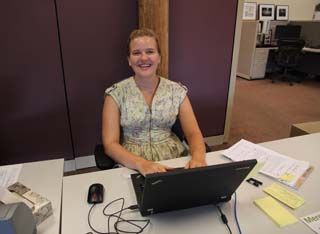
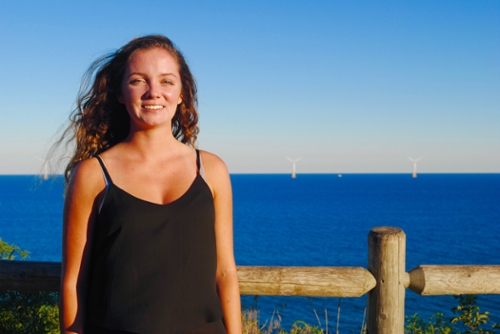 This summer, Shannon Deveney (Environmental Studies and Economics major) interned at the Rhode Island’s chapter of The Nature Conservancy. TNC is a global non-profit that is dedicated to protecting and conserving land and water for current and future generations by engaging the young and inspiring a new generation of conservationists. Over this summer, Shannon has researched one of the growing green energy sectors: wind. She worked to uncover the environmental and economic impacts of historic windmills off the coast of Block Island, Rhode Island. She researched environmental impacts caused by both the construction and use of the wind farm and interviewed a multitude of people and businesses to uncover the economic impacts of this alternative energy. She accumulated the history of realties’ sales in order to decipher the statistical changes in house prices due to this historic operation.
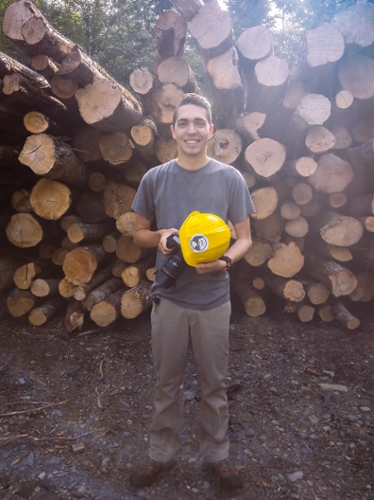 In Maine’s 100-Mile Wilderness region, Garrett English ’16 (Sociology-Environmental Studies) worked as the Maine Woods Initiative documentary photographer with the Appalachian Mountain Club (AMC). AMC’s Maine Woods Initiative (MWI) is an innovative strategy for land conservation that combines recreation, resource protection, sustainable forestry, and community partnerships. With the support of the Cooke Fellowship, Garrett was able to experience life on AMC property, photograph MWI events, and interview people who live, work, or recreate on AMC’s 70,000 acres of conserved land in the North Woods. In the upcoming year, Garrett will continue investigating the role of people in land conservation.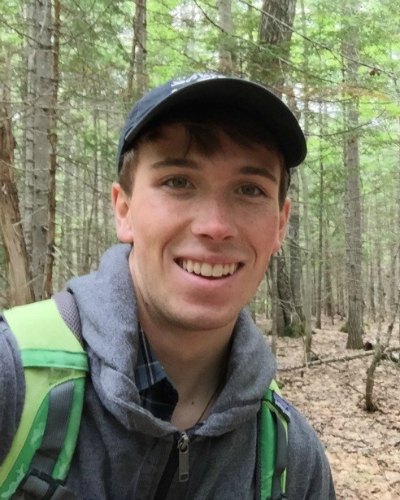
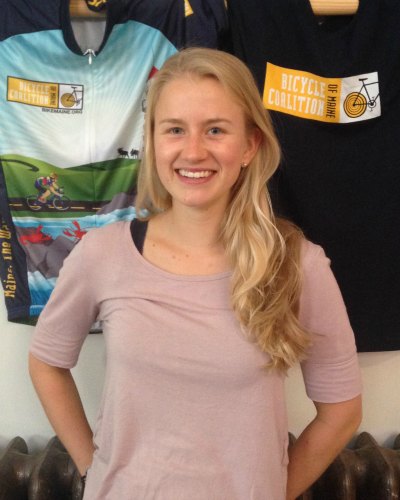 Brooke Goddard - Bicycle Coalition of Maine
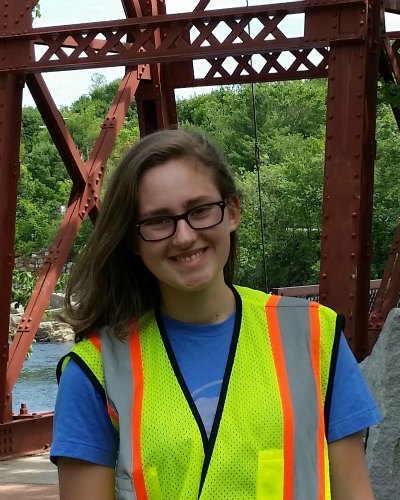
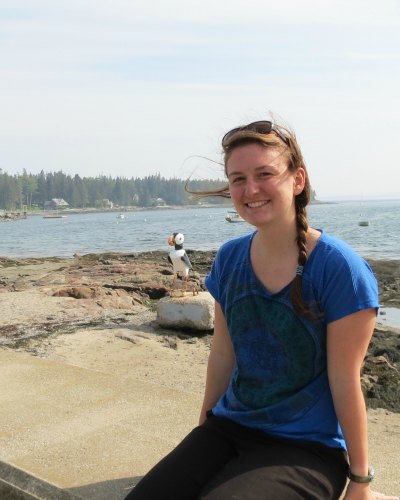
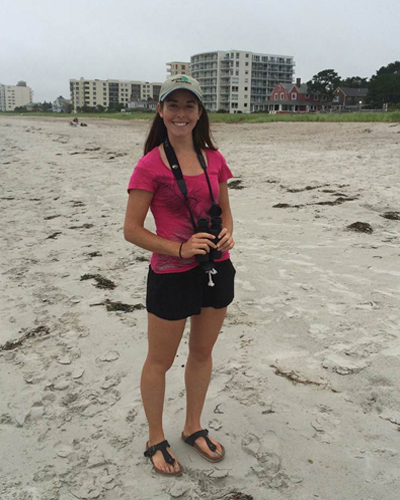 Samantha (Government and Spanish major) interned with Maine Audubon’s Piping Plover Project and learned about the many aspects that go into protecting an endangered species – an incredibly complex and difficult process. Samantha worked alongside biologists in managing about twenty Maine beaches where Piping Plovers nest. The job included surveying, putting up and taking down fencing, and educating the public about the birds. She not only learned the logistics of managing elusive birds, but also effective ways of communicating with and educating a multitude of people.
 Lu Miao - The Nature Conservancy
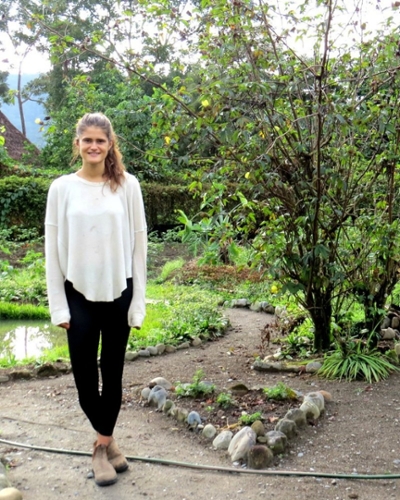 As a Psi Upsilon Sustainability Fellow, Jamie worked with the RUNA Foundation to research and promote sustainable agriculture development among native farmers in the Peruvian Amazon. The RUNA Foundation is a non-profit organization that creates new value for tropical rainforests while simultaneously improving the lively hoods of indigenous farmers. RUNA employs communities to grow guayusa tea in sustainable agroforestry systems-systems that discourage deforestation for monoculture plantations by giving value to native rainforests. They also support the creation of farmer cooperatives to strengthen local decision making processes, providing funds that communities invest in their own development.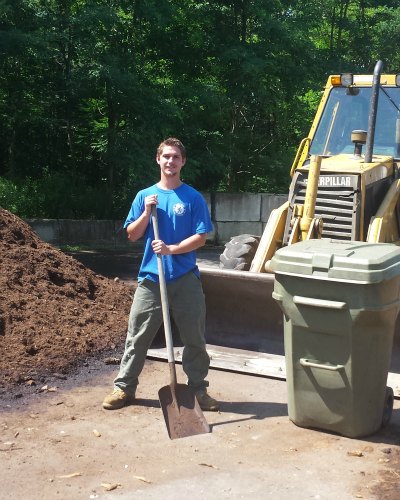
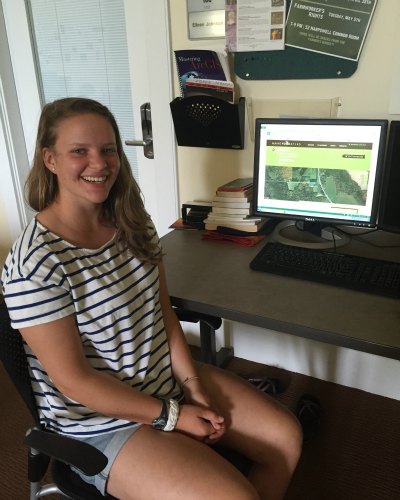 Eliza Huber-Weiss - Cooke Environmental Research
 Dana Bloch - Cooke Environmental Research
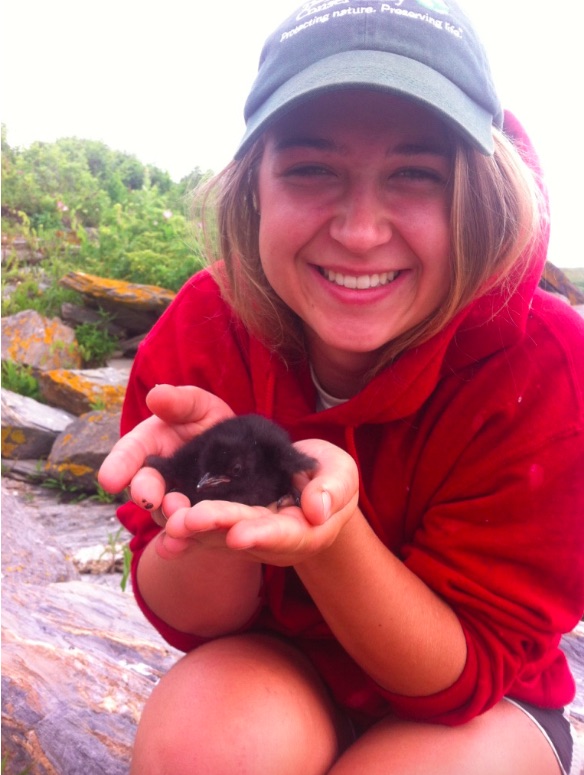 To read more about Marisa's experience with National Audubon, see the
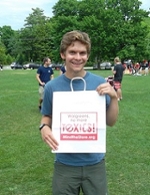
 This summer Madeline Davis '16 (Psychology and Environmental Studies major / Spanish minor) interned at the Environmental Health Strategy Center, a nonprofit grassroots organization dedicated to examining the effects of toxic chemicals on the body and pressuring the chemical industry and retailers to phase out the use of such chemicals in products. The EHSC's 2014 campaign focuses on phthalates (pronounced thal-lates), a plasticising endocrine disrupter found in vinyl and cosmetics that has been linked to reproductive issues, birth defects, asthma, and much more. Currently companies don’t have to disclose if phthalates are in their products, so the EHSC is currently working to change that by fighting for the right to know what products are safe for families. In addition, EHSC has founded a sister organization called Prevent Harm that seeks to change environmental policy by electing responsible and dedicated representatives to office.