Environmental Studies Summer 2026 Fellows
Kappa Psi Upsilon Maine Based Environmental Studies Fellowships
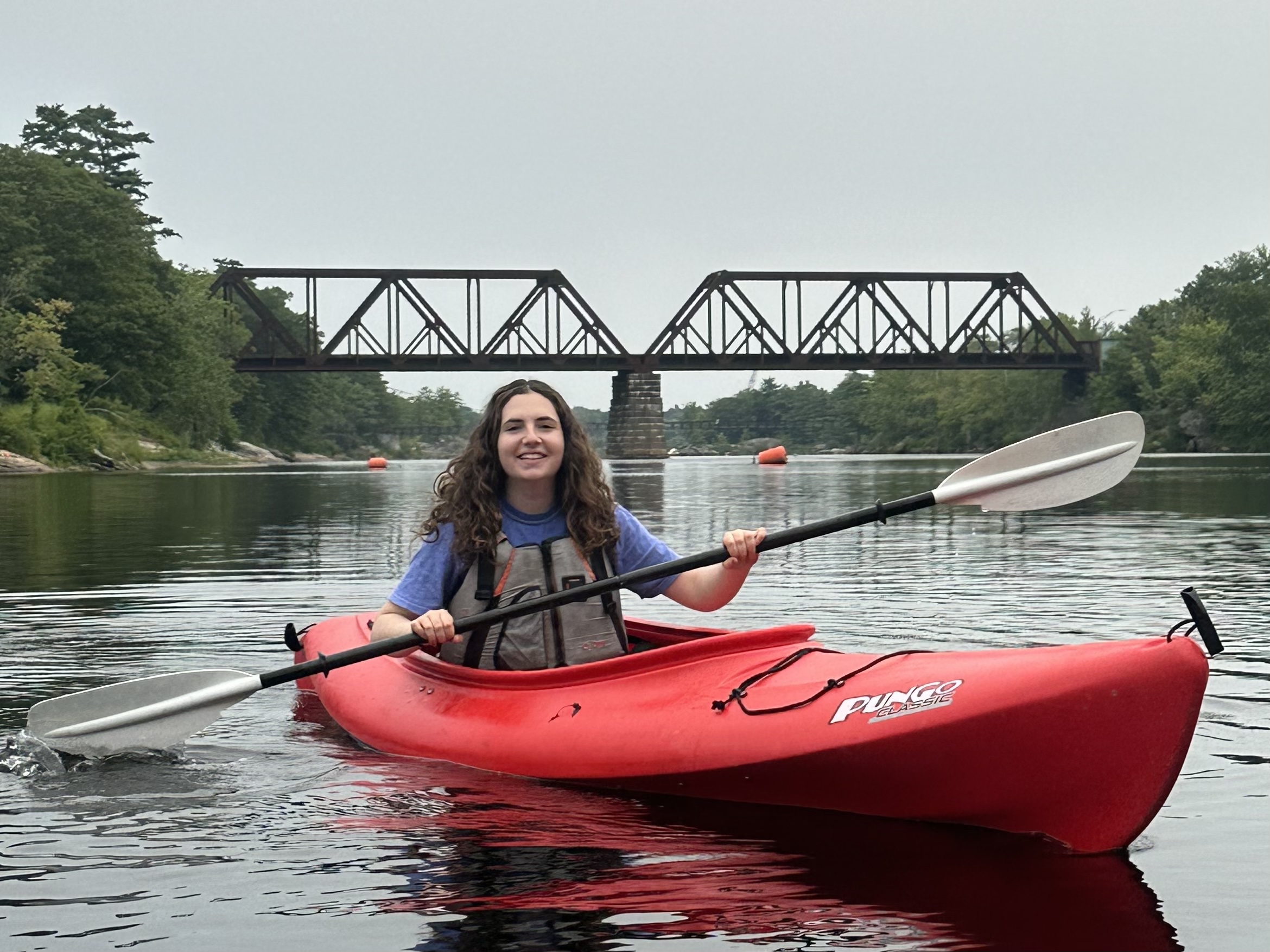
Evan Braude '28 - Free the Andro
Evan worked for Free The Andro this summer, advocating for improved fish passage at the Brunswick Dam while getting to know the Androscoggin on and off the water. She expanded public outreach by creating FTA’s website and coordinating an educational arm of the organization. For this project, she collaborated with educators to envision how interdisciplinary lessons on river restoration will build youth involvement in the coalition. The layered nature of dam relicensing lends itself to a vast array of tasks, so Evan also assisted in writing FTA’s mission statement, arranging logistics for a kayak trip, and connecting with community partners.
“Watching seals and sturgeon jump out of the Androscoggin were definitely highlights of my summer, but my most memorable takeaway was witnessing the endless connections between separate environmental fields. It was inspiring to work for a group that strives not only to connect species to their habitat, but to connect communities to one another. I look forward to continuing my involvement with FTA.”
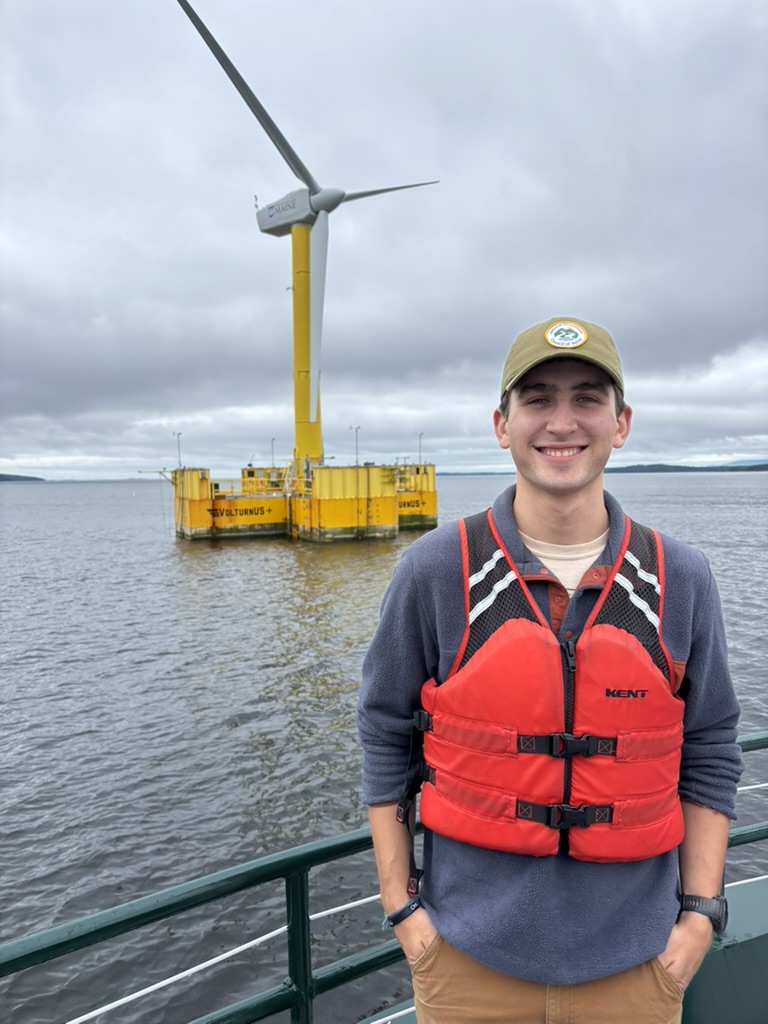
Oliver spent his summer working with the NRCM advocacy team across two of their key issue areas: Climate & Clean Energy and Woods, Waters, & Wildlife. Projects included a story map to promote the successes of the Maine Trails Bond, municipal outreach to build support for a statewide climate superfund, and data analysis of survey responses from EV owners. His major project was an assessment of road salt use in Maine and its contribution to chloride pollution, culminating in a memo that assessed the safety, cost, and environmental impact of several policy alternatives to the status quo.
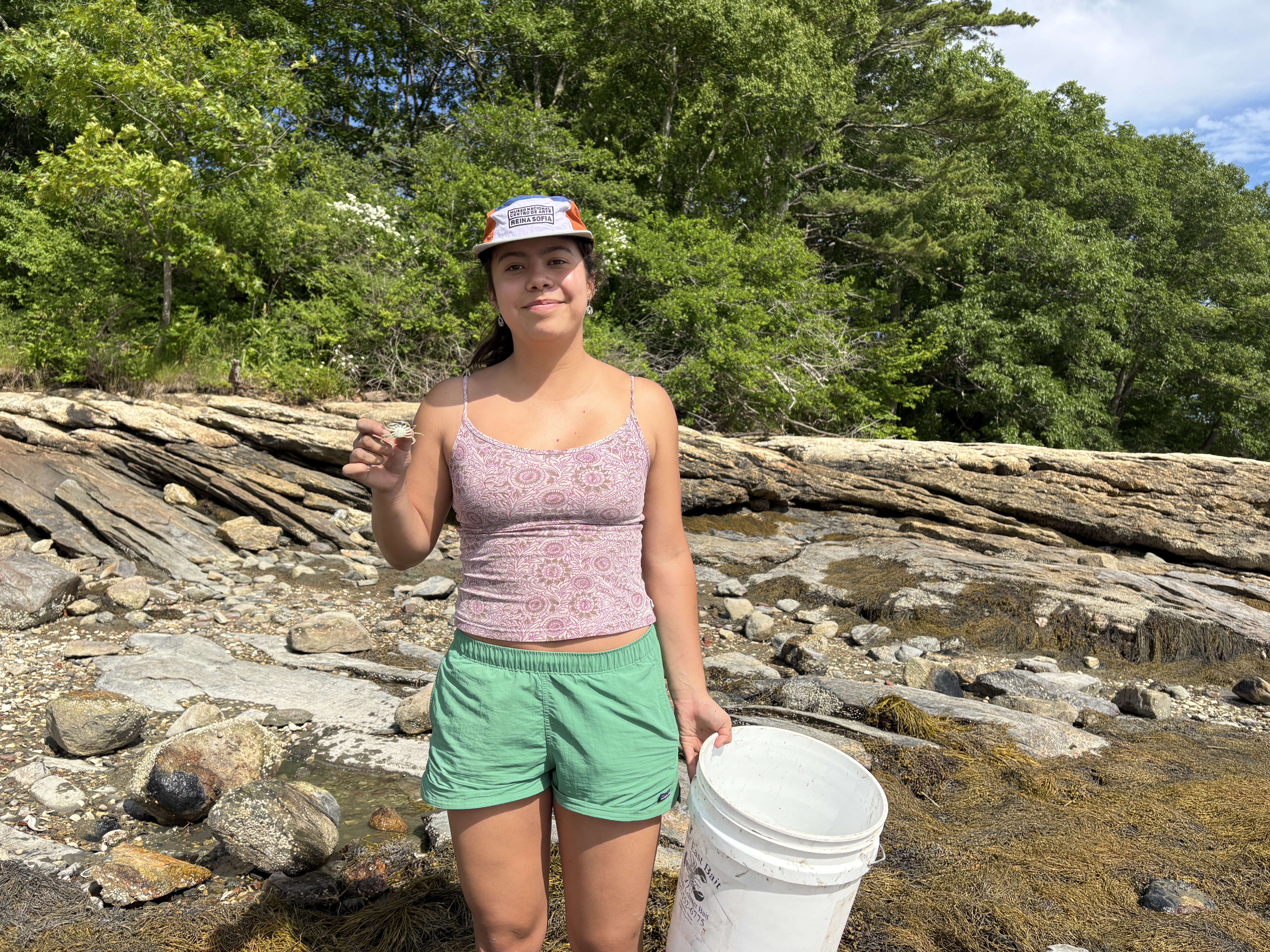
Josefina Cachuela '27 - Manomet for Conservation Science
While working at the Manomet Fisheries Office, Josefina assisted with a variety of projects. Josefina went on various mudflat surveys where she counted the number of soft shelled clams and other species in conservation areas. Later, she did data analysis on our findings which could be used to present to the Georgetown Shellfish Committee. Throughout the summer, Josefina went on weekly blue crab trapping boat trips in New Meadows Lake to monitor the species spread in Maine. She also set green crab traps, then hauled and measured the crabs for a green crab monitoring project. On a biweekly basis, she monitored the degradation of numerous types of biodegradable shellfish netting on the mudflats. Josefina also completed a quahog (hard-shell clam) case study, researching the quahog industry in other states in order to understand the feasibility of a quahog industry in Maine. Lastly, she did a mussel restoration literature review and presented her findings to other members of Manomet to gather ideas for a grant proposal.
"I truly had such an amazing summer working with Manomet! The opportunity to work at a small, mission-driven organization really was inspiring and my supervisor’s passion for conservation was contagious. A lot of my summer was involved working with other community partners in the field which was an amazing way to gain more insight into fisheries and coastal ecosystems in the Gulf of Maine. I gained so much valuable field experience and had the opportunity to work on projects which focused on my interests. When searching for a career post-grad I now know that I want to work for an organization like Manomet!"
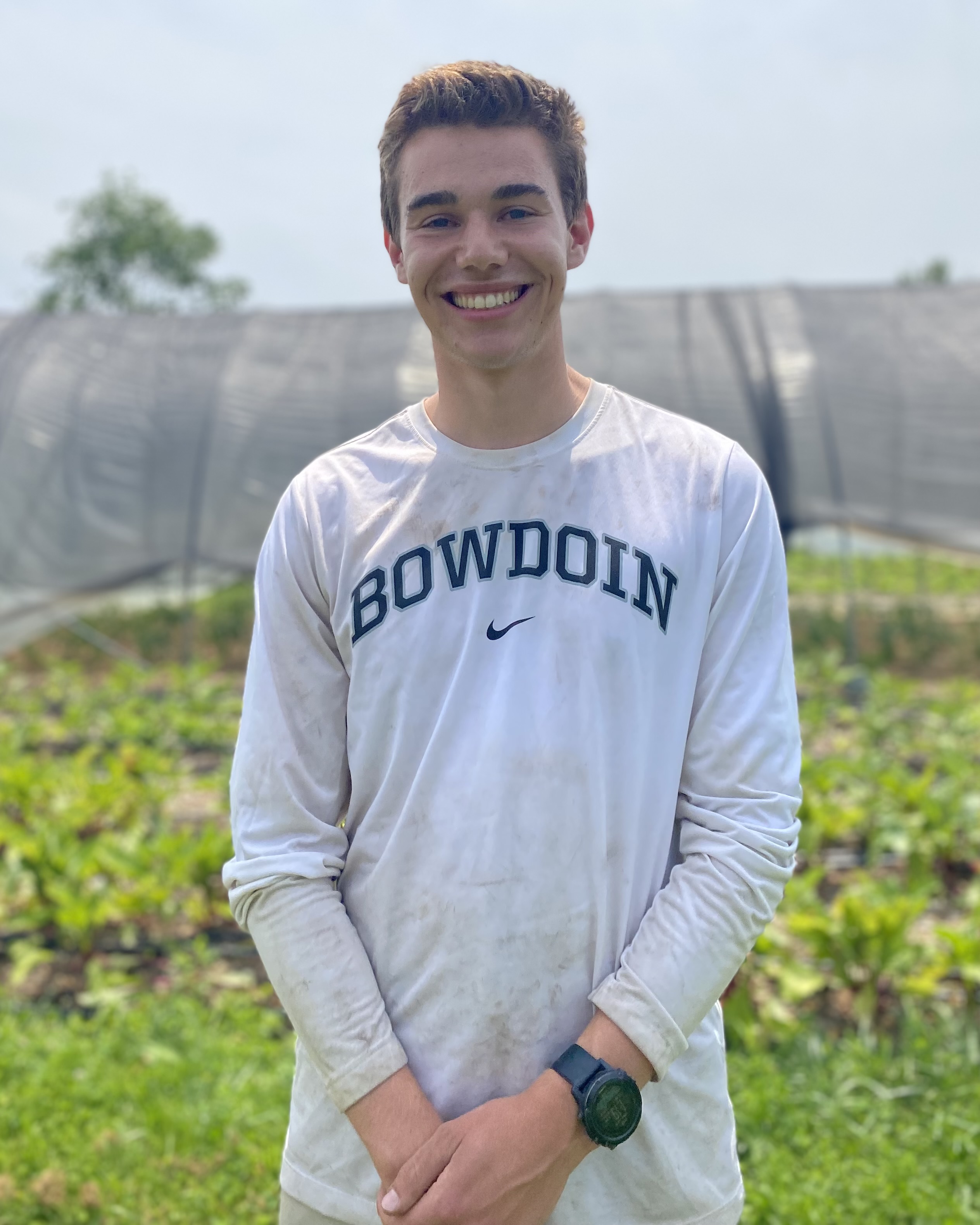
Ari Faulkner '28 - Growing to Give Farm
Ari spent his summer with Growing to Give (G2G) working alongside fellow interns, a small crew of farm staff, and an array of volunteers. He learned to propagate new plants, bed prep, plant, control pests, harvest, and more, exercising regenerative agricultural practices, such as companion planting and cover cropping, throughout. In addition to daily farmwork, Ari also researched and created a curriculum for a 3-week long G2G summer camp. Serving as a farming apprenticeship, the camp will push forward the farm’s goal to teach climate friendly farming while also acting as a profit source.
“At Growing to Give, everyone understood that their hard labor, and the intentionality they put into growing practices and crop choice, led to high quality, organic, and culturally relevant produce landing on people’s plates. I learned that while working in community, we can both grow so much more food and feel better while doing it, spreading joy as we work to combat food insecurity.”

Alexis Martinez '28 - Brunswick Topsham Land Trust
A summer with the Brunswick Topsham Land Trust provides multiple opportunities to connect with and serve the Brunswick, Topsham, and Bowdoin communities while helping preserve and steward the natural world. It engages in agricultural, stewardship, and educational programs, allowing the fellow to engage with all the external work a small local land trust performs. Additionally, there are multiple opportunities to learn how a land trust operates on a financial and administrative scale, providing insight to the larger operation and the decision making that makes external program possible. As a whole, the fellowship with BTLT is an enriching experience professionally, educationally, and personally.
“This fellowship was an opportunity for me to connect with the Brunswick community while learning about the food, agricultural, and ecological systems that are integral to this town and to Maine. I was incredibly lucky to have the chance to witness and experience the support systems present in Brunswick & Topsham, and see them amplified through BTLT.”
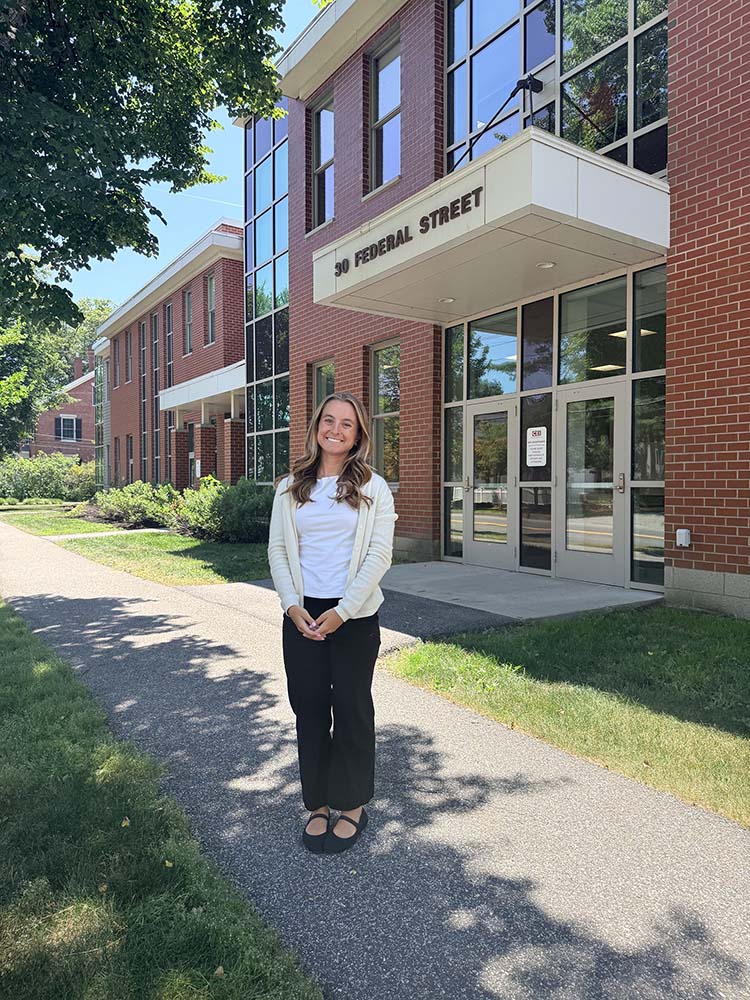
Mara Muse '28 - Environmental Studies Fellow with Coastal Enterprises, Inc. (CEI)
This summer at CEI, Mara worked with the Business Sustainability and Resilience team at CEI to produce a report on integrating climate risk and lending. She synthesized approaches from major global banks and consulting firms, conducted interviews, and produced preliminary recommendations that aligned with CEI’s mission to create a more equitable, vibrant, and climate-resilient economy. In addition to her main project, Mara also created a presentation on greenwashing for CEI’s “Climate Pod,” participated in CEI’s annual day of service, and assisted in various administrative tasks for the team.
"Working with CEI this summer fueled my curiosity about the intersection of climate, policy, and finance. I gained an understanding of nonprofit operations, lending, and climate risk and my project on integrating climate risk into lending sparked my interest in how organizations like CEI can play a key role in creating a more climate-resilient economy. As a Mainer, CEI's impact on local communities was inspiring to witness firsthand. I am so grateful to have worked with CEI!"
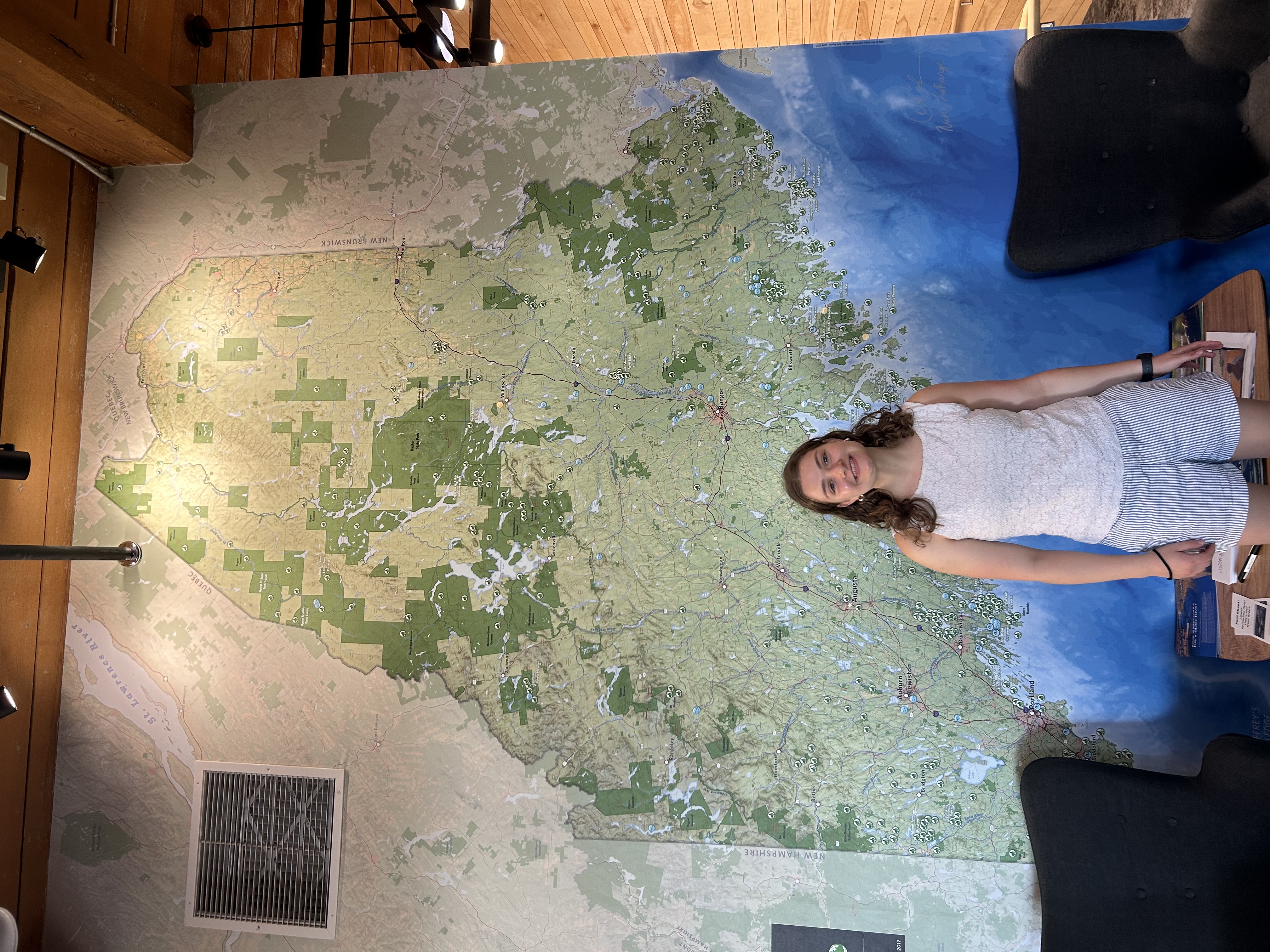
Noa Nasoff '28 - The Nature Conservancy of Maine (TNC)
Noa spent her summer working at The Nature Conservancy (TNC) Maine, taking on a handful of projects for the communications, development, stewardship, and policy teams at the organization. Noa dove into TNC Maine’s history, digitizing decades of archival materials to document the chapter’s founding, including letters to Rachel Carson. She conducted research on the environmental positions of Maine’s 2026 gubernatorial candidates, analyzed neighboring states’ legislation on critical mineral recycling, and tracked solar moratoriums across Maine. Her biggest project was conducting interviews of state, local, and TNC actors to record how Maine environmental policy has shifted in the past decade.
“I am very grateful for the opportunity to work at TNC over the summer. The fellowship helped me pinpoint my career interests as well as develop skills outside of my comfort zone. I was fortunate to work across many departments, and I realized a team is most effective when its members have diverse strengths and backgrounds. I come away from the summer inspired, better understanding that conservation involves not just land and water, but the whole community”
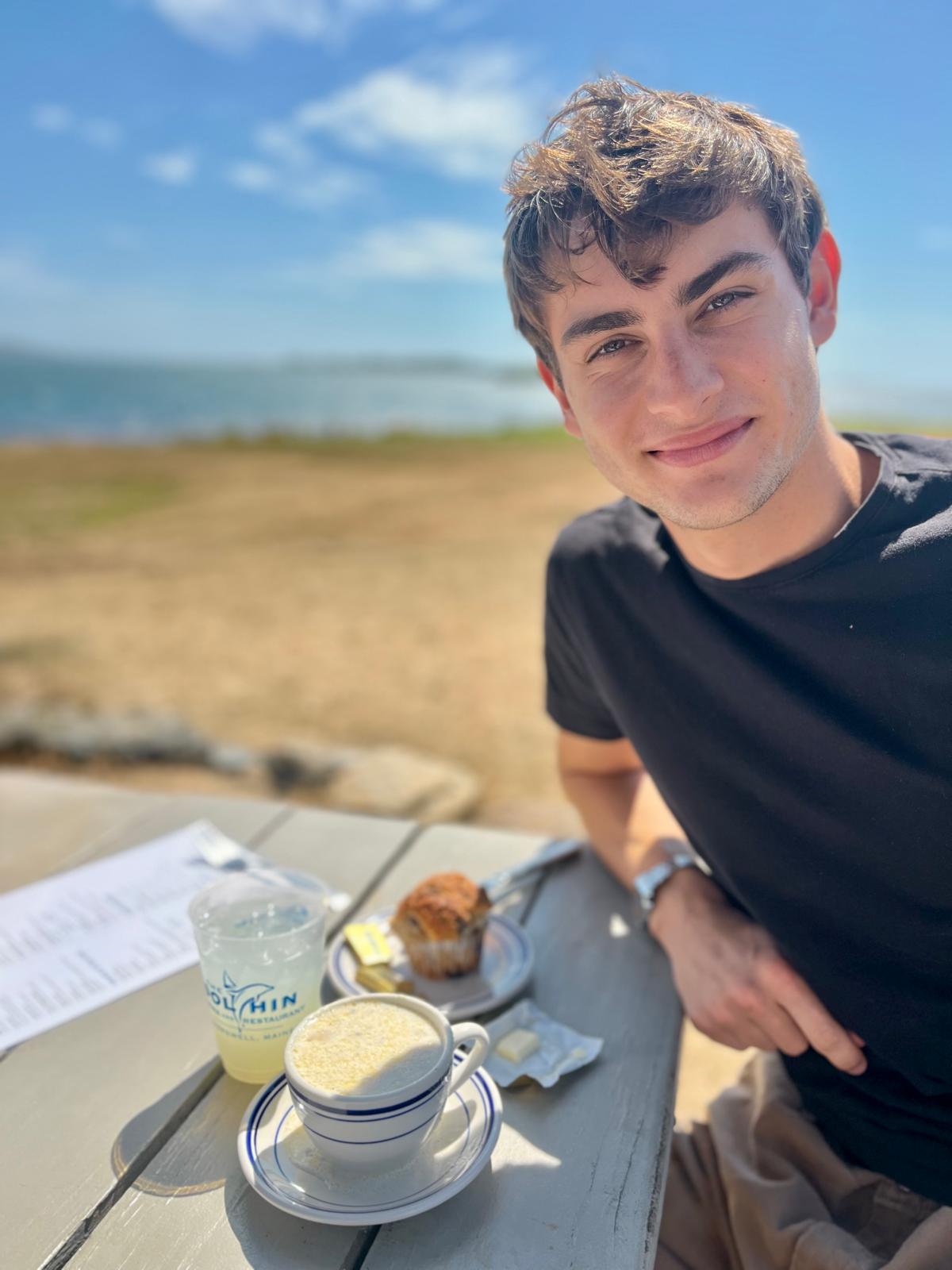
Lorenzo Shields '29 - Maine Coast Fishermen's Association
Lorenzo's summer fellowship with MCFA allowed him to explore the many interconnected aspects of Maine's coastal communities and commercial fisheries. His primary project focused on GIS mapping Maine's working waterfronts, through which he developed a deeper understanding of the commercial, economic, developmental, and political factors that influence Maine's harbors and fishing communities. He also contributed to citizen-science and community outreach projects, giving him a broader perspective on the work we do at MCFA.
Lorenzo approached his work with curiosity and enthusiasm, particularly when it came to learning from commercial fishermen and coastal community members. Coming from Texas, he was especially excited to spend the summer working on the water and immersing himself in Maine's fishing communities. Over the course of his internship, he developed a strong interest in both fisheries conservation and the future of Maine's commercial fishing industry.
"My environmental fellowship with MCFA opened my eyes to thousands of small but important aspects of Maine coastal life, from biological details of individual marine species to commercial, economic, developmental, and political issues of Maine's harbors and port towns, as well as the inner workings of a successful non-profit. Coming from the West Texas desert, I was overjoyed to secure a fellowship working on the water. My primary project GIS-mapping Maine's critical port towns gave me much deeper insight into the workings of Maine's commercial fisheries. But I also got to take a hand in a few citizen-science collaborations as well as community outreach projects. My work this summer, and all the colleagues, commercial fishermen, and community members I learned from, has helped solidify my interest in fisheries - both in terms of conservation and commercial innovation - and helped me narrow down my focus for my major and hopefully future research at Bowdoin."
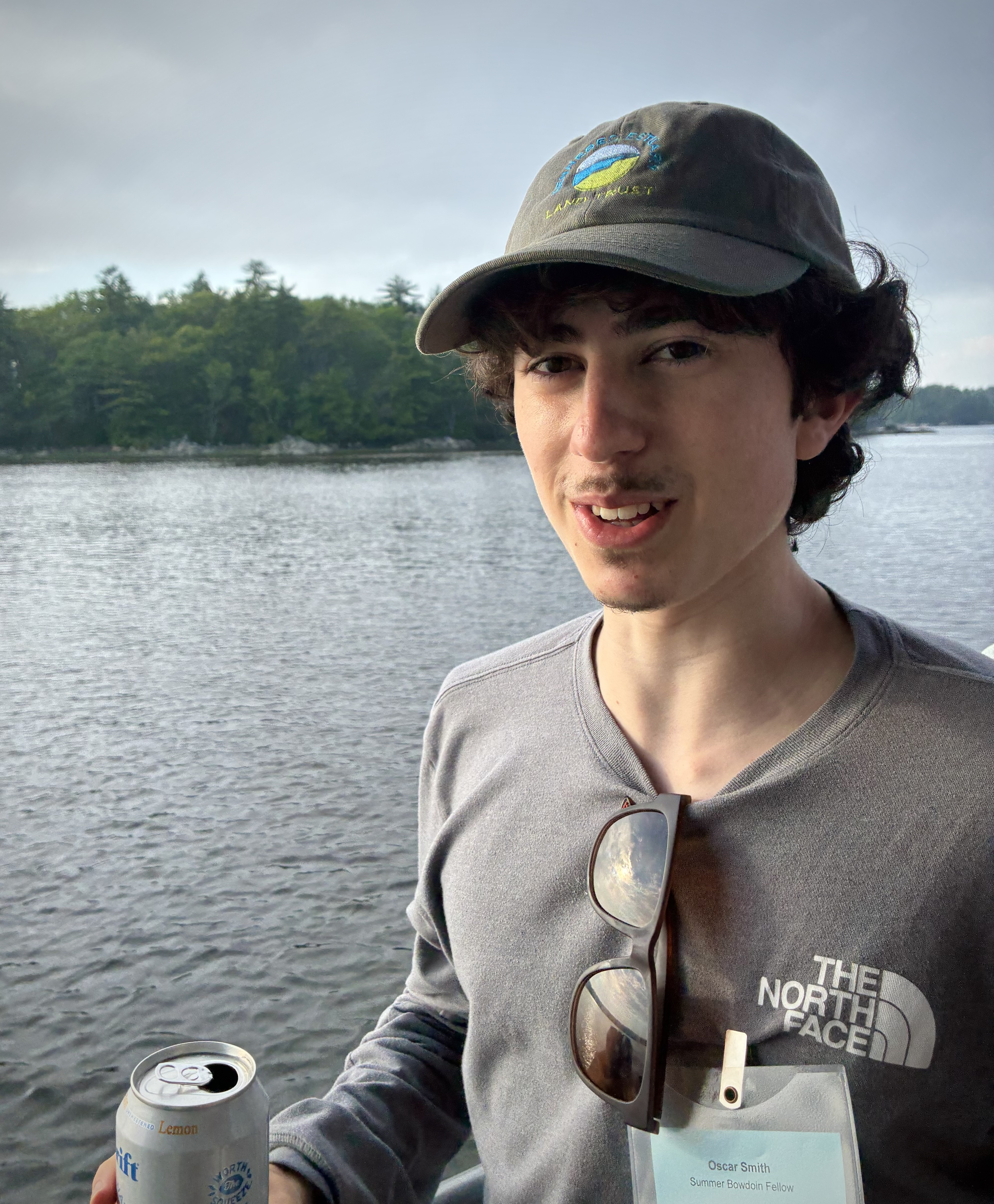
Oscar Smith '29 - Kennebec Estuary Land Trust (KELT)
As a Bowdoin Environmental Studies Fellow, Oscar spent the summer working with the Kennebec Estuary Land Trust (KELT), a nonprofit focused on land conservation, habitat restoration, and community engagement. He worked with several teams, monitoring marshes and culverts, conducting phytoplankton surveys, maintaining the community garden, and building trails. He also helped construct a wooden bridge over a stream and remove invasive plants from conservation properties. During KELT’s nature camp, Oscar led outdoor activities and explored local ecosystems with elementary school students. The fellowship gave him experience in conservation, environmental education, and stewardship while helping him explore his future career interests.
“This summer at KELT has been fulfilling because I’ve had the opportunity to work with different teams each day. From monitoring marshes with the Restoration team, to working in the local garden, building trails with Stewardship, and helping with nature camp, each team has given me a different way to learn about conservation and connect with the Maine environment.”
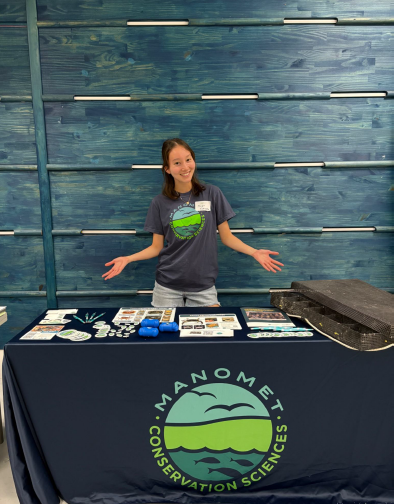
Maya Tokioka '27 - Manomet for Conservation Sciences
While at Manomet Conservation Sciences, Maya helped with fisheries fieldwork and communications for external relations. This included assisting with green crab traps, intertidal surveys, and Green Crab Week. Throughout the summer, she wrote and created content about the fisheries team’s work for Manomet’s social media, webpage, and newsletter. Through this project, Maya developed scientific writing skills and communicated with donors about the organization’s mission and impact. She also planned a high-level donor event and managed the partner organizations’ websites and mailing lists.
“Being a part of Manomet Conservation Science’s external relations and fisheries team gave me a glimpse into the hands-on fieldwork necessary for research and the storytelling that connects with communities and supporters. I got experience in content creation, for both social media and Manomet’s webpage. I especially enjoyed staffing the Green Crab Working Summit and learning about the cross-sector collaborations that goes into developing a market for this invasive species.”
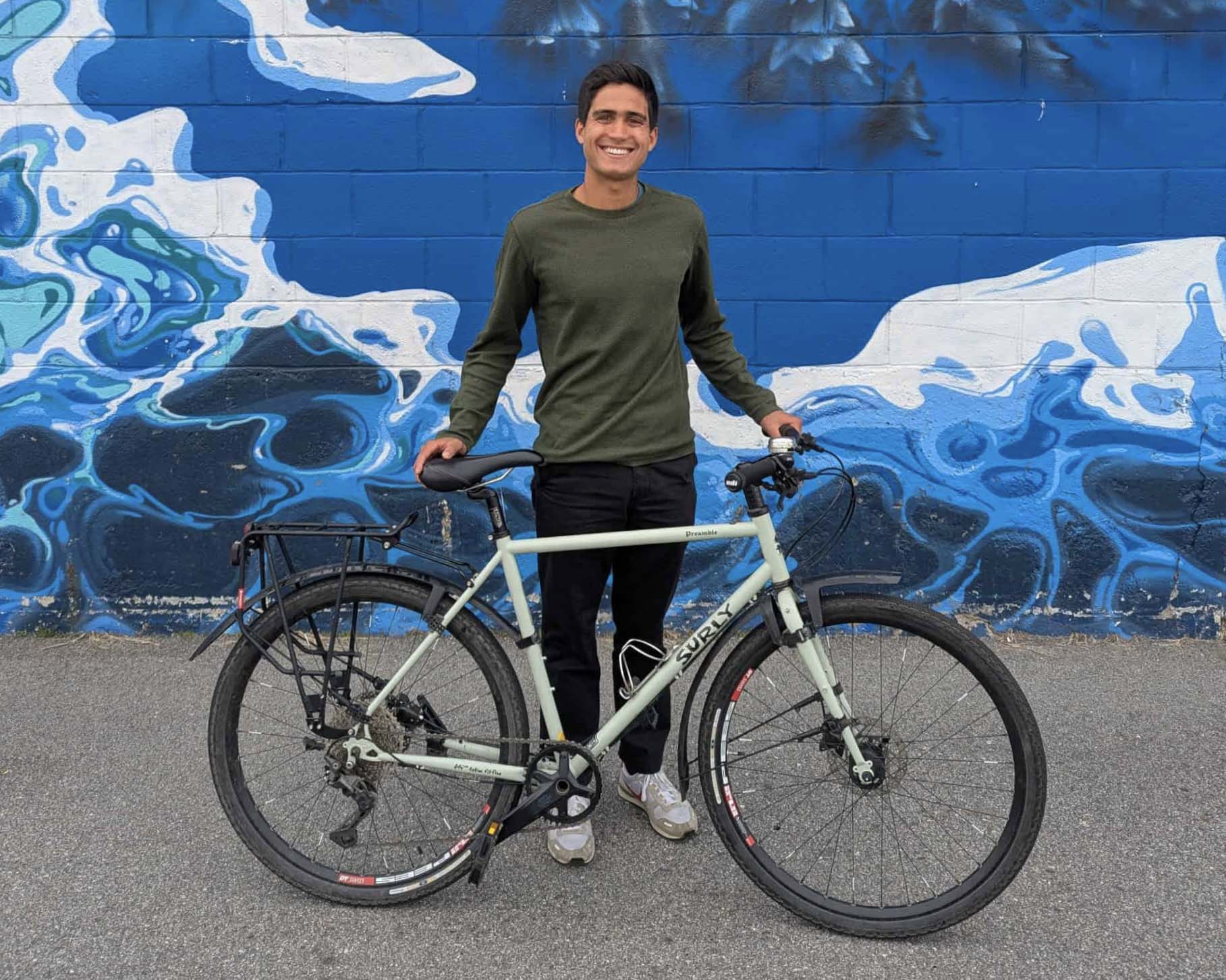
Khalil Wilkinson '28 - Bicycle Coalition of Maine (BCM)
Khalil had the pleasure of spending this summer working for the Bicycle Coalition of Maine, where he worked across a variety of BCM’s work. From hosting educational events for children, to leading e-bike rides for seniors, and helping out with BCM’s annual fundraiser rides, each day provided something different. His main project involved working with a group of high-school students to redesign a street in their neighborhood to make it safer for pedestrians and cyclists by adding crosswalks and narrowing intersections.
“Leading the traffic calming project was such a rewarding experience, because I got to help a group of kids make a positive change in their neighborhood. Seeing their sense of satisfaction when elementary school students told them that they had made crosswalks cool, or when a mom walking by explained to her daughter that now she could walk to school safely in the morning, was something I will not forget. While it was really cool that we were able to complete the traffic calming project, the most rewarding part was helping these students make their vision for their street into a reality.”
Hayes Foundation Fund for the Environment Fellowship
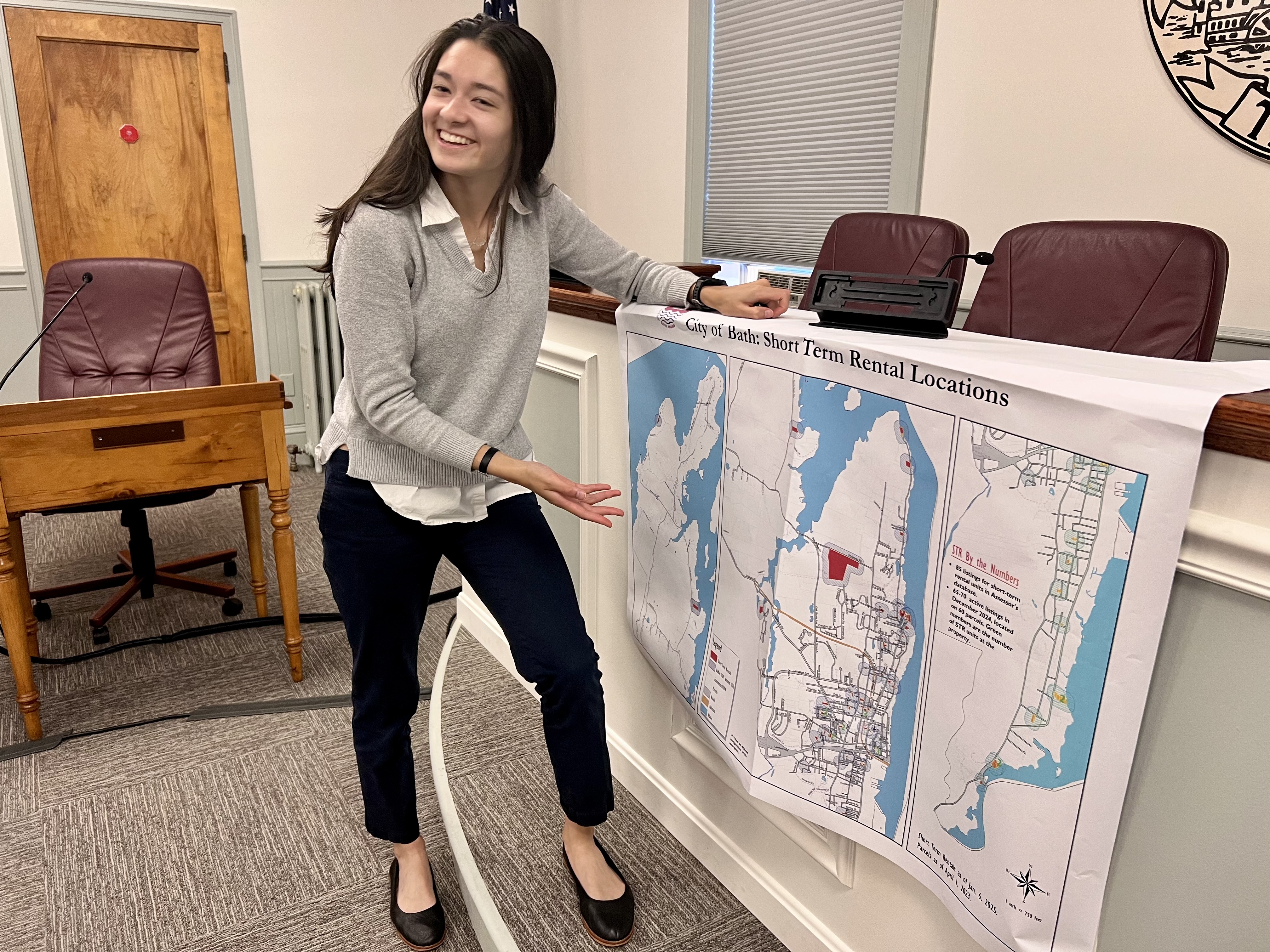
Ellie Saksena '28 - City of Bath
Ellie Saksena’s work this summer focused on Bath housing affordability and flooding liability where she focused on studying the intersection between housing zoning law and flooding. She mapped houses and highlighted properties in the flood zone and properties at risk of damage by flooding in ArcGIS. Additionally, she researched how flooding impacts property values and flood insurance rates– costs which directly impact the affordability of living in Bath, Maine. Exploring the affordability crisis in tandem with the climate's impacts on housing, Ellie also researched short-term rentals and their unique vulnerabilities to climate-related risks, as well as their impact on the affordability of houses on the market.
"My work this summer focused on Bath housing affordability and flooding liability. I focused on studying the intersection between housing zoning law and flooding. I mapped houses and highlighted properties in the flood zone and properties at risk of damage by flooding in ArcGIS. Additionally, I researched how flooding impacts property values and flood insurance rates– costs which directly impact the affordability of living in Bath, Maine. Exploring the affordability crisis in tandem with the climate's impacts on housing, I also researched short-term rentals and their unique vulnerabilities to climate-related risks, as well as their impact on the affordability of houses on the market."
Hayes Foundation Fund for the Environment Research Fellowship
Angelic Nunez '27, mentored by Mary Rogalski
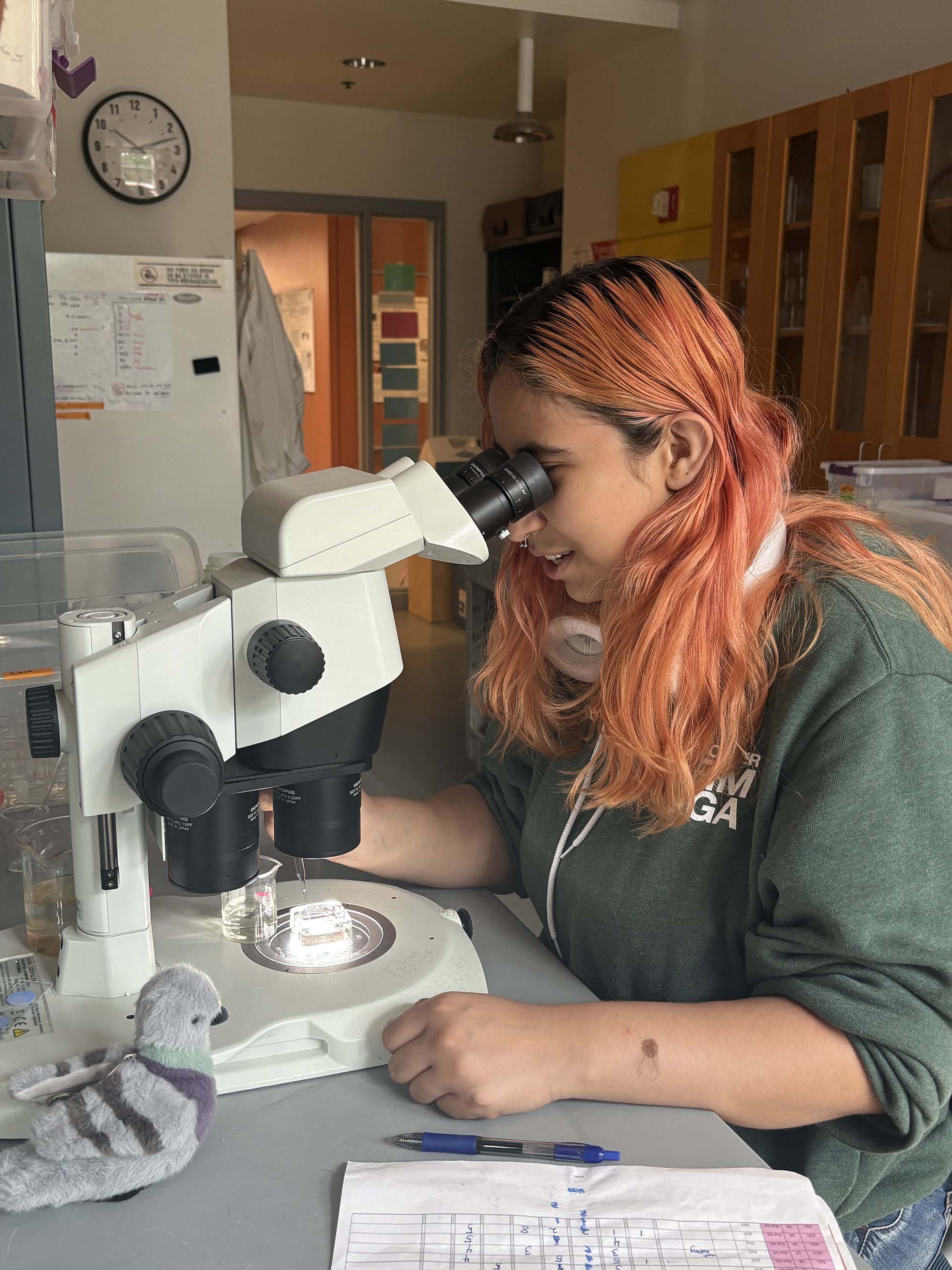
This summer, Angelic Nunez worked in the Rogalski Lab investigating how a novel gut parasite affects Daphnia ambigua, a freshwater organism that plays an important role in aquatic food webs and water quality. She studied whether parasite virulence changes after spores spend increasing amounts of time outside their host. She conducted controlled laboratory experiments using genetically identical Daphnia, exposed them to parasite spores aged for different periods, and monitored survival and reproduction over five weeks. Through this research, she is contributing to a better understanding of how parasite persistence and transmission may influence freshwater communities, providing insight into the connections between disease, water quality, and ecosystem health.
"My summer in the Rogalski Lab pushed me to think carefully about organism care and the many factors that can influence an experiment, especially when unexpected results required troubleshooting. I also enjoyed combining genetics with ecological research and working alongside others in the lab, which made the experience especially fun and rewarding. I am excited to continue this work in the fall, including genetic testing of the parasite and continuing to explore its role in freshwater ecosystems."
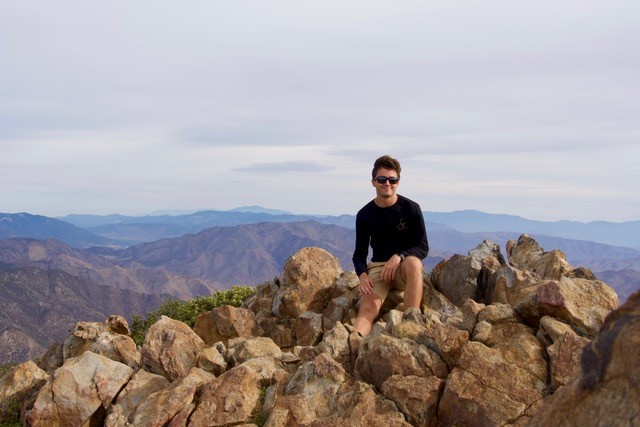
Shea McGrath, Poppy Environmental Research Fellow, Summer 2026, on a break from research in the UC San Diego Archives hiking in the Imperial Valley, CA. (in addition to the Poppy fellowship, Shea received a History research travel grant to cover his travel to the UCal Archives).
Poppy Environmental Research Fellowship
Shea McGrath, 27
With a Poppy Environmental Research Fellowship, Shea researched the environmental history of respiratory health in Southern California with a regional focus on San Diego and Imperial Counties with Professor Matthew Klingle's advising. His research examines how contemporary challenges with asthma in the Imperial Valley—a major agricultural hub—arose from decades of landscape change, agriculture, and exploitative social and economic structures across the region—with a focus on how asthma suddenly “emerged” as a public health crisis in the 1990s after being relatively invisible in previous decades. Shea researched at major university archives across Southern California during his Poppy Fellowship and, upon return to campus, continued researching using the Bowdoin Library's extensive catalog and Interlibrary Loan to build a comprehensive bibliography of primary archival sources and secondary source scholarship atop which his honors project will be written.
“I'm thankful for the Environmental Studies Program and the Poppy Fellowship for providing me with the time and resources to research for my senior-year honors project. I thoroughly enjoyed my deep dive into the environmental history of asthma and learned not just about my topic but also about the research process in the environmental humanities. My hope is that lessons from asthma's history in the Imperial Valley can help suggest answers to the region's looming environmental and health challenges today.”
Cooke Environmental Research Fellowship
Harper Stevenson '27
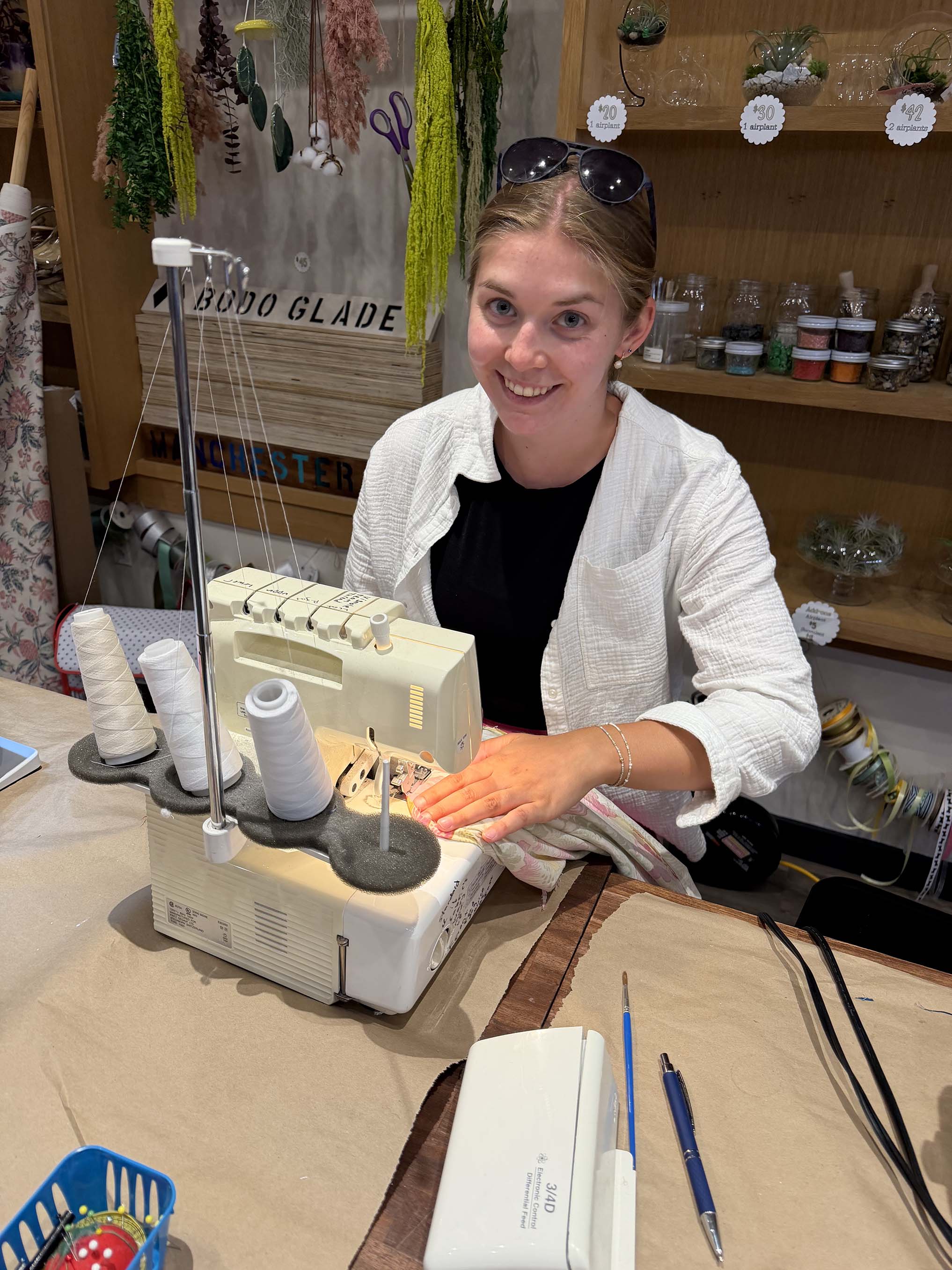
Harper Stevenson pursued an environmental research project exploring how Vermonters’ relationship with land and community have changed with the proliferation of technology, with mentorship by Professor David Hecht. As part of her fellowship, she systematically removed a decade of technology from her lifestyle each week, dedicating the newfound free time to learning new skills. Harper also spent several days alongside community members whose livelihoods center on teaching others and connecting people to the land. Through conversations with farmers, foresters, non-profit leaders, and youth educators, she gained a deeper understanding of the complex and intertwined social and ecological systems that shape Vermont.
“This little state is still a place full of gritty, self-starting, and hardworking people, but I see fewer instances of neighbors sharing tools, groups maintaining trails, and people in their driveways diagnosing broken lawnmowers. I wanted to find out if this was true, and why it might be the case. Through conversations with local farmers, foresters, educators, and nonprofit leaders, I learned that even in a state where 80% of total land is forested, students are not regularly spending time outdoors or learning about their local environment. Among the people I spoke with, there was a common understanding that doing hand-on work alongside others is one of the best ways to build a community that cares about its home place. So, I strived to do just that. I taught myself to bake sourdough using a 25-year-old starter gifted to me by a friend. I watched a beekeeper smoke the hives, then spent three days with her harvesting honey. I took sewing workshops, helped my dad replace a hot water heater, and built bookshelves—learning along the way and building stronger ties to Southern Vermont.”
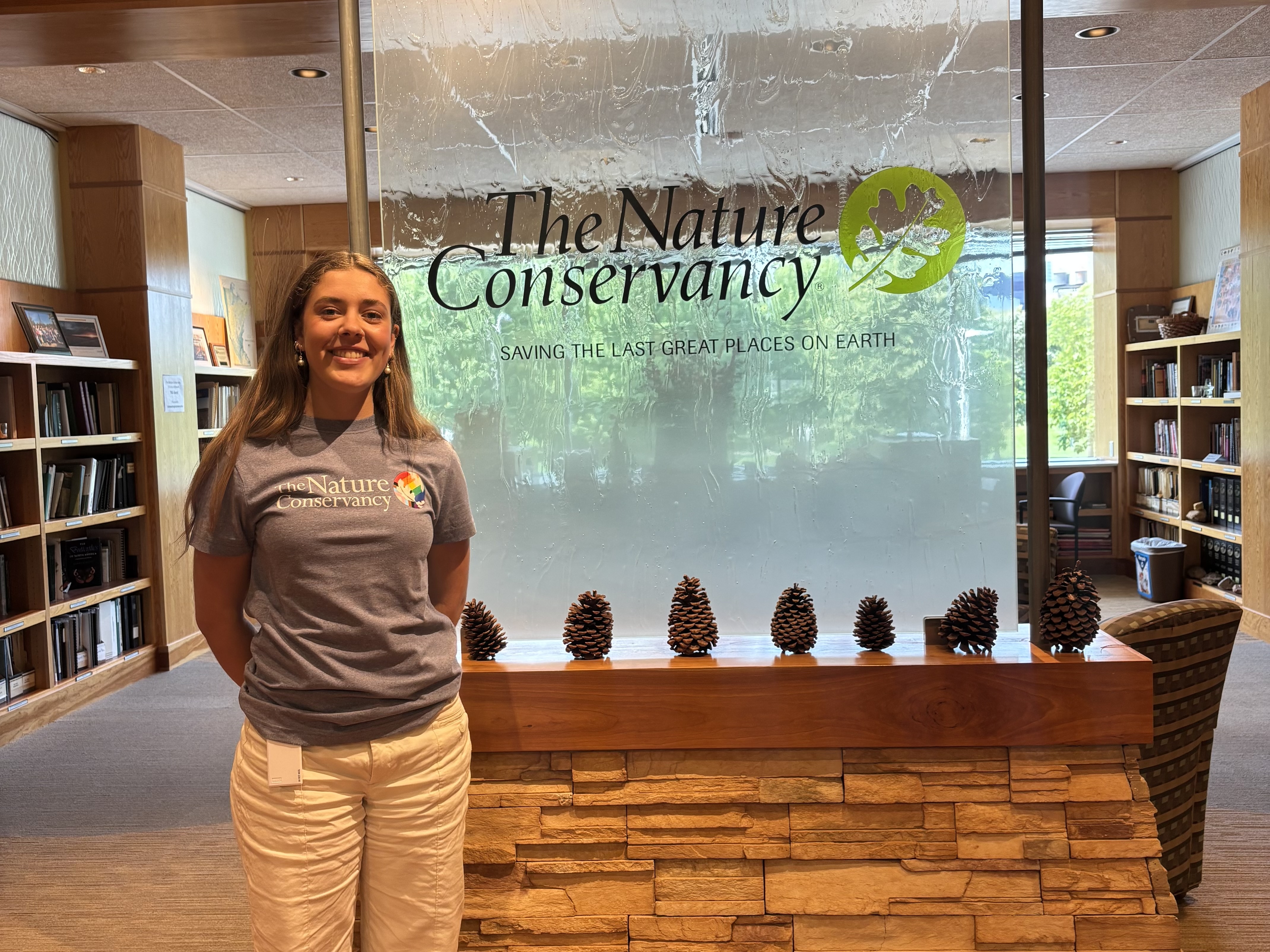
Margot Trout, '28, Cooke Environmental Research Fellowship with The Nature Conservancy of Minneapolis, MN
During her time with The Nature Conservancy, Margot worked with both the science and policy teams to provide information on the emerging sustainable aviation fuel (SAF) industry, mentored by Professor's Eileen Sylvan Johnson and Dharni Vasudevan. To support the science team, she authored a literature review assessing the environmental tradeoffs associated with forest biomass harvesting and sustainable aviation fuel (SAF) production, focusing on biodiversity, water, and climate impacts in the Upper Midwest. For the policy team, Margot analyzed international, federal, and state SAF policy approaches to identify advocacy priorities in the upcoming legislative session. Throughout, she conducted stakeholder interviews with forest landowners and members of the Minnesota Forest Resources Council to understand local concerns and hopes for an emerging forest biomass market.
"I gained experience in structuring independent research and feel much more comfortable setting personal timelines and organizing priorities. I also have gained confidence in conducting an in-depth literature review, and am excited to continue to hone this skill. This opportunity helped me understand the complexity of science-informed policy and importance of cultivating partnerships across organizations."