2025
Isa Cruz '27
Women’s Studio Workshop: Printing to Infinity and Street Art as Protest Workshops
My first workshop, “Printing to Infinity,” led by bookmaker Liz Castaldo, focused on pattern-making within silkscreen, which allowed me to work on scales and in installation capacities I’d never considered before (I tiled prints up & down the walls and in stairwells!). The devoted time to develop and execute my ideas was life-altering; I spent my early mornings and very late nights in the studio: by the end of the week, I’d created four editions with unique designs and color palettes: two of 15 prints, and two of 20. As a photographer, I’ve become enthralled with the photographic silkscreen method, and the challenge of making endless, seamlessly repeating patterns was amazingly frustrating and rewarding.
In “Street Art as Protest,” I learned techniques for creating posters and pieces to install in public space with wheatpaste from public artist Symone Salib. At the culmination of the week, I installed my works on an 8ft x 8ft wall. The individual works combine tiled relief prints, collage, portraits, and drawings; conceptually, they meditate on revolutionary poetry and feminist literature, the role of women in our lives, personal memories and cultural significance associated with food (especially foods I eat as part of the Puerto Rican diaspora), and bearing witness. I’ve had a practice of what I call “urban visual interventions” for a while where I seek to bring art into the public, and this method is so nonintrusive and effective that I’m looking forward to seeing what I can do with it.

Isabella Rivera-Gandrung '26
Oxbow School of Art: Glass-Blown Organics Workshop
In my glass course "Glass Blown Organics," I explored sculpture and materials through a posthumanist lens. In the first few days of this class, I took my first gather (collection of melted glass from the furnace using a rod called a punty), learned how to be an assistant in the hot shop alongside my classmates, and became accustomed to various tools to shape and manipulate the glass. We learned three methods of hot glass forming: solid sculpting, glassblowing and mold blowing.
For our final assignment, we confronted the question of what it means to make a sculpture through a posthumanist lens. Posthumanism is a view which broadens our understanding of what it means to be human, challenging traditional human-centered views and breaking boundaries between humans, other entities, and the world at large. In my final work, I was interested in investigating the formation of trails—how animal paths become human paths.
By experimenting so thoroughly with glass, at times with great playfulness and absurdity in the hot shop, I gained a great appreciation not only for glass, glass objects, and glass makers but also for the natural resources and economies that have produced our modern world of lightbulbs, space telescopes, medical advances, and high speed internet through fiber-optic cables. Truly this course has broadened my understanding of what it means to be human.
2024
Ahmad Abdulwawood
Photography Project: Spanish Harlem
Emma Paterson-Denis '24
Frogman's Printmaking Workshop: Reduction Relief Workshop
Samaya Bernardo '24
Sachaqa Arts Center, Peru: month-long artist residency
Lillian Frank '25
Photography Project: Whitewater River Guides on the Kennebec River
2023
Jai Duval '24
Anderson Ranch Art Center: Introduction to Wetplate Photography Workshop
Anderson Ranch was an amazing experience which allowed me to explore my passion for alternative photography processes while building lasting connections with fellow artists. I delved deep into the intricacies of wetplate photography. I gained a comprehensive understanding of the medium, from the chemistry involved to the creative possibilities it offers. I now feel comfortable executing these techniques independently and utilizing them to refine my unique style. The skills I acquired have become an invaluable addition to my artistic toolkit.

Abby Wang '23
Penland School of Craft: Stone Lithography Workshop
The workshop was two weeks of working in a studio taught by Aaron Coleman, with a cohort of ten other printmakers from various careers and intersections of the arts and printmaking. Beginning the basics, we worked up an understanding of the stone lithography process and I was able to make an assortment of prints. As a medium, printmaking requires large presses, large studio spaces, and lithography specifically requires the heavy unwieldy stones as “plates” for drawing the image that we would be printing. This means that very few studios have this equipment, so being able to take a workshop at such a well stocked craft school was an incredible opportunity.

Lily Randall '23
Photography Project: Photo Journal
2022
Amira Oguntoyinbo '24
Anderson Ranch Art Center: Post-Photographic Processes Workshop
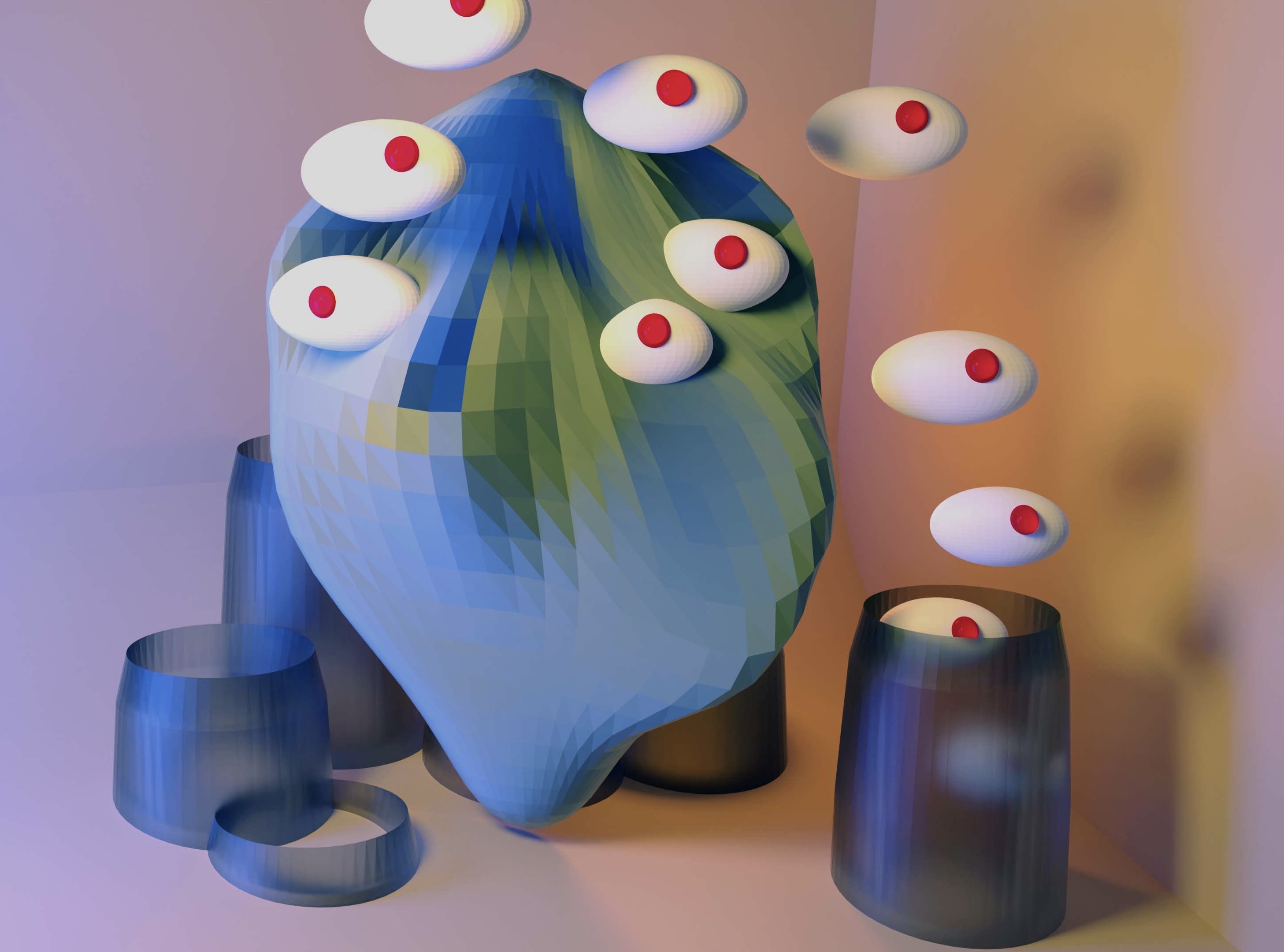
I had the pleasure of attending Mark Dorf's Post-Photographic Processes workshop at Anderson Ranch in early July of this summer. This workshop was a fascinating culmination of what I've learned through courses I've taken in the Visual Arts and Digital and Computational Studies departments at Bowdoin—we explored the meanings of photography beyond the physical camera and gained skills in 3D-rendering, photogrammetry, and Photoshop. After my week on the picturesque Anderson Ranch campus, I am excited to continue using my acquired skills to challenge the idea of what an image looks like in our increasingly digital world with future work I do while at Bowdoin.
Cora Dow '24
Frogman's Printmaking Workshop: Stone Lithography
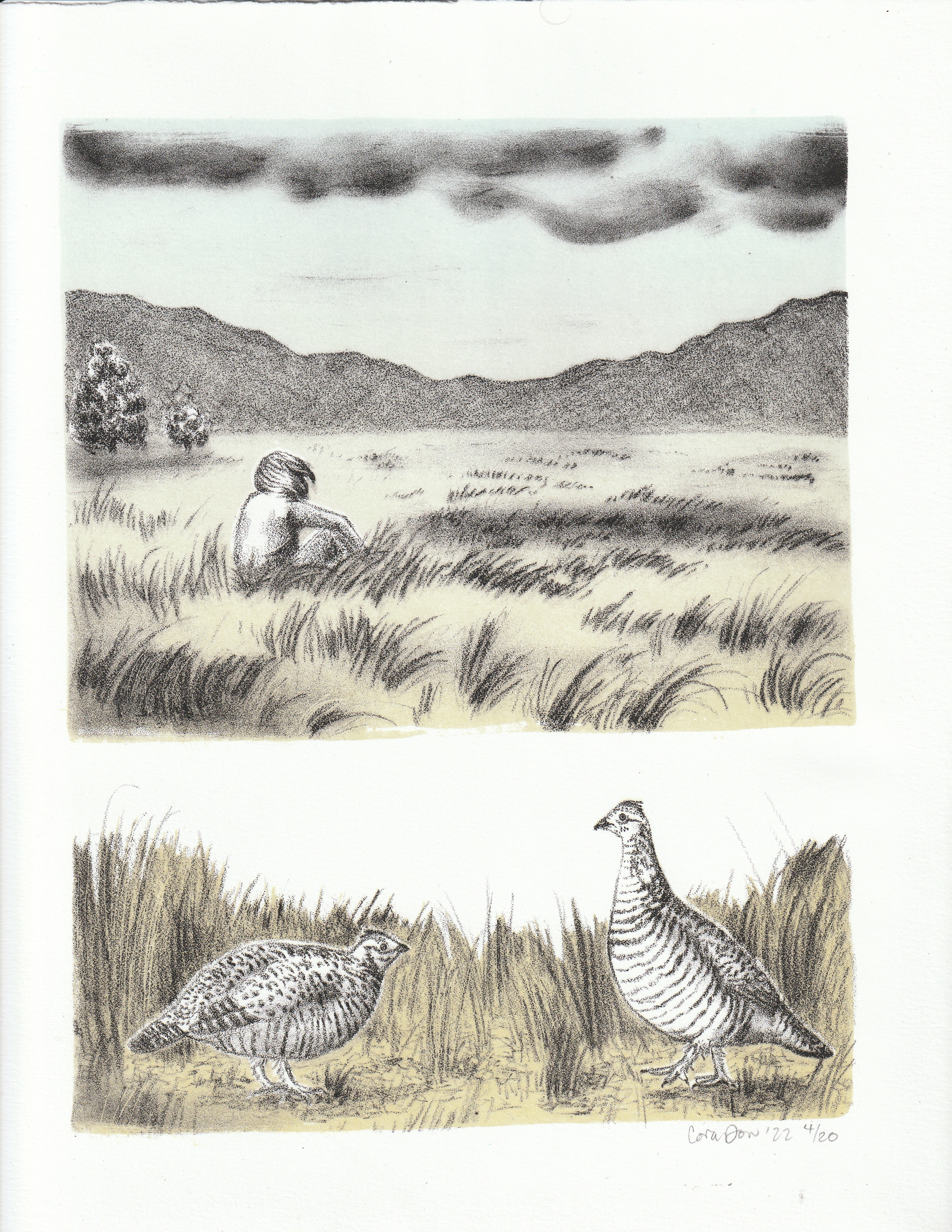
In July I had the opportunity to attend the Frogman’s Printmaking Workshop with a grant from Bowdoin’s Visual Arts Department. The workshop was five days of working in the studio, attending artist talks, and meeting other printmakers. I was in the stone lithography workshop taught by Meghan O’Connor, and I completed a two-layer color lithography print during the week I was there.
The stone lithography process is incredibly complex and intensive. I picked this workshop over others because of the expertise and special materials it requires; I knew I might never have a chance to learn it again. During the workshop I took several pages of notes documenting the process. It begins with drawing on limestone with lithography crayon, a frustratingly imprecise tool that requires sharpening every couple minutes. The drawing is followed by a series of etches using gum arabic and a few drops of nitric acid. The actual printing was done in teams of two, with one person rolling on thin layers of ink and rolling the stone through the huge press, and the other using a large sponge to keep the stone moist. Since I wanted my print to have color, I completed an additional process of sharpie lithography, which took another day and another round of etches and printing. To finish the two versions of this complicated process, I was in the studio for as much time as possible and often stayed until it closed at 11pm.
However, the workshop was more than just printing all the time. One of my favorite parts was making connections with other printmakers, which was facilitated by parties, an open portfolio event, and artist lectures. Everyone was eager to look at art, talk about print processes, offer advice, share residency opportunities, swap prints, and get to know each other. There were artists at every place in their careers, from other undergrads to professional fine artists, to grad school students, to professors, to retirees. I was able to learn not just how to make a lithograph print, but also how to look for residencies and what printing jobs exist after college. I’m very grateful for Frogman’s giving me new skills, but especially for connecting me to more artists. The workshop made me realize how deep my love of art and printmaking is, but, more importantly, that there are others who share that with me.
2021
Abby Wang '23
IS Projects/Nocturnal Press Production Intern
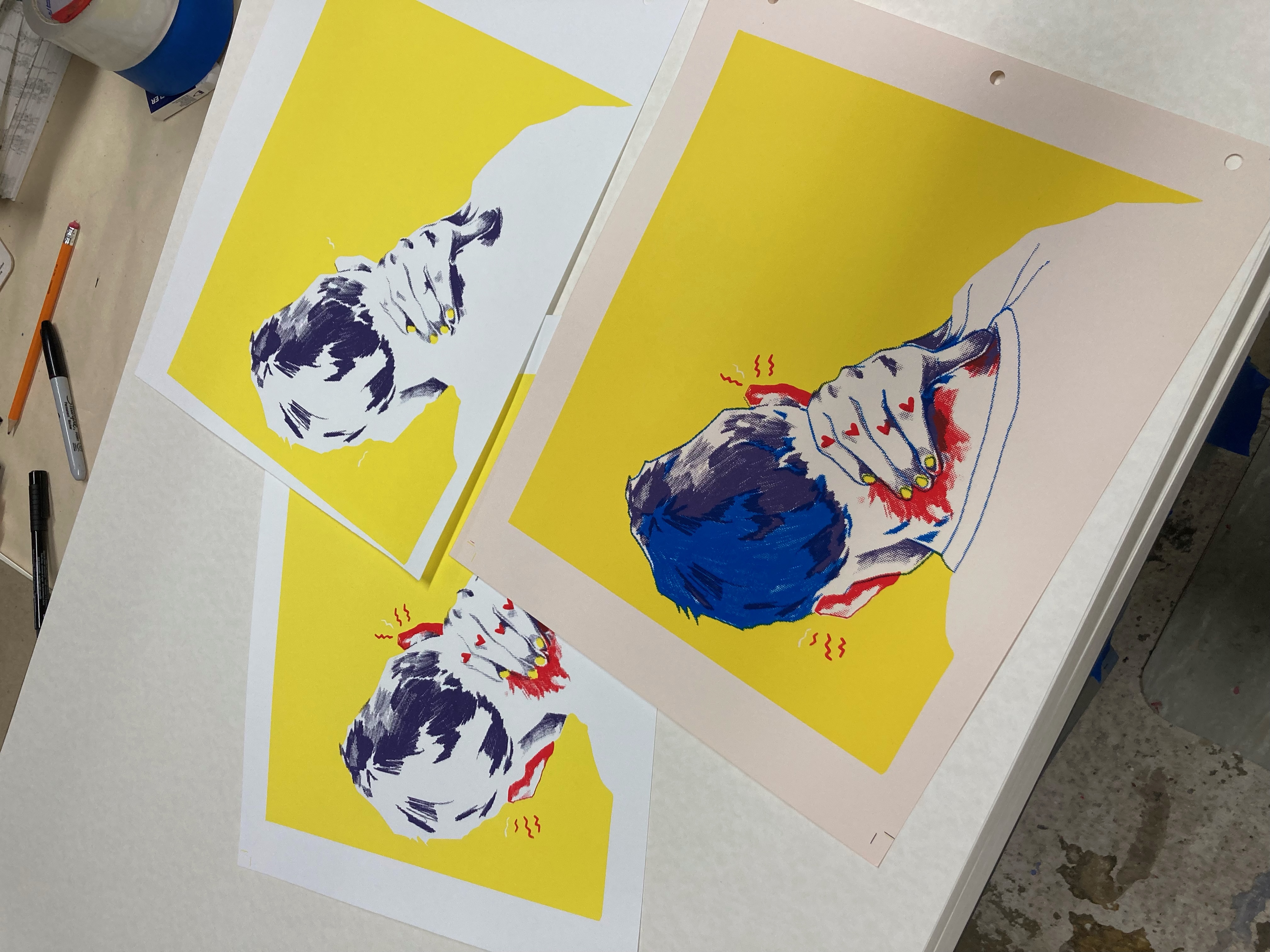
At the studio, I was able to help in the production side of business, printing and preparing orders such as wedding invites or artist works. A major project I participated in was the studio’s “Existent Books” project, which selects local artists and works in partnership with them to publish an artist book. In the process, I was introduced to new printmaking equipment and techniques such as silkscreen, letterpress, die-cutting, and many more.
The experience allowed me to be a part of a thriving small business and community that balanced commercial and artistic endeavors, and meet people practicing art in many different capacities that showed me new routes I could go into in my art career. I was also able to take part in installing a 17,000 square foot museum show of our studio work, and exhibit at the gallery show “Fresh Prints”.