Alumni Profiles

We would love to hear what you are doing. Please contact the EOS department with your updates and comments. Updates to your alumni profile with the College's Bowdoin Alumni Gateway are also welcomed.
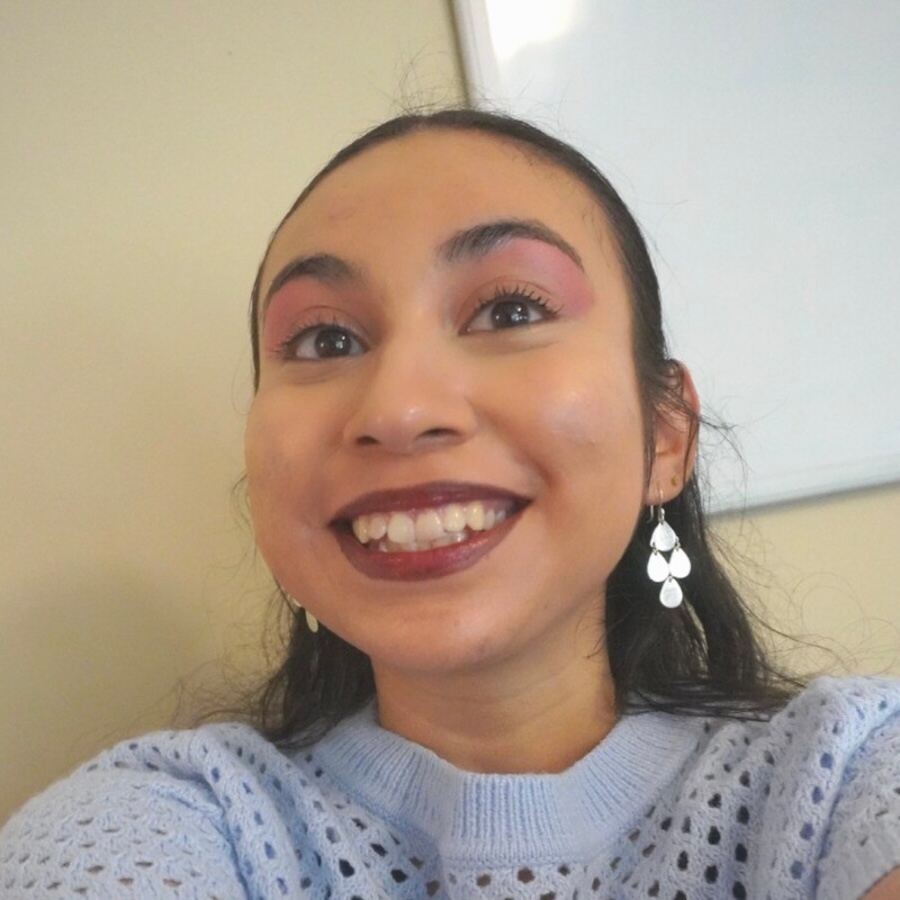
Ebenezer Figueroa headshot

Ebenezer Figueroa

Class of: 2024

Location: Chicago, Illinois

“When I started taking EOS classes in my sophomore year, I was very curious about climate change and really wanted to explore the science behind it.”

What have you been up to since graduating from Bowdoin?

After graduating from Bowdoin in 2024, I went on to receive a Watson Fellowship, during which I traveled to six countries heavily impacted by climate change to learn how communities are using education networks to make environmentalism more accessible. During my Watson year, I conducted interviews with women in conservation leadership, partnered with conservancies on their environmental education programs, and participated in the daily lives of traditional agricultural workers supported by universities and other educational networks.

After the fellowship, I have been exploring different career paths and have pivoted to working in higher education, specifically in the division of student success. In my free time, I continue working toward a deeper understanding of the natural world around me and have recently taken an interest in native plant species in the Chicagoland area, where I call home.

Why earth and oceanographic science?

Like many students who enter Bowdoin, I had a variety of interests I wanted to explore and skills I wanted to develop. Earth and oceanographic science provided me with a strong foundation in diverse, transferable skill sets and gave me the opportunity to meet people doing this work on the ground.

During my time as a student, I learned from the local water district, interviewed scientists in Mexico City about geomorphological changes, and attended field trips to sites across Maine. The skills and experiences I gained through studying EOS prepared me to make observations about the land I am on, wherever I may be, connect with people to understand how different communities are experiencing environmental change, and use data to help develop solutions that support both people and the planet.

What advice would you give to current students or recent graduates interested in your field?

I would encourage current students and recent graduates to take risks, make time for reflection, and never stop exploring. When I began my EOS degree, I had limited knowledge of how our planet functions and little outdoor experience. My first year of college was a time of academic exploration, but through reflection, I realized I wanted to pursue a field that provided a strong scientific foundation and the opportunity to make meaningful contributions to society.

I began taking EOS courses in my sophomore year, and right before my senior year, I reflected on the knowledge I had gained over four semesters. I combined that with my experiences as a first-generation college student navigating higher education and developed my Watson project. You can gain and apply a significant amount of knowledge in a short period of time.
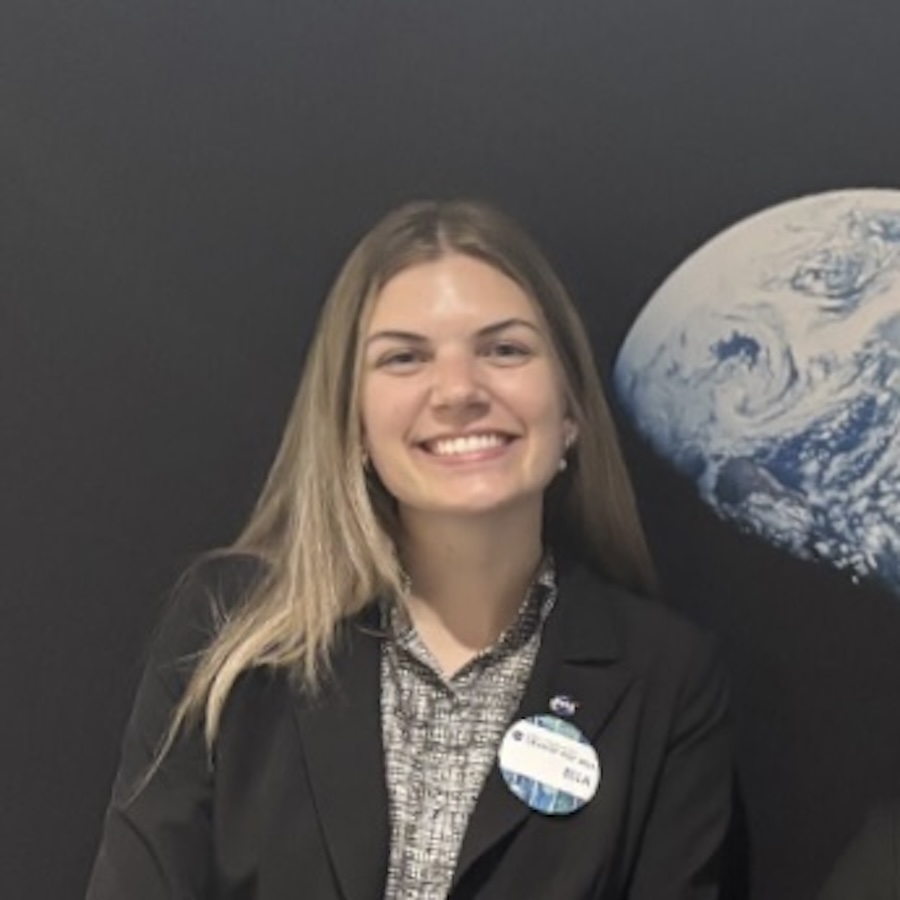
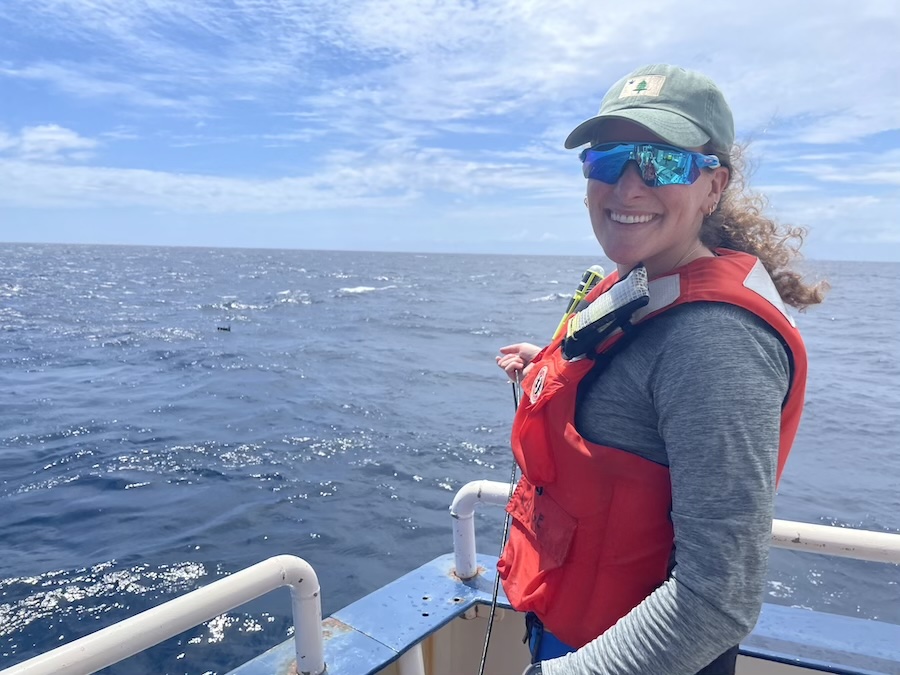
Ella Haugen headshot

Ella Haugen

Class of: 2023

Location: Washington, DC

“The collaborative nature of the major fostered a fantastic community that played a significant role in my growth.”

What have you been up to since graduating from Bowdoin?

Since graduating from Bowdoin, I have been working for NASA’s Earth Science Division. My career has focused on making NASA satellite data more accessible, informing decision making, and addressing environmental challenges. I began as a participant in the DEVELOP Program, now the EarthRISE Developers Academy, at NASA Langley Research Center. My research focused on delineating shorelines and mapping coastline change using remote sensing data in partnership with the National Park Service at Cape Hatteras National Seashore. That experience led to a full time position within the program, where I developed project proposals, collaborated with partner organizations and science advisors, and supervised teams of interns.

In 2025, I relocated to NASA headquarters for a new role as satellite needs program coordinator. Today, much of my time is spent analyzing and communicating the impact of NASA Earth observation data at a programmatic level. I pinch myself daily and feel incredibly fortunate to support NASA’s mission of understanding how our planet works for the benefit of humanity.

Why earth and oceanographic science?

I am passionate about working with like-minded people to solve problems and help others. I took Introducing Earth on a whim and quickly realized that EOS was a great fit because of how deeply the common good is embedded in the major. You are able to conduct meaningful research and then apply what you have learned to real-world challenges. That perspective continues to shape how I approach environmental concerns in my work today. I also learned a great deal from my peers.

Are there any classes, professors, or experiences that had a lasting impact on you?

My most memorable course was an independent study in Solid Earth with Professor Emily Peterman. The opportunity to design, conduct, and communicate an independent research project was invaluable.

What advice would you give to current students or recent graduates interested in your field?

An interdisciplinary background is a major advantage, and EOS is an excellent major because it exposes students to many facets of Earth science. I encourage current students to take full advantage of every opportunity available to them. Explore cross-listed courses, dive into subdisciplines of particular interest, attend conferences, and ask professors about contributing to their research. You never know which experiences will open new doors or where those opportunities may lead.

Sasha Kramer headshot

Sasha Kramer

Class of: 2016

Location: Boston, Massachusetts

“I loved the way oceanography allowed me to combine my curiosity about the natural world with the fundamentals of biology, chemistry, physics, and geology.”

What have you been up to since graduating from Bowdoin?

I graduated from Bowdoin in 2016 and went on to pursue a Ph.D. in Marine Science at the University of California, Santa Barbara from 2016 to 2022, where I focused on characterizing the composition of global ocean phytoplankton using in-water samples and remote sensing. I then moved up the coast for a postdoctoral fellowship at the Monterey Bay Aquarium Research Institute in Moss Landing, CA, where I tracked surface ocean phytoplankton through sinking marine particles using DNA metabarcoding. My time on the West Coast came to an end in summer 2025, when I moved back to Massachusetts to start my own lab as a tenure-track Assistant Professor in the Department of Earth & Environment at Boston University.

Why earth and oceanographic science?

I actually came to Bowdoin planning to be an English major, but in the fall of my first year, I took a course called Oceanography of the Gulf of Maine, taught by Visiting Professor Nick Record, now at Bigelow Laboratory for Ocean Sciences. I also loved getting to conduct fieldwork and lab work in the EOS department, exploring the coast of Maine and learning about our ecosystem through hands-on approaches from both land and sea.

The EOS department offered me opportunities to conduct summer research, learn how to run analytical instruments, and serve as a teaching assistant for introductory courses. These experiences showed me what a career in marine science might look like and set me on the path to pursue oceanographic research at the highest levels after graduation. I will add that I was also an English minor. Writing is a crucial part of being a good scientist, and a Bowdoin education gives you all of the tools you need to succeed.

Are there any classes, professors, or experiences that had a lasting impact on you?

Many of my Bowdoin EOS experiences were foundational to my career in marine science, but some particular highlights include conducting summer research with Dr. Collin Roesler in 2014 and completing an Honors thesis with her during my senior year. These research experiences allowed me to learn the basics of oceanographic fieldwork, lab work, and data analysis, present my work at two major conferences, and ultimately led to a peer-reviewed publication after I graduated from Bowdoin.

Collin and I have continued working together, including spending a month in the North Pacific in 2018 and in the North Atlantic in 2021 during my Ph.D. as part of the NASA EXPORTS program. She was also a co-author on one of my dissertation chapters that arose from that work. I have been very grateful for her continued mentorship and friendship, as well as for guidance from Dr. Emily Peterman. While Emily and I are in slightly different fields, she has always provided thoughtful advice about navigating an academic career and, more recently, about starting my own lab.

What advice would you give to current students or recent graduates interested in your field?

In addition to working hard and staying curious, one of the most important aspects of my scientific career has been my network. Science is never done in a vacuum, and the connections you make at Bowdoin, during summer programs, or through study abroad experiences can become lifelong friends, peers, and collaborators.

Reach out to people, ask questions, and stay engaged in your community. I am constantly in touch with friends from Bowdoin, whether or not we overlapped, as part of my scientific work. My closest collaborator is Dr. Ali Chase ’09, and I feel incredibly fortunate to have built such a strong and supportive network through the EOS department.

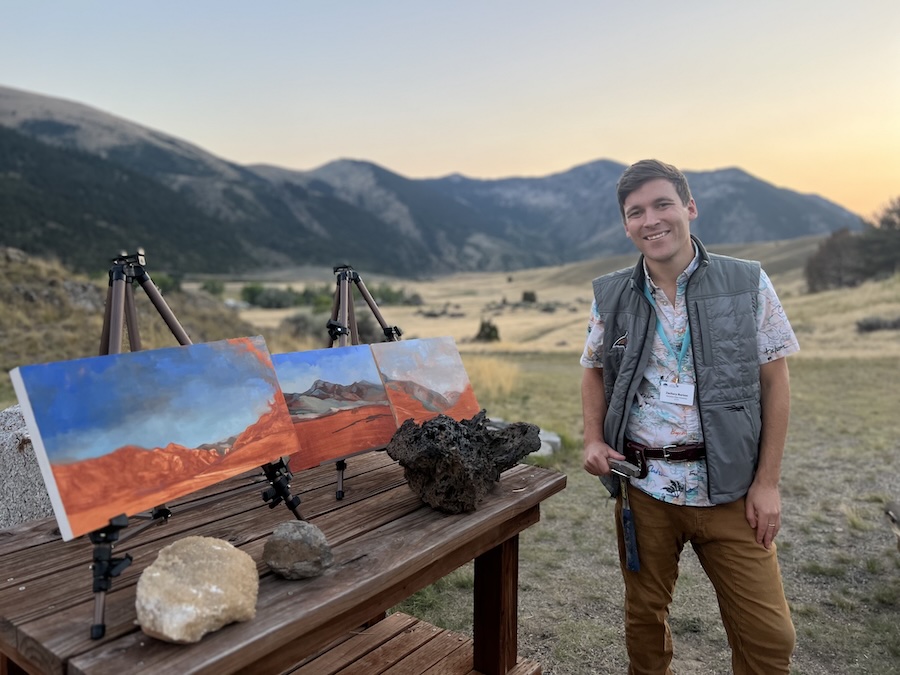
Zack Burton headshot

Zack Burton

Class of: 2015

Location: Bozeman, Montana

“The wonderful, supportive professors and the EOS family and community they fostered was 100 percent what brought me into the major and made me love my time in the department so much.”

What have you been up to since graduating from Bowdoin?

Since graduating in May, 2015, as an EOS and German double major, I attended Stanford from 2015 to 2020 and received my PhD in geological and environmental sciences. During grad school, I worked various internships, including roles as a geologist in oil and gas, a renewable energy policy analyst at Stanford, and a sustainable development and social impact researcher in India. I also volunteered as a research assistant with NASA and the SETI Institute and was funded for most of my PhD as a Department of Energy graduate fellow researching marine geology.

After grad school, I worked in environmental management consulting for one year at a firm called Exponent, where I lived in Salt Lake City and Boston and co-founded the company's sustainability and climate change consulting branch. I eventually decided to leave that lucrative consulting career to return to academia, and after spending some time unemployed, I started a NASA-funded postdoctoral research fellowship at the University of Idaho. In July, 2023, I moved back to Maine for the first time since Bowdoin to spend the academic year as a visiting assistant professor at Bates. In August, 2024, I began my current position as a tenure-track assistant professor in the Department of Earth Sciences at Montana State University in Bozeman. I also serve as an affiliated scientist with the SETI Institute and the Instituto de Astrofísica de Canarias, and I continue to lead The Manic Monologues as a founder and playwright.

Why earth and oceanographic studies?

I certainly did not plan on a major or career in STEM, as the sciences were my weakest subject in high school, and I came to Bowdoin loosely intending to become a government major. However, I took one EOS class in the spring of my first year, and my path was forever changed. Another pivotal, formative experience came during my last summer and year at Bowdoin when I dove into an honors research project with Emily Peterman. I was not planning on grad school, and certainly not on a PhD, as I did not imagine myself to be someone who could contribute novel scientific research. But encouragement and support from Emily, as well as from Professor Rachel Beane and Professor Collin Roesler, convinced me otherwise; grad school ended up being one of my favorite experiences of all time, and I am forever grateful to the phenomenal faculty at Bowdoin.

What advice would you give to current students or recent graduates interested in your field?

Interestingly, this may be a very good time to be graduating with a geology degree, as the outlook feels much better than it did when I graduated in 2015. I want to provide a word of encouragement: you are far more qualified than you think you are, and a Bowdoin degree—along with the skills, creativity, and critical thought that come with a strong liberal arts education—really is a tremendous asset. Reaching out and having conversations through networking remains the gold standard across industry, government, and academic sectors, especially when it comes to getting involved in geoscience careers. Don't hesitate to reach out to folks in careers or at companies you may be interested in exploring, whether through a cold phone call or a LinkedIn message. Finally, as a Polar Bear, I can reaffirm that the alumni network is something to lean into; while you might not bump into many graduates outside of New England, the connection is often instantly far stronger than if you had gone to a school ten or twenty times Bowdoin's size.

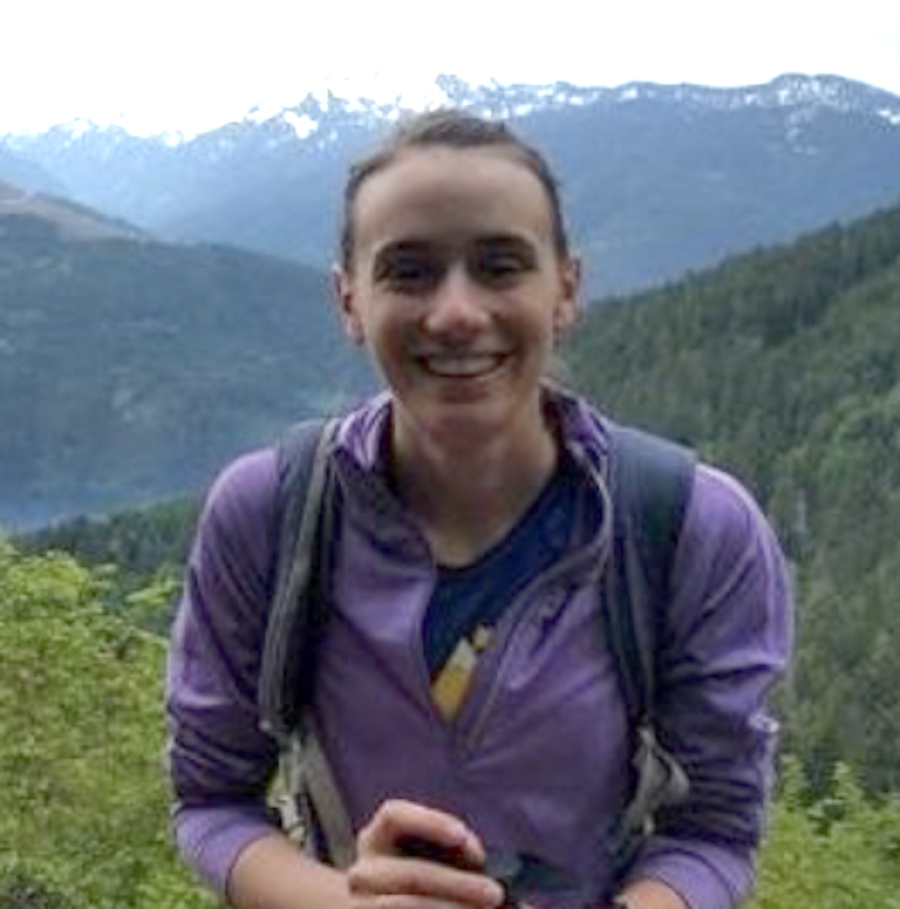
Hannah Glover headshot

Hannah Glover

Class of: 2013

Location: Corvallis, Oregon

“I really enjoyed EOS classes, and it felt like a career trajectory where I could be very directly helping people and dealing with climate change.”

What have you been up to since graduating from Bowdoin?

My advisor, Rachel Beane, helped me get a job right after I graduated, at the Maine Geological Survey. I did that for six months, and then I moved to Seattle and got a job at a research center called the Applied Physics Lab, which is associated with the University of Washington and focused on mostly oceanography. I worked as an oceanographic field engineer there, and I maintained and repaired all sorts of oceanographic moorings and instruments to monitor water quality. I did this for two and a half years, but it was purely engineering—I wasn't really doing any science, per se. I decided that I wanted to get a chance to actually look at oceanographic data and not just the instruments used to collect data. I went back to graduate school at the University of Washington and I just finished my PhD in March of 2022. Now I'm doing research at Oregon State Univeristy!

Why earth and oceanographic science?

During my time at Bowdoin, I really liked science, but I was not good at standing in a lab all day. When I started taking EOS classes, there was something that really clicked for me—I was learning about the landscape around me and discovering, for example, that it's not an accident that there are hills in one place and rivers in another; there's rhyme and reason to it. I really enjoyed those classes and it felt like a career trajectory where I could be very directly helping people and dealing with climate change. EOS is a really nice intersection of spending time outdoors, engaging with hard science, and doing something that directly helps people.

Are there any classes, professors, or experiences that had a lasting impact on you?

My most memorable course was Structural Geology and Analysis with Professor Emily Peterman.