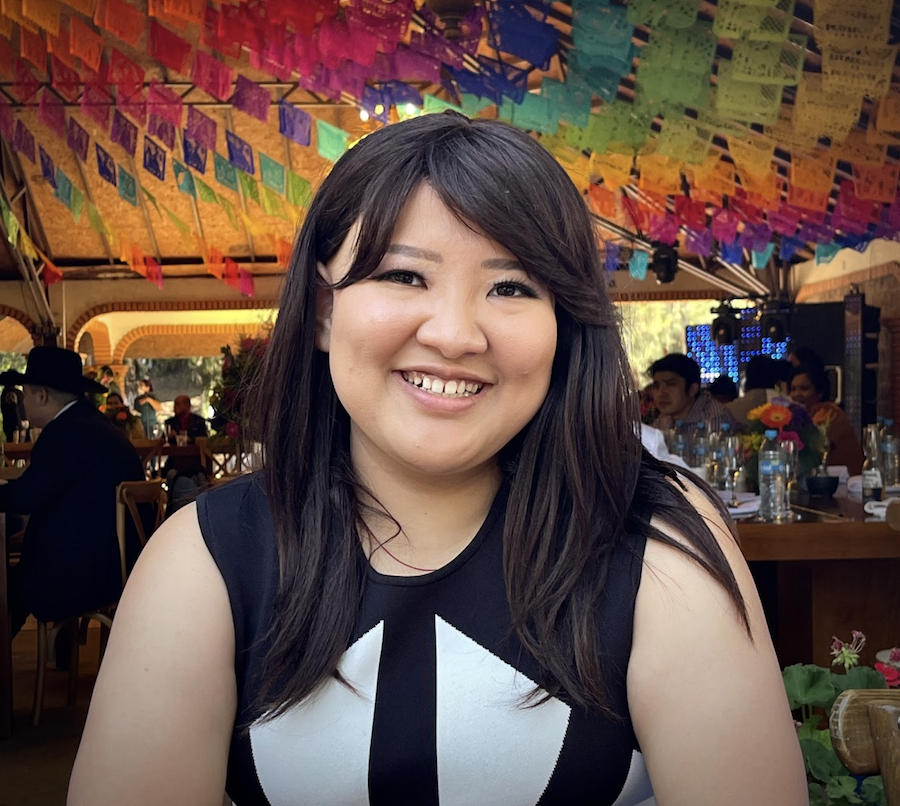
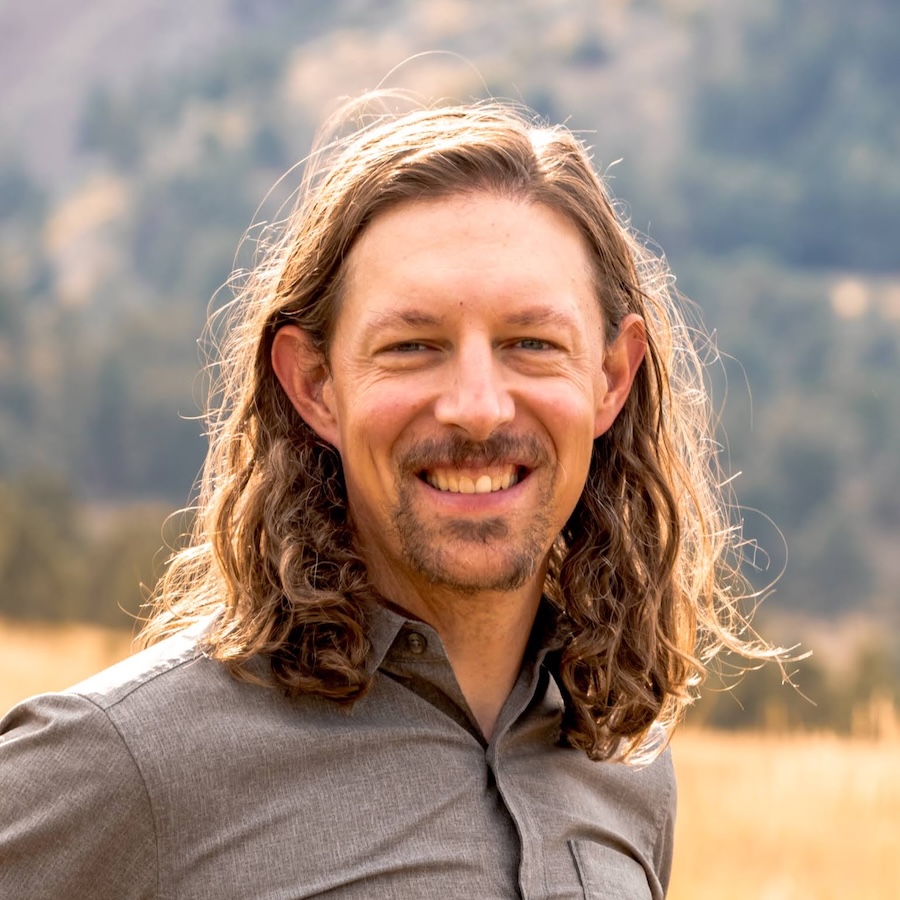
Octavian Neamtu '12 is a Ruby on Rails developer at Annkissam. He develops systems that enable nonprofits to carry out their operations.
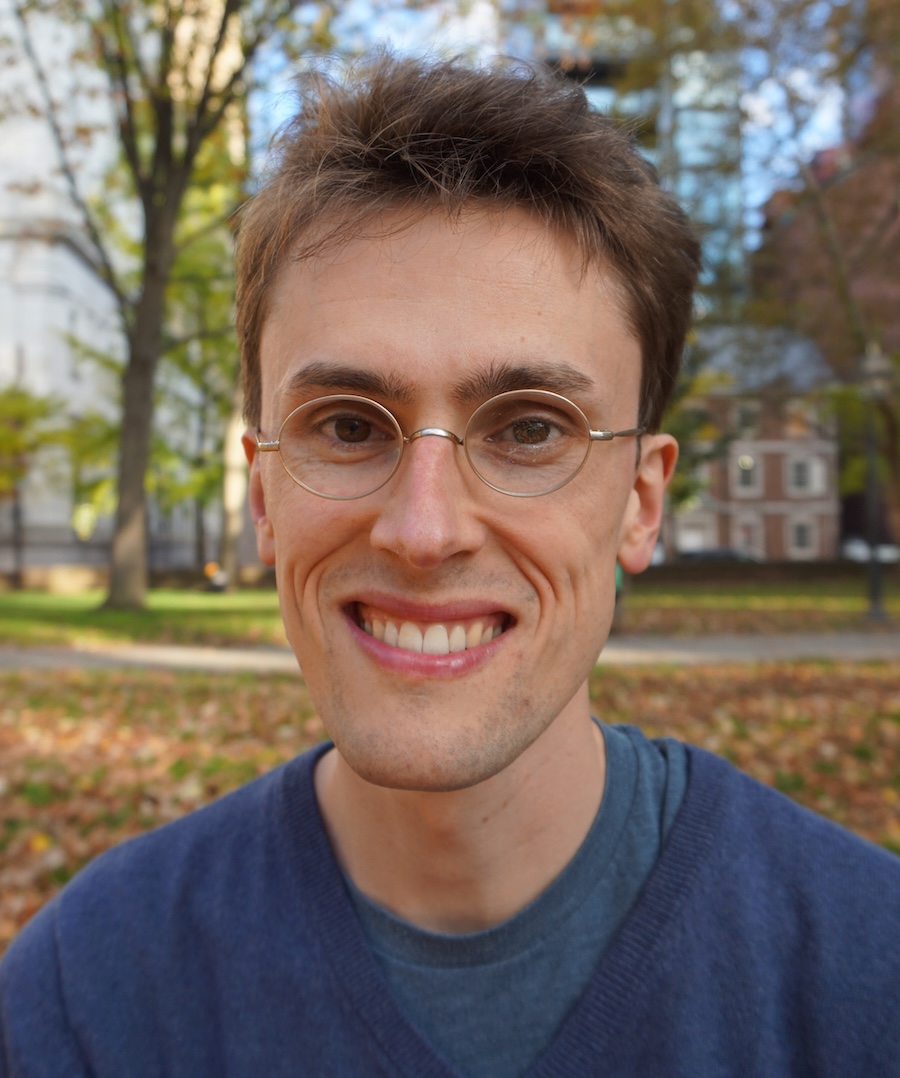
Ben Johnson '11 is a senior product manager at Raizlabs (www.raizlabs.com), a mobile app development firm in Boston, MA. After building the Bowdoin Dining iPhone app during his sophomore year and starting his own app development company (Two Fourteen Software) junior year with Nathan Merritt '11, Ben joined Raizlabs full time after Bowdoin to focus on creating great mobile apps for clients.
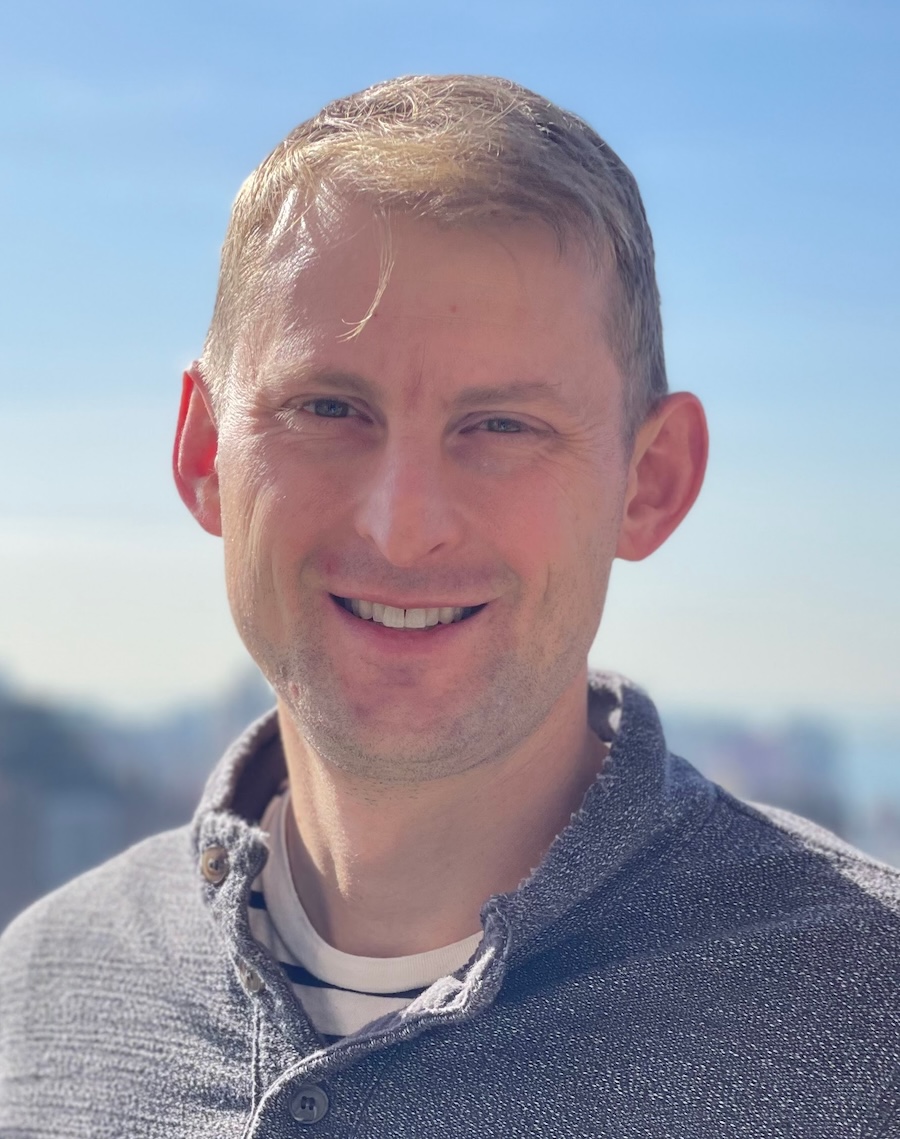
Nathan Merritt '11 Since graduation, Nathan has been working in Boston at TripAdvisor LLC (http://www.tripadvisor.com), on the mobile/tablet team. He works on mobile and tablet native applications, optimized versions of the website, and the RESTful API. In his spare time, he works on apps with Ben Johnson '11 and is organizing a Fantasy Football programming competition
Andrew Lawrence '10 is a software engineer at CA Technologies. He works for the Nimsoft brand in the Fort Collins, CO, office, developing Java-based agents to monitor system performance.
Nick Dunn '09 is a software engineer at Google. He works on the Google+ analytics team in Mountain View, developing and maintaining infrastructure for analyzing Google+ traffic and behavior.
Jeremy Fishman '09 develops software at Quantcast in San Francisco, CA. His team built out the real-time bidding platform to handle over 500K transactions per second and growing. Lately he works on QFS and other real-time big data back-ends.
John Hall '08 is working as a front-end developer/software engineer for CustomInk.com, an online t-shirt design company based in McLean, Virginia.
Oliver Radwan '08 works in research at a hedge fund in southern CT.
Alec Berryman '07 works on search infrastructure software at Google's headquarters in Mountain View, California.
Mark Hendrickson '07 is a product developer who has worked for several Silicon Valley startups such as Lift and TechCrunch, having also founded, run, and sold a startup called Plancast. He focuses on building and bringing new consumer technologies to market, with combined backgrounds in programming, design, management, and marketing. Currently, he is a freelancer working on various projects that involve iPhone app and web development.
Matt Murchison '07 was previously front-end developer at Bootsoft and is currently technical lead at ZocDoc. ZocDoc is a free service that allows patients to find a nearby doctor or dentist who accepts their insurance, see their real-time availability, and instantly book an appointment. Matt and his team do everything from improving ZocDoc's infrastructure so that it scales as the service grows to building rich Javascript applications for its users.
Jesse Butterfield '06 is a software engineer at Quantcast. He works on machine learning algorithms for display advertising, building predictive models on petabytes of data.
Henry Work '06 is an engineer on the Disney.com platforms team in Glendale, CA. He was part of a team that completely rebuilt Disney.com from the ground up, and now oversees the back-end team as it expands into a more mature content management platform for Disney websites and apps.
Brendan Mortimer '06 is in graduate school for philosophy in London.
J. Ferd Convery '06 works at NERA in New York.
Wyatt Dumas '05 worked for three years teaching computer science at Los Alamos High School in New Mexico before becoming a curriculum developer for Project Lead The Way (PLTW), where he is currently working on development of a CS Principles course. PLTW serves 5,000 school districts nationwide and continues to grow every year.
Greydon Foil '05 is a PhD student at the Robotics Institute at Carnegie Mellon University. He is currently focusing on space and exploration robotics, and is a member of the Field Robotics Center and the Life in the Atacama project. He has previously worked at the Jet Propulsion Laboratory on TextureCam, an instrument in development for future space exploration missions, and is currently collaborating with the NASA Ames Research Center's Intelligent Robotics Group under a NASA Science and Technology Research Fellowship. His research work involves the application of computer vision and machine learning to autonomous science, exploration and mapping, and natural terrain understanding.
Tom Hazel '05 is a software engineer at Google. He works on the display ads team in the New York City office, where he is currently focusing on targeted display ads for large publishers (NYTimes, LinkedIn, YouTube, etc).
Jon Todd '05 is a software engineer at Okta, a Bay-area startup building an identity platform for mobile and cloud applications trusted by companies like Box, Groupon and LinkedIn. His team focuses on platform design, high availability, and secure distributed persistence.
Byron Boots '03 is a PhD candidate in the machine learning department and a member of the SELECT Lab in the School of Computer Science at Carnegie Mellon University. His research spans the areas of statistical machine learning, artificial intelligence, and robotics, with a focus on system identification and reinforcement learning.
Brendan Dickinson '04 is an associate at Canaan Partners, a $3B venture capital firm, where he focuses on early stage investment in ecommerce, financial-tech, and digital media. Prior to Canaan, Brendan worked as a quant at Lehman Brothers & Barclays Capital after graduating from Brown University with an MS in computer science.
Siopo Pat '03 works for Charles River Associates in Boston.
Philip Sharp '03 is working for CameraPlanet (www.cameraplanet.com), a television/film/news production company for TV documentaries.
Laura DeVincentis '02 is a software engineer at BAE Systems Advanced Technologies in Columbia, MD, a defense contractor supporting the military and intelligence communities. She is also working on a masters in computer science at Johns Hopkins University.
Erika Leac, '02 is a captain in the Air Force. In 2009 she earned her master’s degree in information resource management from the Air Force Institute of Technology and is stationed at Ramstein Air Base in Germany. She manages an IT portfolio for all Air Force bases in Europe, ensuring their systems are certified and accredited for network use, and ensures compliance with federal mandates such as the Federal Information Security Management Act.
Ningning Yang '02 is still working at Morgan Stanley, but has recently moved to their Tokyo office.
Henry Chance '01 I am currently working for Computer Sciences Corporation in their Advanced Marine Center. We just finished up the first round of a project to simulate the interactions between large Naval cargo ships in open ocean. The purpose is to determine a range of safe operating conditions (wind and sea) for Heavy Underway Replenishment Missions. Plainly stated, we're helping the Navy in a project to transfer containers and/or large military equipment from one ship to another, while underway at sea.
Lauren Dellechiaie '01 Still at the same company I started at when I graduated, Royalblue Financial Corp, a financial software company that builds trading systems for investment banks. I currently head up a team of four consultants at Royal Bank of Canada in NYC. We recently completed the design and implementation of a customized trading system for the bank, which was the first Canadian system our company has designed. It's challenging work, mostly because it's such a high-stress and fast-paced business.
Curtis Jirsa '01 is pursuing graduate work in English.
Nick Filippelli '01 works for Dataviz Corporation in Connecticut.
Brian Glusman '01 works for Boeing in Philadelphia.
Curtis Jirs, '01 is attending graduate school at Cornell.
Jon Lapak '01 works at Senior Systems, a database software company in Marlborough, MA.
Ben Oyer '01 is in Master's program in Comp Sci at Tufts University and is living in Cambridge, MA. As part of an NSF grant Ben also works in a middle school 2 days a week, doing math lessons with computer science themes.
Marco Quina '01 is attending law school at Boston College.
Doug Vail '01 is a graduate student in computer science at Carnegie Mellon University. "I'm a second year PhD student in computer science at Carnegie Mellon University. I'm doing work with artificial intelligence and robotics. In June, I spent two weeks in Japan for Robocup 2002, the robot soccer world championship. Yes, I really make robotic dogs play soccer for a living. Seriously." Doug's team won the world championship in its division.
Links:
RoboCup American Open '03
NSF Support Helps Start a Robot Soccer Dynasty
Eric Forbell '00 Working at the Institute for Creative Technologies in California. Basically, we’re tasked to create a highly immersive and highly authorable training platform. Building on some earlier work here, the environment is a 3-D game engine supplemented by network services for natural language processing, external agents controlling and speaking for the game characters as well as a key “experience manager” (aka automated story director) tasked to control the narrative (and the other agents, somewhat) in order to keep the trainee on a path to experience the critical teaching objectives.
Brian Williams '00 works for American Management Systems (AMS) in Arlington, VA