Alumni and Careers

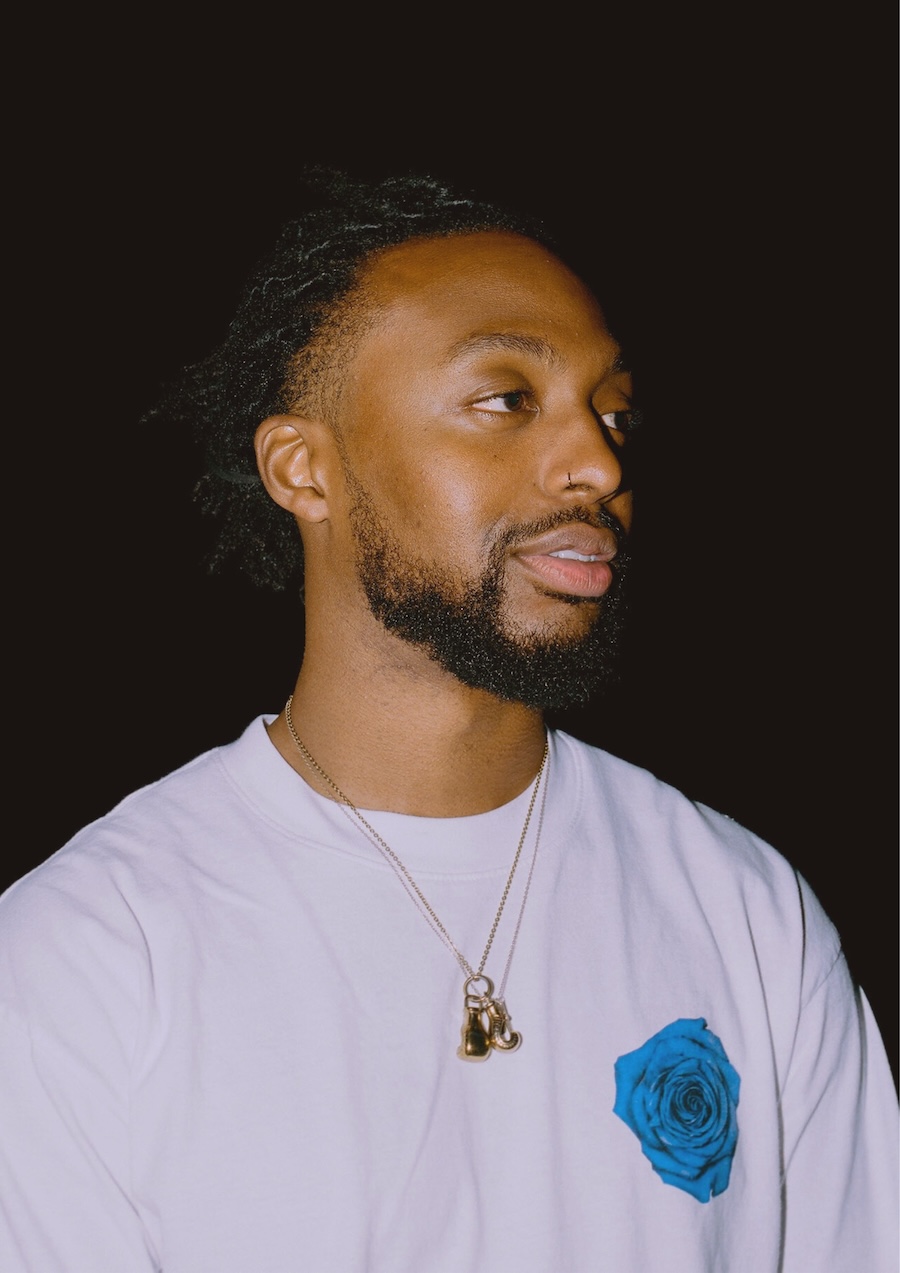
Rickey Larke headshot

Rickey Larke

Class of: 2015

Location: Santa Monica, California

“It was incredible that the College offered these courses, as they helped me better understand both the world and myself.”

What have you been up to since graduating from Bowdoin?

After graduating, I bought a Greyhound bus ticket to Los Angeles, California, and began working in film entertainment, specifically television. I started my career in the HBO programming department as an assistant. Since then, I have worked as a showrunner’s assistant for ABC on the TV show Black-ish, and as a writer and producer on Grown-ish for Hulu/Freeform and Kenan for NBC.

Why Cinema studies?

I remember looking through the fall class schedule my freshman year and realizing I wanted to take four or five film classes. I was drawn to what the courses were studying and how they explored society and the world through the lens of film. I already knew I wanted to understand TV and film deeply. The first class I took was a gangster film class with Professor Tricia Welsch, one of my favorite classes I’ve ever taken. It helped me understand the development of America in the twentieth century and solidified my interest in cinema. That’s what drew me to cinema studies. I tried not to focus on the area of study itself, just the class descriptions, and I ended up taking so many government and cinema courses that cinema studies became my minor. I also made a documentary at Bowdoin, with Sarah Childress as my advisor, which taught me to understand the world through the lens of the camera. It was incredible that the college offered these courses, as they helped me better understand both the world and myself.

Are there any classes, professors, or experiences that had a lasting impact on you?

Three experiences stand out. I took a documentary film course with Professor Sarah Childress during my senior year. Around that time, I matured past football and began developing an identity beyond athletics. That course changed the way I thought about myself and how I interacted with others. I wanted to be a filmmaker and made a documentary about Ivies at Bowdoin, with Professor Sarah Childress as my advisor. Professor Elizabeth Muther is another professor who had a lasting impact. I took an African American film course with her, and watching those films gave me a deeper understanding of film structure and the world I was living in. It also helped me see perspectives beyond my own background, which gave me confidence and momentum as I entered the industry. I also took Gay and Lesbian Cinema at the 3000 level with Professor Tricia Welsch. I loved watching so many experimental films, which at the time were niche or fringe, but they gave me a foundational understanding of the kind of work I wanted to do. These experiences filled my mind with a cornucopia of ideas that I could speak about thoughtfully, helping me on my career path.

What advice would you give to current students or recent graduates interested in your field?

I would advise taking classes that feel weird or strange, and putting yourself in positions or environments that may feel uncomfortable. You really discover your character when you are pushed out of your comfort zone. I’m so thankful to those professors and the courses I took that didn’t necessarily come naturally to me. Learning to be uncomfortable, trying new things, and going for opportunities even when you don’t know the end goal is essential. Focus on the journey, not the result. Put yourself out there, worry less about the end goal, and you’ll be fine.

Palmer Emmitt headshot

Palmer Emmitt

Class of: 1998

Location: Sonoma County, California

Major(s): Mathematics

Minor(s): Cinema Studies

“Studying cinema within a liberal arts education trained me to think across disciplines and remain a lifelong learner.”

What have you been up to since graduating from Bowdoin?

While I was at Bowdoin, I was on the alpine ski team and served as team captain. After graduating, I spent a year skiing semi-professionally, traveling internationally to train and race. During that time, I also began writing screenplays with my cousin, which led me to apply to graduate school. I was accepted into the MA program at NYU’s Tisch School of the Arts, where I studied for several years. After NYU, I moved to California to pursue a career in the film industry. I spent about nine years in Hollywood, initially doing freelance production work before landing a job as a development executive on the Disney lot. I worked in development for about five years, though none of the projects we developed were ultimately produced, and when my producer lost their first-look deal, the funding for my position ended. During that time, my interest in wine grew from a curiosity into a serious passion. I began taking sommelier training courses at night, writing a wine blog, and traveling internationally for wine-related experiences.

Eventually, I had to decide whether to fight my way back into the film industry or build a career around wine. Around that time, Sonoma State University launched an MBA program focused on the wine industry, so I moved to Sonoma County to pursue my MBA with a concentration in wine business. Shortly after arriving, a longtime friend who is a winemaker invited me to start a winery business together. We began small, initially as a side project while both working at another winery, where I served as marketing director and he was the winemaker. About ten years ago, after the first few vintages of our wine were in bottle and ready to sell, we left our jobs to focus on our winery full time. We now lease a small winery and vineyard and continue to run the business together.

Why cinema studies?

I took a first-year seminar during my first semester at Bowdoin, which was taught by an English professor but was focused on romantic comedy films, mainly screwball comedies of the 1930s and 1940s. I was a math major and initially chose the course because I did not want to take a reading-heavy English seminar, but I quickly fell in love with the films we studied and the process of analyzing them. So second semester, I took my first official cinema studies class from Professor Welsch and absolutely loved both her and the coursework. I ended up taking nearly as many cinema studies courses as I did math courses, even though cinema studies wasn't offered as either a major or minor at the time. Professor Welsch’s passion for the subject was contagious, and her teaching fundamentally shaped how I think about storytelling and creativity. Studying cinema studies within a liberal arts education trained me to think across disciplines and remain a lifelong learner. Both entertainment and wine draw equally from art, science, culture, history, and business, and my education gave me the fluency to move comfortably among all of them. That foundation made it possible to build meaningful work in more than one creative industry.

Are there any classes, professors, or experiences that had a lasting impact on you?

Professor Tricia Welsch had an enormous influence on my path, especially during the first decade after graduating. We have stayed in touch over the years, and I still value that relationship deeply. One of my favorite academic experiences was an independent study I completed with her. I have always loved comedies, having grown up watching movies like Airplane! and Blazing Saddles with my grandmother, probably at an age when I should not have been. For the independent study, I proposed analyzing parody and spoof films, including several Mel Brooks movies. Some of the films were new to her, which made the project a true collaboration where we learned from each other. It was a joyful experience, and I appreciated being able to laugh while engaging deeply with my education. She even visited me at the winery a few months ago, which was wonderful and a reminder of how meaningful those connections can be.

What advice would you give to current students or recent graduates interested in your field?

From my experience in the film industry, one of my biggest challenges early on was finding work after earning my master’s degree. If you are serious about working in film, whether on the business or creative side, my advice is not to waste time. Move to Los Angeles or New York, say yes to opportunities, and get to work doing anything you can. The business rewards hustle more than talent. There is an incredible creative energy in LA, and the people I met early on in my time there have become lifelong friends and collaborators. One piece of advice I wish I had followed myself is to take the lowest job at the best place possible. Insert yourself into the environment and see where it leads. Years ago, Professor Welsch connected me with a Bowdoin student who I helped get an interview at Creative Artists Agency. He joined their agent training program, became an agent, and has gone on to have a successful career on the business side of media. Seeing that happen was incredibly rewarding and reinforced how important it is to take initiative early, put your head down, and trust the process.