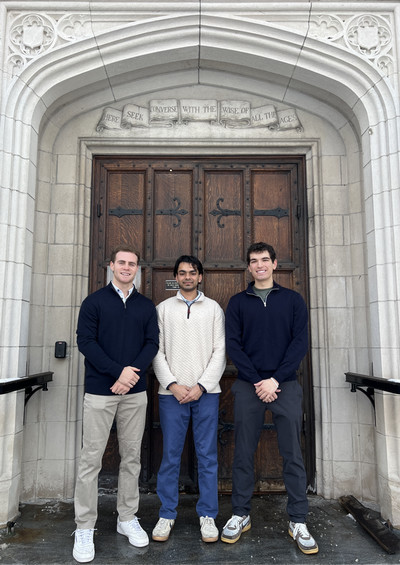
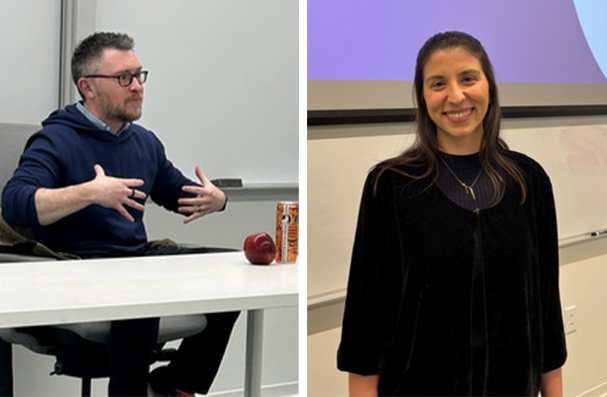
The Bowdoin College Board of Trustees has granted tenure to seven faculty members on the recommendation of the board’s Academic Affairs Committee.

Economics: Martin Abel is an applied microeconomist specializing in development, labor, and behavioral economics. His research investigates barriers to employment, particularly gender discrimination and the obstacles job seekers face in labor markets. Using field and online experiments, he evaluates labor market policies such as reference letters, wage subsidies, vocational training, and behavioral nudges designed to assist job seekers. He conducts much of this work in collaboration with local governments in South Africa, Rwanda, Morocco, Saudi Arabia, and Mexico. His recent research also examines how artificial intelligence is reshaping consumer and labor markets. Abel came to Bowdoin in 2022, having previously taught at Middlebury College. He earned his PhD from Harvard University in 2017 and an MPA in international development from Harvard Kennedy School in 2010. In 2008 Abel was awarded a diploma in economics from Friedrich-Schiller University of Jena, Germany.
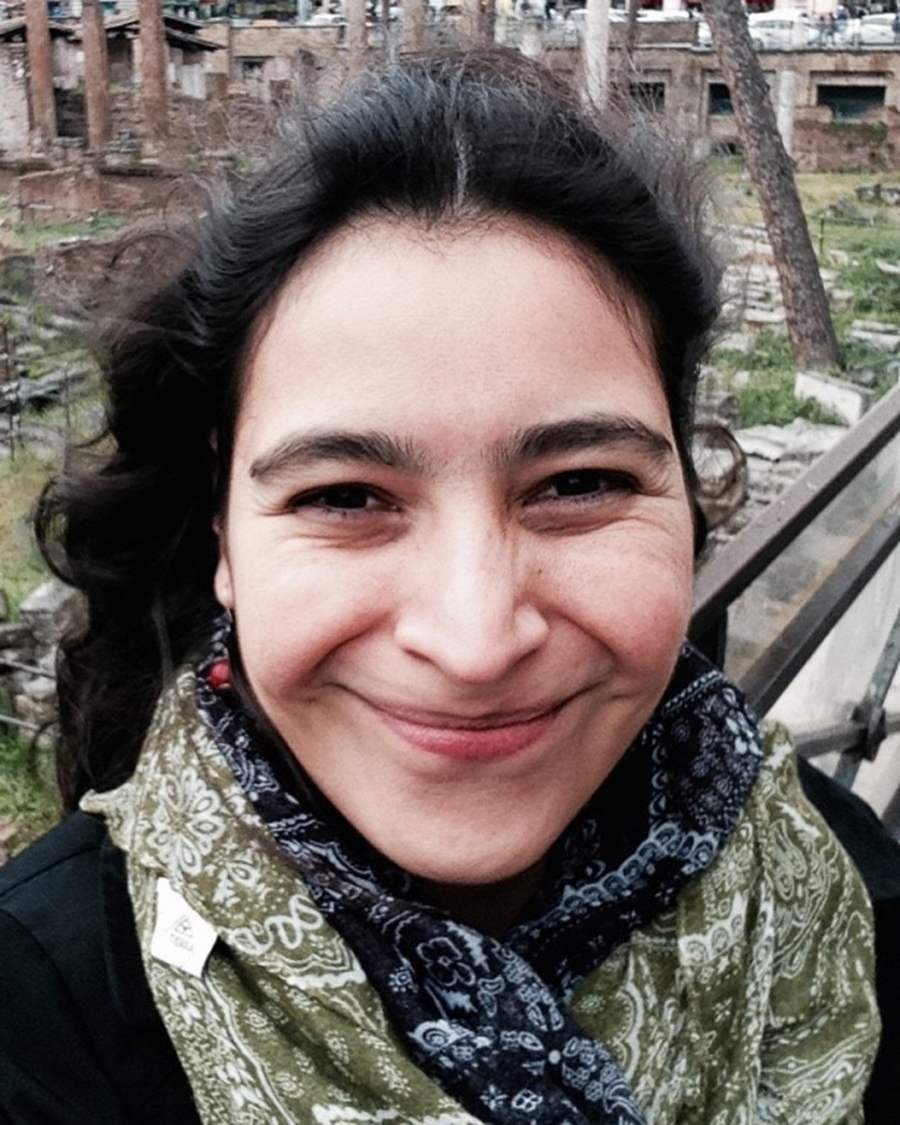
Music: Ireri Elizabeth Chávez-Bárcenas is a musicologist specializing in the cultural and sonic landscapes of early modern New Spain, with a particular focus on vernacular song traditions across Spanish-speaking territories in the Americas throughout the sixteenth and seventeenth centuries. Her research integrates historical and anthropological methods with the study of literature, religion, and early music paleography to investigate how the performance of vocal music in public festivals is informed by constructs of race, social hierarchy, and structures of power in viceregal societies. Her upcoming book, Sounding Race, Identity, and Devotion in Puebla de los Ángeles (Oxford University Press), together with a companion recording by La Boz Galana and Concerto Scirocco on the recording label Outhere Music, is expected in 2026. Chávez-Bárcenas earned her doctoral degree from Princeton University in 2018 and attained master’s degrees in music and in religion from Princeton and Yale.
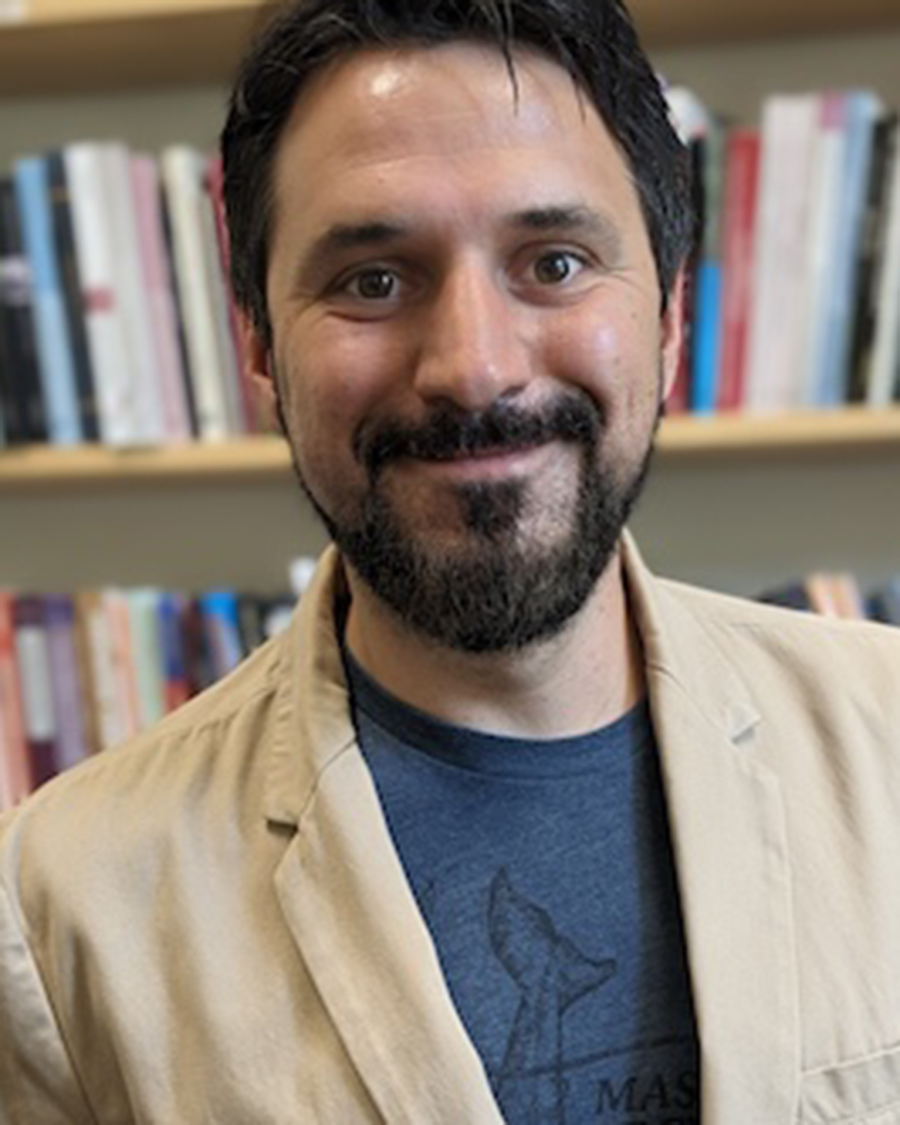
History: Javier Cikota teaches Latin American history from the fifteenth century to the present, and his courses often look at how historical events had different impacts on the people living through them depending on gender, race, and wealth. His classes explore concepts of race and national belonging and issues of power and legitimacy, while paying attention to areas at the margins of empires and nations. Cikota’s research centers on how states establish legitimacy in frontier spaces, incorporating issues of legal literacy, gender dynamics, and nationalism to social and political history. His 2025 book, Frontier Justice: State, Law and Society in Patagonia, 1880–1940, looks at how European settlers and Indigenous peoples in Patagonia learned to use the institutions and agents of the Argentine state to practice citizenship while being excluded from formal politics. Cikota came to Bowdoin in 2018 after earning a PhD and master’s from UC Berkeley.
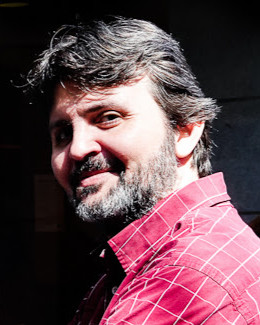
Digital and Computational Studies: Fernando Nascimento is a scholar of digital and computational studies with a background in philosophy and software engineering, researching the intersections of digital technologies and ethics. One of his projects focuses on how systems based on artificial intelligence and the Internet of Things can be designed, developed, and applied to measure and alleviate human deprivations. He is also researching how an AI tool could provide updated information on social indicators of developing regions. He is on the advisory committee for the Hastings Initiative for AI and Humanity at Bowdoin. His latest book, Digital Poetics: A Ricoeurian Approach to Digital Technologies, published last year with Bloomsbury Academic, discusses how ethical deliberation must be part of any technology development. This semester he’s teaching two classes: The Internet of Things and Technology and the Common Good.
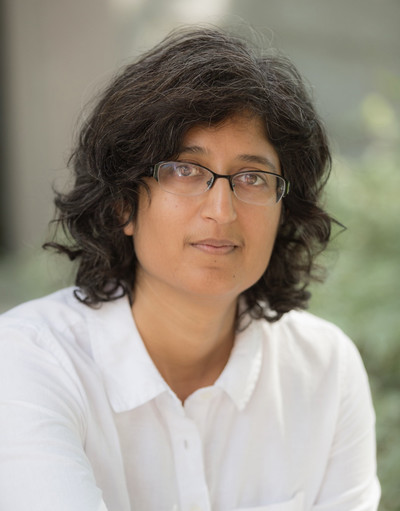
English: Samia Shabnam Rahimtoola is a scholar of modern American literature and culture with a focus on literary engagements with environmentalism, imperialism, and gender and sexuality. Her recent work attends to literary and social practices that offer alternatives to mainstream frameworks of environmental thought, such as rugged individualism, crisis and apocalypse, and the enframing of nature as resource and service. Her scholarly monograph, Poetry from Spaceship Earth: Empire and Ecology in Post-1945 American Poetry, is forthcoming on University of Iowa Press’s Contemporary North American Poetry Series. The book draws on Black and postcolonial studies to argue that postwar US poetic experimentation was driven by resistance to a then-emerging paradigm of knowing and managing nature. She has also published a chapbook of poems with Belladonna Collaborative. In 2025, she was awarded the Sydney B. Karofsky Award for pre-tenure faculty.
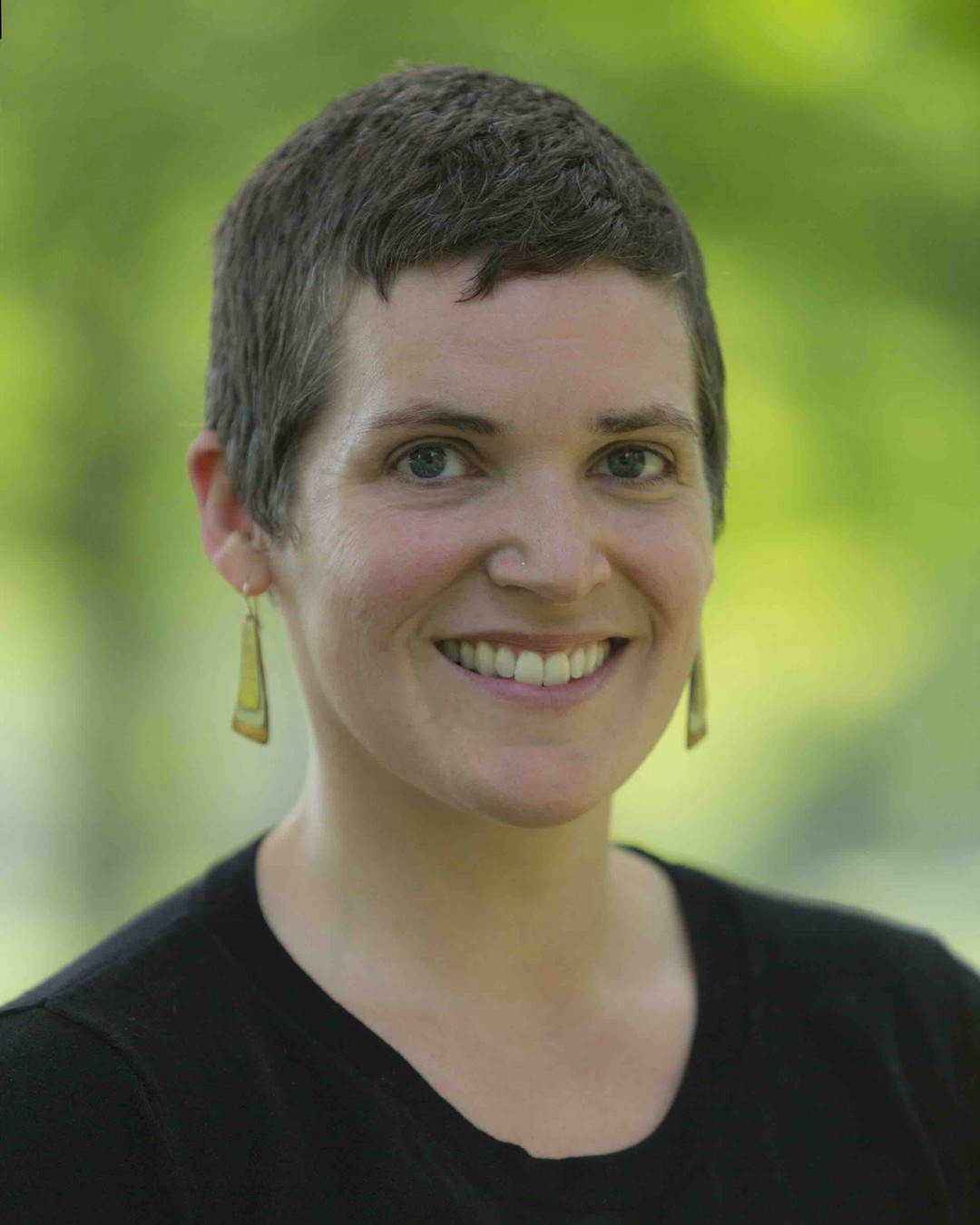
Biology and Environmental Studies: Mary Rogalski studies how environmental impacts, including pollution and climate change, impact freshwater ecosystems. Maine lakes are getting saltier from road salt and also increasingly from the sea, as climate change pushes saltwater inland. “Salt,” she says, “is a fascinating pollutant: toxic at high concentrations but capable of causing micronutrient limitation and osmotic stress at low levels.” Rogalski is finding evidence that both extremes drive natural selection in zooplankton populations, looking at one of Maine’s saltiest lakes, Sewall Pond, where rapid evolution has even tracked year-to-year salinity fluctuations. Building on this, she’s examining the eco-evolutionary ripple effects of adapting to Maine’s salinity landscape. This semester Rogalski’s teaching a class called Ecotoxicology, examining how pollution impacts ecosystems and human health, and one called Prove It: The Power of Data to Address Questions You Care About, which also tackles environmental concerns.
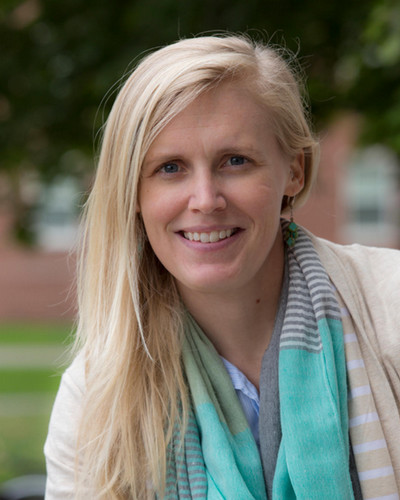
Government and Legal Studies: Maron Wein Sorenson is a scholar whose research and teaching interests focus on American politics and institutions more generally. Specifically, she examines multiple areas of judicial politics—including strategic behavior, the separation of powers, and decision-making at the US Supreme Court. In short, she investigates what the Supreme Court does and why its justices behave the way they do. A recent paper she authored explores the separation of powers and focuses on when and how the US government’s political branches can constrain the Supreme Court. To this end, Sorenson teaches courses that approach these questions, such as Judicial Politics and Constitutional Law. Sorenson arrived at Bowdoin in 2016, having earned her PhD and bachelor’s degree at the University of Minnesota. In a previous life, she taught English literature at schools in the UK and Atlanta, Georgia.