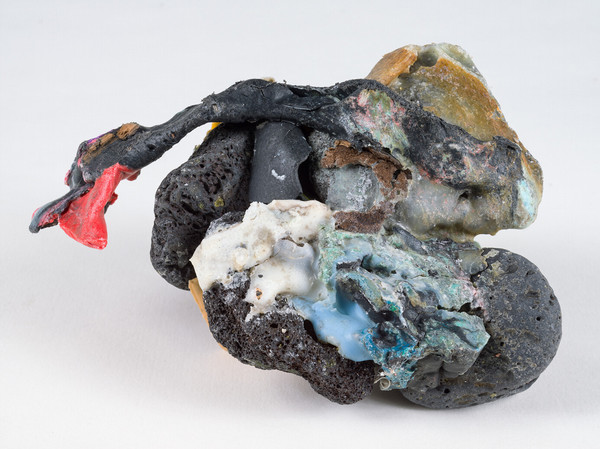
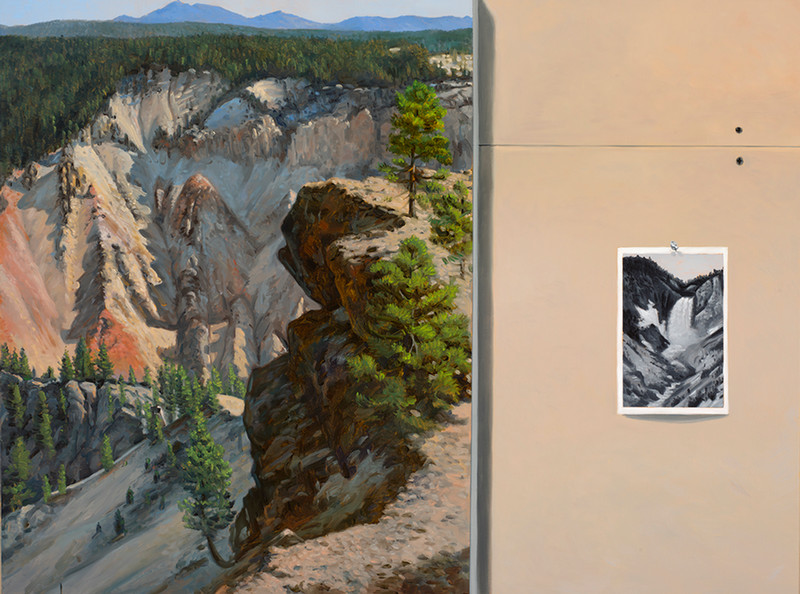
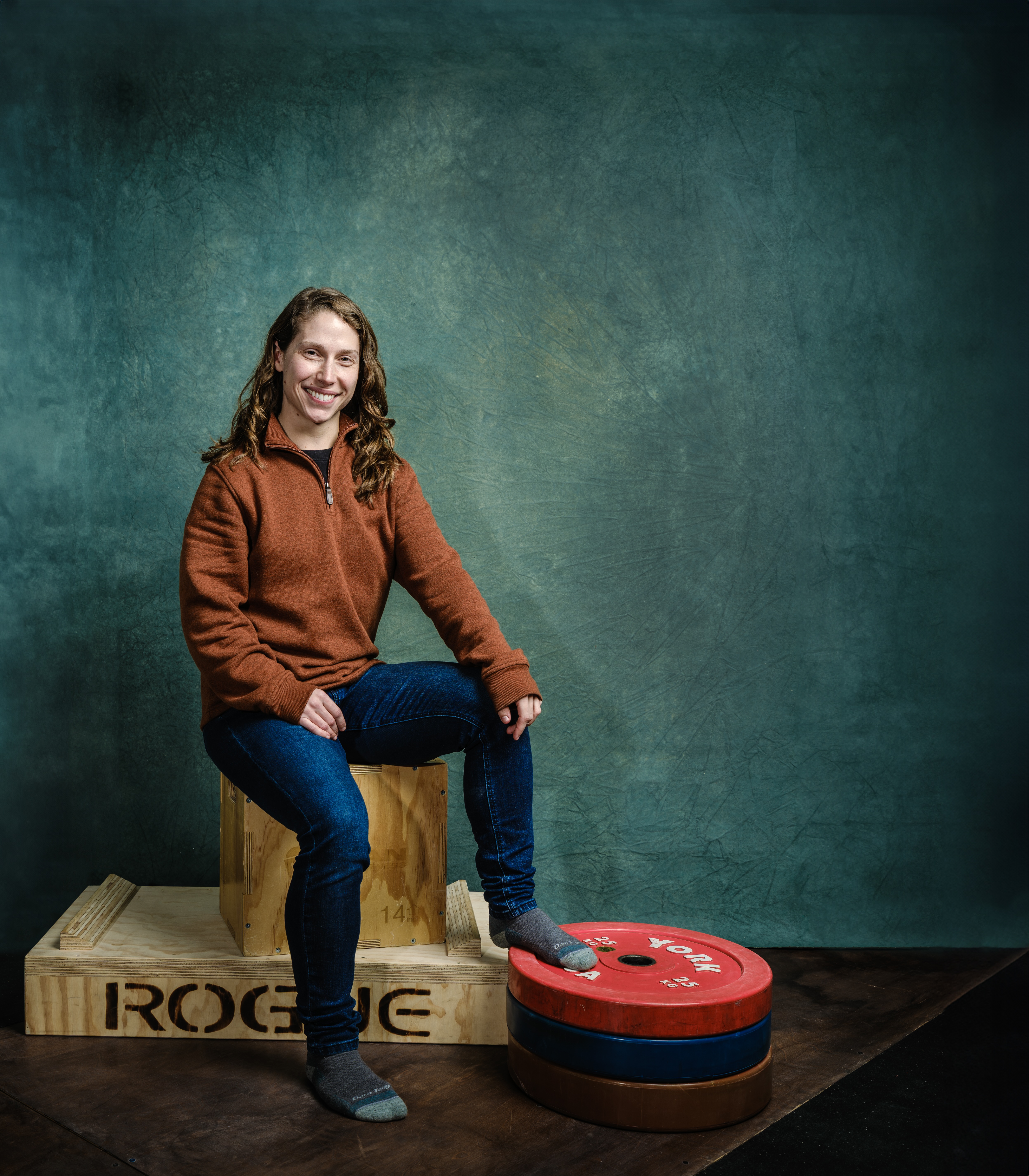
Elsbeth Paige-Jeffers ’10 has a day job in university administration and a side venture as a world champion masters weightlifter.
Tell me about your path to weightlifting.
I have always been a competitive athlete, with sports playing a central role in my life and identity formation. I rowed and wrestled in high school, rowed and played rugby at Bowdoin, and pursued other sports, such as horseback riding, throughout my youth. In 2015, my partner at the time and I moved north from Portland, Maine, to her tribe’s reservation so she could begin a job there. While north, she and I played for a Canadian rugby side and took CrossFit classes in St. John, New Brunswick. That commute became burdensome, so we switched to a key club in our area and continued to play rugby in Canada. The key club was rather typical of rural Maine; with our keys, we had 24/7 access to a space with equipment, but with no regular staff or coaching, and certainly no frills.
During this time, I began following Catalyst Athletics’ free daily programming for Olympic weightlifting. Catalyst Athletics is one of the best teams in weightlifting, and I enjoyed having a structured athletic pursuit in addition to rugby. Word spread in our small town of a woman weightlifting in the tiny key club, which led to my introduction to my first coach. He had been a serious weightlifter in his day, and he was hoping to coach an athlete who wouldn’t quit due to the demandingness of the sport. I worked with him briefly and medaled in my first meet after only three months in the sport. When I separated from my partner and thus relocated, I began working remotely with a second coach out of New Hampshire. I trained by myself from a variety of locations, sending video to my coach when appropriate. I also tracked my food very seriously, weighing my food and logging my macronutrients so I could be as lean as possible. It took an incredible amount of discipline to both train alone and cut bodyweight, and I ultimately relocated to New Hampshire to eliminate the first challenge.
I continued to have success in the sport, competing at the national level for my second competition and ultimately winning my fourth competition in January 2020 in a heavier weight class. After that, I returned to training in isolation, spending long sessions in my partner’s basement so I could continue to hit my training volume during COVID. When I eventually relocated back to Maine to begin working with my current coach, I felt my late entrée into the sport and the impacts of COVID had set me back, but I have grown immensely as an athlete during the four years I have worked with that coach.
During my time with York County Barbell, I have qualified for the senior national championships four times as a master’s athlete. Master’s athletes are thirty-five-plus years old, whereas senior nationals is an open age category competition. I am a master’s national and world champion, and I have put twenty-five kilos onto my total. Competition is both demanding and rewarding, and the day-to-day dedication required for weightlifting provides me with meaningful structure and aspiration.
How did your career/day job unfold?
I worked in the art field for several years upon graduating from Bowdoin, having earned a double major in visual art and French. I was a graphic designer for L.L. Bean. During that time, I returned to school to earn credits that would enable me to earn a clinical PhD in psychology, hoping to work in higher education and conduct research. That pursuit ultimately led me to earn a second undergraduate degree, master’s degree, and graduate certificate from the University of Southern Maine (USM), during which time I also worked for a research project at USM’s Muskie School of Public Service. I left USM when I moved north with my former partner, both working for her tribe and as a private public policy consultant. With my master’s, I began working part-time as a professor at USM, teaching online and coaching CrossFit and weightlifting.
From my varied experiences, I learned that I enjoyed working in academia. I enjoy intellectual pursuit and appreciate having colleagues who think and feel similarly. When planning my move to New Hampshire to work with my second coach, I applied to work at Southern New Hampshire University, where I was ultimately hired and continue to work today. I began in a student-facing role and now work from home on the “back end,” as it were, providing project management, quality assurance, and technical support for all our online course content. I also serve on our university’s Equity Committee and in other working groups that focus on the intersection of formal learning and equity, diversity, inclusion, and belonging.
Are there ways that your sport and your job complement each other? What do you find inspiring, rewarding, or challenging about either/both?
My sports and work all involve a degree of discipline and dedication. Generating high-quality course content requires academic thoughtfulness and rigor, while success in weightlifting requires physical awareness and grittiness. Committing to the demanding elements of these pursuits creates space for the joyful and serendipitous elements. Research might be tedious, but learning can be ecstatic. Difficult training can be draining, but competition is exhilarating. I qualify myself as a disciplined person and enjoy moving through meaningful challenges. I take pride in the way I approach a challenge, not merely in the outcome, and I feel this degree of long-term commitment contributes to my professional and personal satisfaction.
What brought you to Bowdoin?
I wanted to attend a small school in a more rural setting; I was not interested in a dispersed city campus, classes taught by teaching assistants, or a detached university community. I’m from New England and love our seasons, so I applied to schools in the Northeast that had both strong academic and rowing programs. I chose Bowdoin somewhat by instinct, forgoing other small colleges to which I’d been accepted because Bowdoin felt like a better fit, especially in the way the college embedded itself in the context of Maine.
I learned to love and appreciate Bowdoin more and more each year I attended. I loved my classes and made good friends I keep to this day. I loved rowing for Bowdoin Rowing and later fell in love with rugby by playing for the Bowdoin Women’s Rugby Football Club.
Beyond these very central pursuits, I fell in love with Maine, staying in the state for years after graduating and ultimately returning. I came to appreciate all the extracurricular offerings and small communities that formed within the college. I loved the beauty of the campus in the fall and the solace of winter. I felt incredibly enriched by the visual arts community, including fellow students, professors, and staff at the museum who made it easy to completely immerse myself in the consideration and creation of art.
As a high-schooler, I couldn’t conceive of the ways that Bowdoin would enrich me, and I often wish I had the maturity to more deeply appreciate the Bowdoin community while I was a student.
Are there ways that your academic or extracurricular work at Bowdoin has come into play in your life or career?
Participating in rowing and rugby at Bowdoin sustained my lifelong love for competitive sports. The Bowdoin community’s passion for the outdoors has also deeply impacted my relationship with nature and outdoor sports.
Academically, I was a double major in visual art and French, and in my senior year I pursued an honors project whereby my work in the French department and my creation in the visual art department interacted in ways that felt holistic, enriching, interconnected, but also even burdensome. I felt the weight of the muses very saliently, as it were. Experiencing the totality of this interrelation empowered me to consider my life as an artist and academic. I ultimately decided that I did not want to be a working artist, and I do not know that I could have made that decision without the freedom to create art using my own process that art majors were given during our senior year, nor without the freedom to research and write that my French honors project offered.
Is there something about your work or life that others would find surprising?
I have experienced the presumption that, as a woman in strength sport, I agree with the transphobic direction sports regulation and legislation has been taking as of late. Trans women are women, and they belong in all sports, including strength sports. Weightlifting in particular has been described as the ultimate individual sport; there is no opponent as in ball or combat sports, nor even a collaborator such as a horse in equestrian sports. I want everyone to perform to the best of their abilities and to win because of my own merit, not because someone else has underperformed or been excluded.
Is there something about YOU that others might find surprising?
I have a green thumb, and I name my indoor plants. I still have two plants dating back to college, named Morpheus and Sunshine Starburst (nicknamed Planty). I also have a large garden and greenhouse (which my partner built!) where I grow food including squash, pumpkins, potatoes, herbs, and more!
What do you enjoy doing in your spare time?
In addition to weightlifting, I backwoods ski, horseback ride, and enjoy outdoor sports including hiking, backpacking, paddleboarding, and snowshoeing. I’ve recently taken my first surfing lesson! I especially love adventuring with my partner and two dogs. I travel frequently, oftentimes for weightlifting competitions, recently returning from my thirty-second country (not including the US). It’s important to me to travel ethically with regard to both cultural engagement and carbon offsetting. I also read quite a bit and make art (predominantly painting) when I can.
Best Bowdoin memory, or most-lasting lesson from your Bowdoin days?
In Maine, if you want to see a shooting star, simply find the nearest body of water and look up at the night sky. I used to frequent Mere Point with my best friend during our college days, and the beauty of Maine and the sublimeness of the firmament ceaselessly inspire me.
I deeply value the ability to be still in nature that Maine offers, and I recall so fondly the time I spent doing so during college and the ways in which Bowdoin enabled us to “count nature a familiar acquaintance.”
This story first appeared in the Winter 2026 issue of Bowdoin Magazine. Manage your subscription and see other stories from the magazine on the Bowdoin Magazine website.