Alumni and Careers

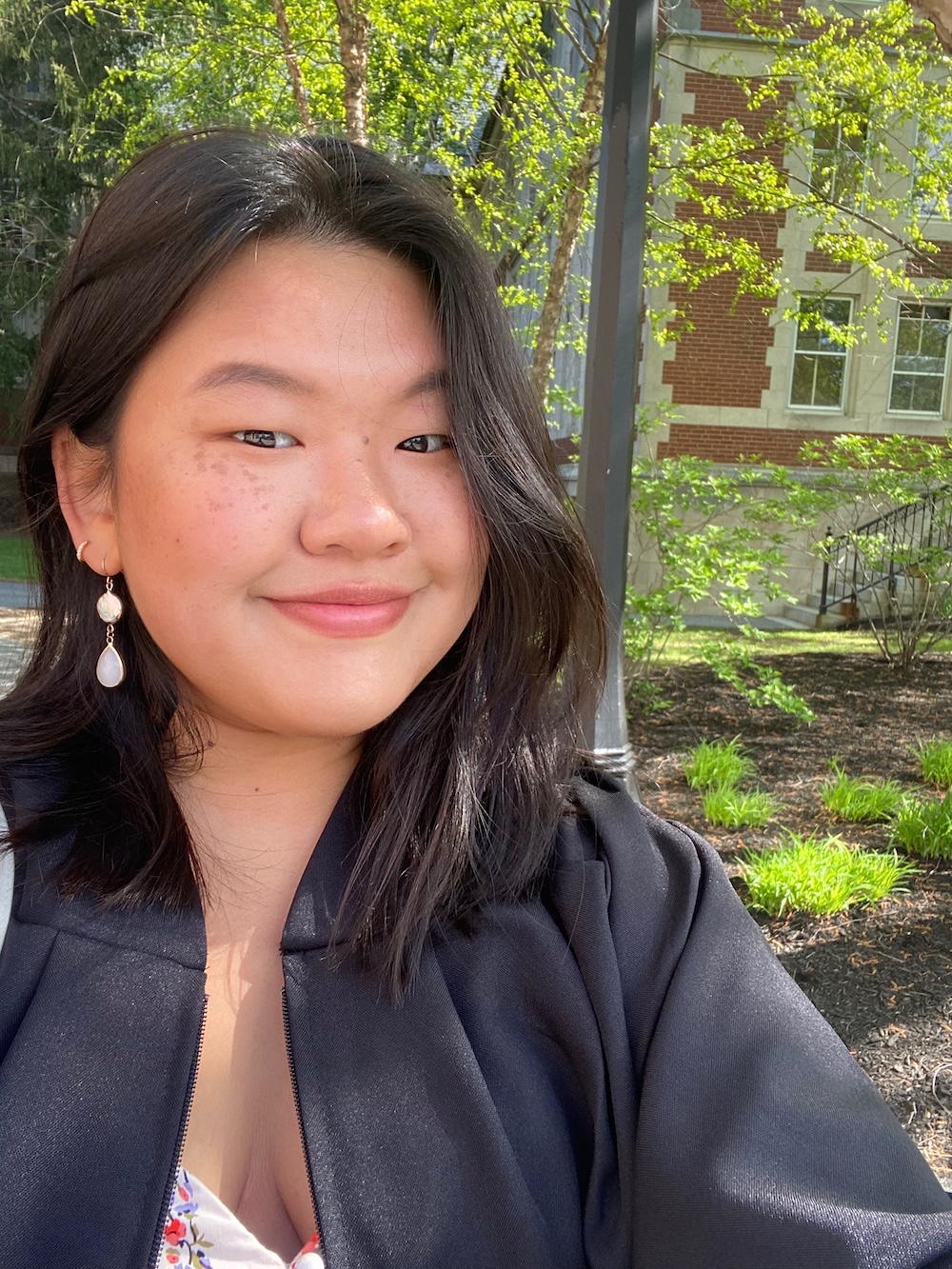
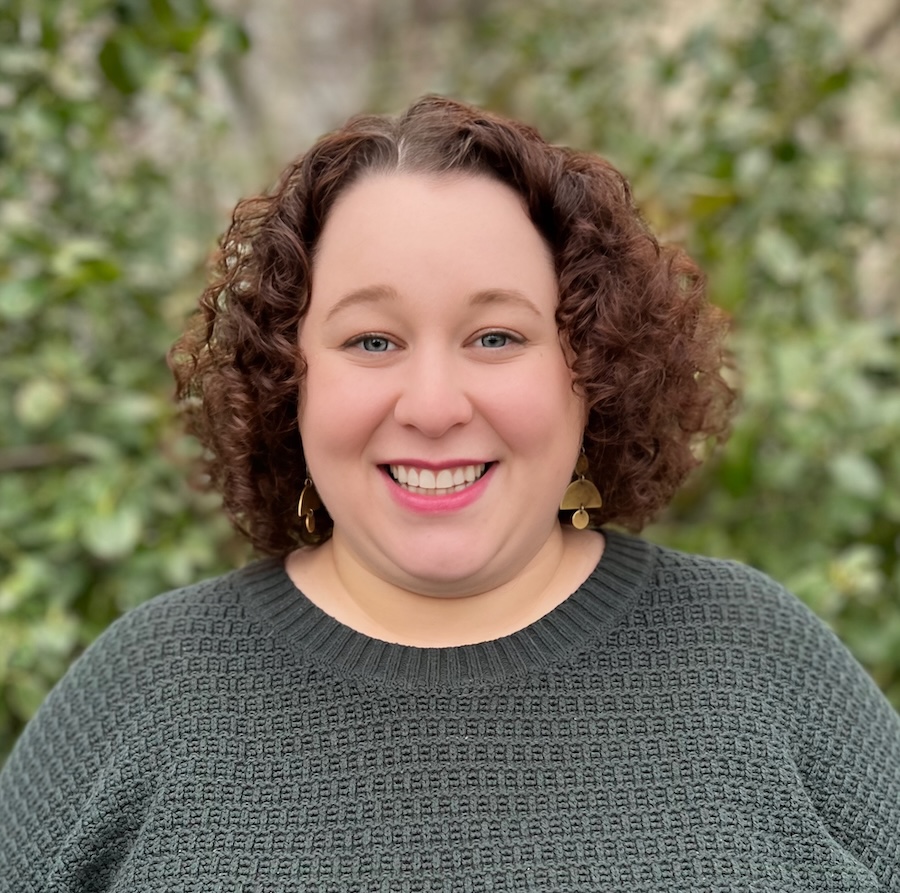
Esther Park headshot

Esther Park

Class of: 2023

Location: New York City, New York

Major(s): Sociology

“This was the type of opportunity I could only have at a small school like Bowdoin, which encourages its students to actively take part in shaping not only our own education, but also the experiences of future students at the college.”

What have you been up to since graduating from Bowdoin?

I’m currently at Columbia University working toward my MFA in creative nonfiction. I hope to become a writer, critic, and professor. Recently, I’ve been given the opportunity to design and teach my own six-week noncredit course for the Columbia community!

Why sociology?

I write personal essays and cultural criticism pieces that put societal structures and individual narratives in conversation with one another. How are the roles in my family shifting as I step into adulthood? Does capitalism make our relationships more transactional? What do we teach young men and women about consent, both in the home and in classrooms? I use my sociological imagination to ask and (attempt to) answer these questions, but now with a more creative and accessible vocabulary and structure.

Are there any classes, professors, or experiences that had a lasting impact on you?

In my senior year, I was able to serve as a student interviewer for the sociology department’s new faculty hiring process. As someone who also wants to teach at the university level, it was very fruitful for me to hear candidates explain their teaching philosophies and how they aim to create equitable classrooms where students of various intersectional identities can learn to the best of their abilities. This was the type of opportunity I could only have at a small school like Bowdoin, which encourages its students to actively take part in shaping not only our own education, but also the experiences of future students at the college.

What advice would you give to current students or recent graduates interested in your field?

Take Theory (SOC2030) early! And get excited about its applications to modern-day issues. It was one of my favorite classes in the major, because it gave me a rich toolkit of lenses and theories to use in every other class.

And ask for help! It’s really not embarrassing. Like at all. I promise.

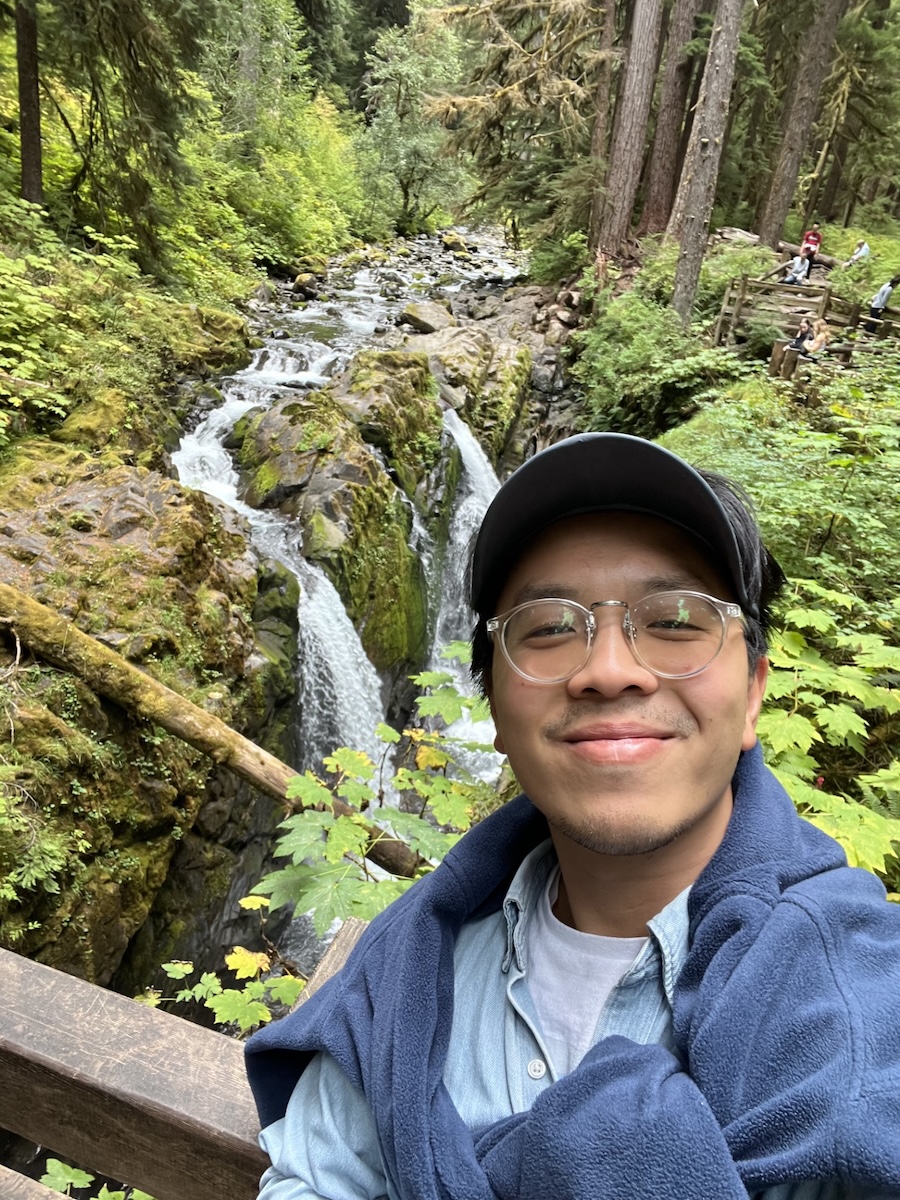
Simon Chow headshot

Simon Chow

Class of: 2019

Location: Los Angeles, California

Major(s): Sociology

“Sociology empowered me with the research abilities, tools, and language to advocate for me and my peers who felt out of place at a prominently white institution like Bowdoin.”

What have you been up to since graduating from Bowdoin?

Since graduating from Bowdoin, I worked as a part-time college counselor and teaching assistant at my former elementary school in Chinatown, Los Angeles, in 2020. From 2021 to 2022, I attended the Harvard Graduate School of Education and received a master’s in human development and education. From 2022 through August 2025, I worked as an assistant director at University of Southern California’s Office of Undergraduate Admissions, and I am now a seasonal admissions reader at Caltech.

Outside of work, I play shooting guard in a men’s league in Chinatown, LA, volunteer as a college admissions specialist and panelist for the Chinatown Public Library’s Get Ready for College! programs, and I am currently the youngest board member of the Friends of the Chinatown Library.

Why sociology?

I remember taking Professor Theo Greene's Introduction to Sociology course and thinking to myself, “This is what I want to learn, and this is how I want to learn.” That course introduced me to Black thinkers and sociologists who helped me understand and articulate my struggles as a first-generation college student of color. Professor Brian Purnell's The Wire course was also fascinating and informative, teaching me how to observe media with a critical lens and reflect on the urban development and decay of America's cities, including my hometown of Los Angeles. Professor Ingrid Nelson's Research Methods class gave me the tools and confidence to write my senior thesis, which examined the lived experiences of first-generation, low-income students of color attending elite institutions through the lens of Pierre Bourdieu's theory of social and cultural capital. These courses and professors showed me how sociology, alongside education, can empower people to better understand the world and become advocates for themselves, their peers, and their communities.

My time as a student director at the Center for Multicultural Life also shaped my experience at Bowdoin. I remember hosting events for first-generation students of color and preparing home-cooked meals to create a more welcoming space. I met so many friends and allies through this work, some of whom I still keep in touch with today!

What advice would you give to current students or recent graduates interested in your field?

Sociology is a very versatile subject. I’ve met people with this major working in admissions, tech, government policy, nonprofits, and community organizing. At the end of the day, organizations are composed of people in a society, and sociology studies that. The key is to make room for nuance, develop your ability to interpret policies and procedures, and understand that human relationships are the foundation of any organization. Otherwise, read and do your homework. Funny coming from someone like me who slacked a bit during my time at Bowdoin. If you believe that the work you do is meaningful, you’ll figure it out.

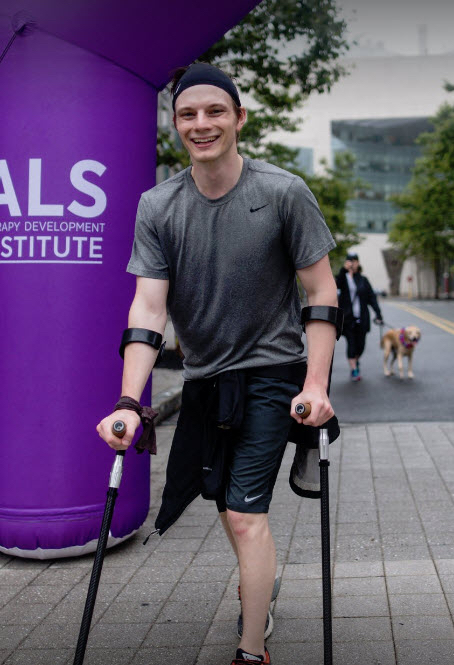
Evan Baughman headshot

Evan Baughman

Class of: 2017

Location: Boston, Massachusetts

Major(s): Sociology

“Studying sociology at Bowdoin gave me a unique set of skills that has noticeably set me apart from most who work in finance and advertising.”

What have you been up to since graduating from Bowdoin?

I'm currently an Account Associate at EMI Strategic Marketing, a small marketing/consulting agency in Boston. I work on an account for a large financial services company as a member of a social media team. My role is largely concerned with managing, measuring the effectiveness of, and making recommendations for our client's social media presence.

Why sociology?

Studying sociology at Bowdoin gave me a unique set of skills that has noticeably set me apart from most who work in finance and advertising. Most notably, majoring in sociology equipped me with the skills necessary to comfortably situate particular complex problems within a larger structural framework of understanding and feel comfortable handling large sets of data. Both frequently come in handy in marketing. It also goes without saying that learning how to effectively write about people's actions and behaviors with accuracy and nuance is a valuable asset in analyzing markets and purchasing behaviors.

Sociology has immeasurably impacted how I view and experience the world by elucidating overarching social structures that are active everywhere, constantly influencing the lives of myself and others. Moreover, sociology has also given me an especially valuable, macroscopic perspective that has proven useful in finding my place in the world post-Bowdoin.

Are there any classes, professors, or experiences that had a lasting impact on you?

I have many fond memories of Professor Greene's course on the classics of social theory. What I appreciate the most about this class is that I was exposed to a wide breadth of influential social theory that has irreversibly changed my worldview and incessantly informs how I interpret current events. The course was also especially challenging at times, which made me a more skilled social thinker.

What advice would you give to current students or recent graduates interested in your field?

The most significant general advice that I can give to a student of sociology at Bowdoin is to embrace your sociological imagination and continue to cultivate it inside and outside of the classroom. Possessing an attuned sociological imagination will prove useful in many unexpected places and provide you with an incredibly valuable and rewarding way of seeing and experiencing the world. Also, start learning how to network successfully as early as possible.

Symone Howard headshot

Symone Howard

Class of: 2015

Location: Washington, D.C.

Major(s): Sociology

“Your education and unique experiences, when applied professionally and socially, contribute to the common good beyond Bowdoin.”

What have you been up to since graduating from Bowdoin?

I graduated from Bowdoin in 2015. Since then, I have earned a master's degree in city and regional planning from Georgia Tech, and I currently work for the federal government as an environmental protection specialist.

Why sociology?

My interest in people, our social and cultural practices, and how we function both individually and in community drew me to sociology. Combined with my other major in environmental studies, I was able to connect these practices to the natural and built environments. This ultimately led me to pursue a master's degree in city and regional planning, as I was interested in the intersection of people and the spaces we inhabit.

Are there any classes, professors, or experiences that had a lasting impact on you?

I especially enjoyed classes with Professors Nancy Riley, Shaun Golding, and Gregg Beckett.

What advice would you give to current students or recent graduates interested in your field?

My advice to current students and recent graduates is to remember that your voice is needed at the table.

Michelle Wiener

Michelle Wiener

Class of: 2014

Location: Boston, Massachusetts

“Sociology helps us understand individual experiences, including our own lives, in the context of structures, institutions, and systems.”

What have you been up to since graduating from Bowdoin?

When I graduated in 2014, I knew I wanted to be in the nonprofit sector doing social justice work. My first job out of college was working at GLAD Law: GLBTQ Legal Advocates & Defenders, and I was there for four years. I had the opportunity to support GLAD’s impact litigation and public policy work in New England and throughout the country. I got to work on Obergefell v. Hodges, the Supreme Court case that won nationwide marriage equality, and be part of a lot of other exciting cases and legislative campaigns.

I really missed working directly with young people, which was something I had done before Bowdoin and continued during my time at Bowdoin through Fostering Female Leadership in Youth (FFLY). My sociology courses and experience in Peer Health at Bowdoin also got me interested in adolescent health and development. I went back to school to get my master’s in public health at Johns Hopkins, and since then I have been in the youth development field.

I have led a few different youth programs, mostly in the areas of youth leadership and youth community organizing. Most recently, I was the director of program development and impact at BAGLY, the Boston Alliance of LGBTQ+ Youth. I oversaw the development, growth, and evaluation of BAGLY's programs and managed the AGLY Network, a statewide coaliton of LGBTQ+ youth groups.

Outside of work, I live in Boston and remain close to many people I met at Bowdoin. That network and those relationships are still very important to me.

Why sociology?

I double majored in sociology and government & legal studies. I came to Bowdoin with a sense that I might want to study sociology, although I was not entirely sure what it was. I had a strong feeling that it would be the right fit. I took an introductory sociology course with Professor Ingrid Nelson during my first semester, and immediately I knew it was exactly where I wanted to be and what I wanted to learn.

What drew me in at the time, and continues to resonate with me now, is the sociological imagination. It encourages us to think critically about how systems are created and sustained and how they can become oppressive or marginalizing, and it equips us with tools to intervene and dismantle those systems.

Sociology aligned with my interests in the interconnectedness of social issues. It gave me the ability to apply sociological frameworks and methodologies to topics I cared about, including education and the justice system. Courses like those I took with Professor Craig McEwen on criminology and the sociology of law were foundational in shaping how I think about the world. They helped me understand the role of race, class, gender, and sexuality in society, and gave me empirical tools to analyze social systems and structure.

Sociology fundamentally changed the way I think and understand the world. The skills I gained helped guide me into public health. Much of my youth development work has focused on helping young people build critical consciousness as young advocates and change-makers. Even when the content is not explicitly sociology, a sociological approach is foundational to how I understand and teach complex issues. These foundations guide how I support young people in making sense of the challenges facing our world.

Are there any classes, professors, or experiences that had a lasting impact on you?

Absolutely! Professor Ingrid Nelson was my advisor, and I took a number of classes with her. Sociology of Education was probably my favorite, and it was really important to me as someone interested in working with youth. I see the impact of Professor Nelson's teaching and mentorship all the time. She taught me to think like a sociologist, which has made me a better professional and a better person. She also supervised my independent research in LGBTQ+ communities, which helped jumpstart my career.

I was also fortunate to take classes with Professor Craig McEwen before he retired. He inspired my commitment to justice system reform and advocating for an end to mass incarceration. Starting with a college internship at the Maine Volunteer Lawyers Project, I have had opportunities througout my career to provide legal services and support people who are incarcerated.

What advice would you give to current students or recent graduates interested in your field?

As an undergraduate, I often sensed skepticism from peers and adults about whether it was possible to build a stable career in nonprofit or social justice work. When I graduated, I got my first nonprofit job, and almost fifteen years later, I am still in the field. 

The nonprofit sector is a real professional sector with its own challenges, complexities, and strengths. There are many opportunities for people who want to use what they learned at Bowdoin to address social issues directly. Bowdoin’s advising resources related to nonprofit work have grown, and even though the alumni network is not enormous, it is strong and filled with people willing to support students.