The Emerging Fellowship program is run by the Roosevelt Institute, a nonprofit think tank which, among other things, runs a network of student initiatives aimed at bringing “the legacy of Franklin and Eleanor Roosevelt into the twenty-first century.”
The program is part of the institute’s wider Roosevelt Network, which prepares students for careers as policymakers and public servants through undergraduate fellowships.
According to the institute, the Emerging Fellowship brings together students to participate in programming with mentors, policy experts, and peers while developing the skills needed to shape debates about the economy and democracy. At the end of their fellowship, Emerging Fellows produce a policy brief published by the Roosevelt Institute.
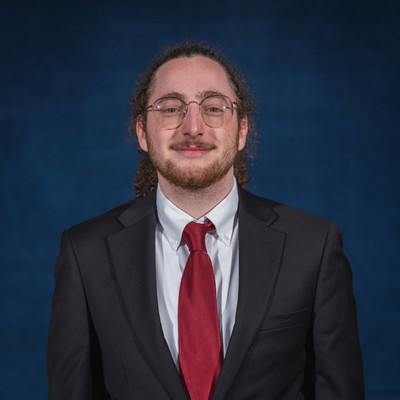
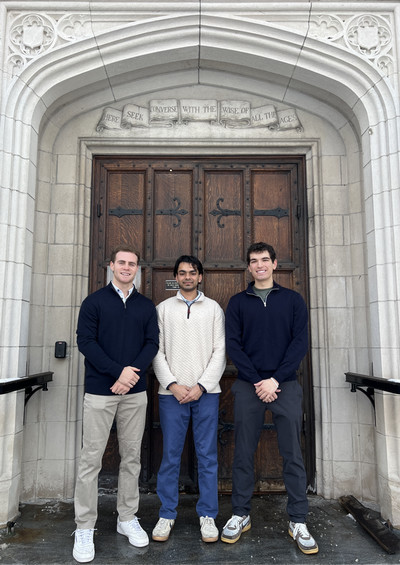
“I am excited to integrate my academic and policy interests to produce a large-scale policy paper probing into issues of economic security in communities close to my heart,” commented Rossin, a government and history major.
For his fellowship, Rossin plans to investigate how to combat long-term economic insecurity in Portland, Maine.
“My initial ideas revolve around restructuring city investment away from AI, for example, and instead toward workers and other, more sustainable, industries, but I imagine my project will broaden as I research,” he added.
“I really value the Roosevelt Network and its commitment to a government that works for everybody, and I am looking forward to continuing that work as an Emerging Fellow,” said Sherrick, who is majoring in government and economics.
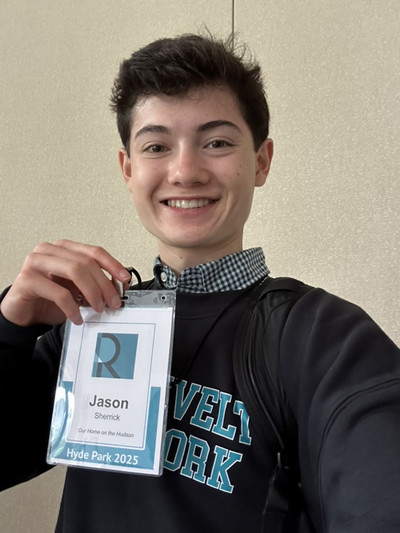
In his fellowship, Sherrick plans to explore how legislatures can limit the corrupting influence of money in elections and politics.
Rossin and Sherrick are both returning fellows at the Roosevelt Network, having previously taken part in a couple of the institute’s other undergraduate programs:
- Last summer, Rossin was a fellow with the Roosevelt in Washington program, which offers undergraduates in the middle stages of their college careers an immersive experience in the policy and advocacy work shaping debates in the nation’s capital.
- Both Rossin and Sherrick have also taken part in the Forge Fellowship, the network’s entry point for first- and second-year undergraduates beginning to explore public policy and progressive ideas.
“Strengthening our democracy will require leaders who see themselves as agents of change and who are ready to build the ideas needed to make it real,” said Eric A. Paul, deputy director of the Roosevelt Network, in a statement.