How did your career unfold?
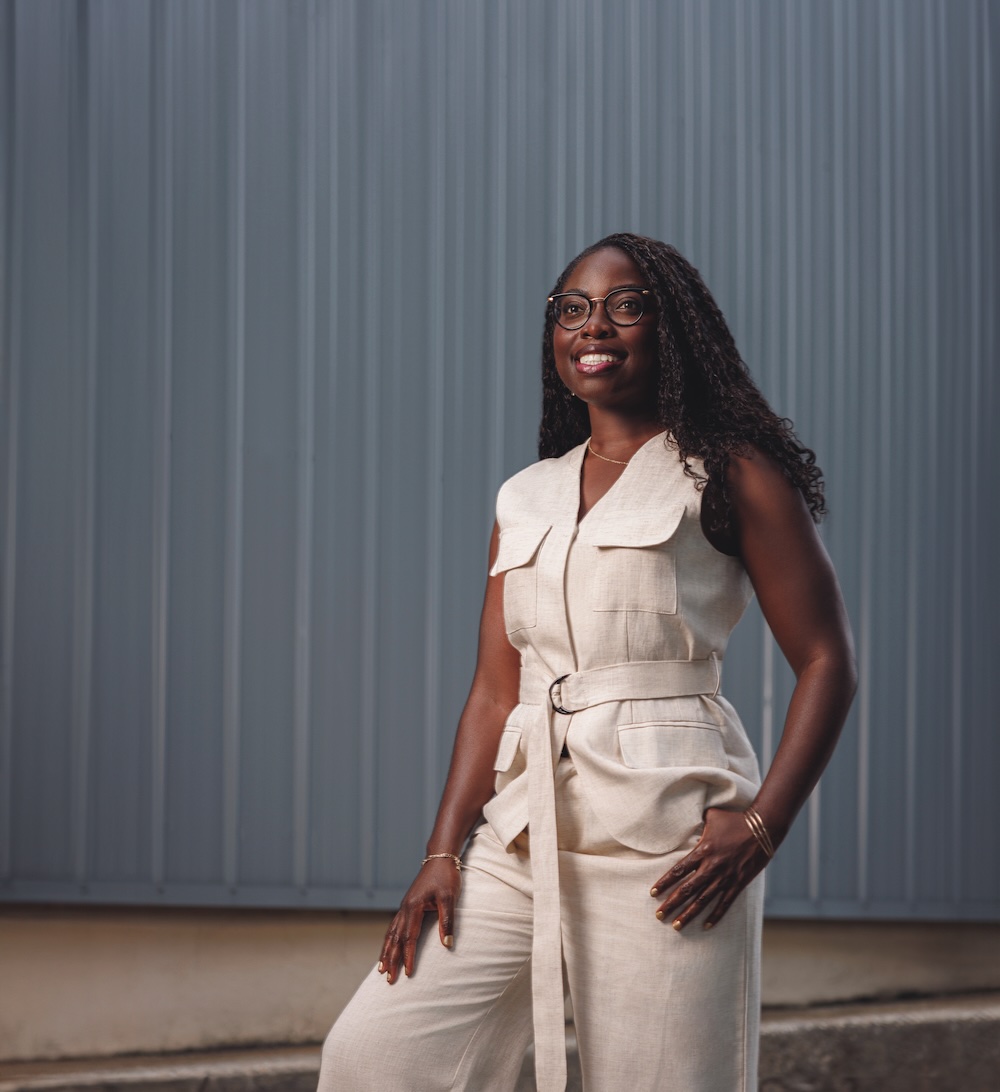
Growing up in Ghana, west Africa, there was a common understanding of what success looked like: become a doctor, an engineer, or a lawyer. In many developing countries, where economic stability can never be taken for granted, the appeal of such careers was simple—they were always in demand and offered a reliable income. For me, doing well in school naturally translated into becoming a doctor. The interesting thing is that I had very little exposure to what being a doctor meant. By the time I arrived at Bowdoin College, the path seemed clear. I entered as a premed student and gravitated toward the sciences, taking biology, chemistry, and physics courses. Each summer, I sought opportunities related to science and health care. My Bowdoin health professions advisor (Sue) was instrumental in helping me find meaningful experiences during summer breaks.
In my junior year, I participated in a summer enrichment program at the University of Connecticut. The program exposed me to a variety of health professions and, for the first time in my life, I saw a dentist at work. Something clicked immediately. As a child, I loved fixing things. I enjoyed working with my hands, solving problems, and seeing tangible results. Watching dentistry in action combined science, technical skill, and service in a way that deeply resonated with me. At Bowdoin, I applied to dental school during my last year at Bowdoin and embarked on career journey in dentistry.
You speak about the importance of dental care to health care overall and to a fundamental quality of life. Tell me about that.
The mouth is the gateway to the rest of our body. For example, chronic gum disease, or periodontitis, has been linked to conditions such as diabetes, heart disease and stroke. The bacteria that cause gum disease can enter the bloodstream and contribute to inflammation throughout the body. We also know the relationship works both ways. Poorly controlled diabetes can worsen gum disease, and treating gum disease can help improve blood sugar control. Dentists are often the first health care professionals to identify signs of serious conditions such as oral cancer, herpes simplex virus infections, autoimmune diseases, nutritional deficiencies, and even early manifestations of HIV can all present in the mouth before they are recognized elsewhere. Beyond these medical connections, tooth decay and gum disease are among the most common causes of chronic pain worldwide.
When your mouth hurts, it affects everything—your ability to eat, sleep, work, and even enjoy everyday moments. If chewing is painful because of cavities, missing teeth, or infection, people often avoid healthier foods and choose softer, more processed options. Over time, that can affect overall health and well-being. Our smile is one of the primary ways we communicate with others. When people are embarrassed by their teeth, have chronic bad breath, or are experiencing visible dental problems, they may avoid smiling, speaking, or participating in social situations. This embarrassment can affect confidence, self-esteem, and mental health just as much as physical health.
For children, the impact can be even greater. Dental pain is one of the leading reasons children miss school. It can affect their ability to learn, sleep, eat properly, and develop speech. Something as simple as an untreated cavity can have ripple effects on a child’s development and future opportunities.
As a public health dentist, I also think a lot about access. Dental disease disproportionately affects people with fewer resources because dental care is often separated from the rest of healthcare and may not be covered adequately by insurance. This creates a cycle where those who need care the most often face the greatest barriers to receiving it. It’s a two-way street an unhealthy mouth can affect our overall health and the quality of our lives whether its poor access of few resources can affect our teeth.
How does that relate to the establishment of your oral health promotion company?
One of the things I realized during my career is that dentistry is largely structured around repairing damage after it occurs. We fill cavities, treat infections, and replace missing teeth. While these services are important, most dental diseases are largely preventable. This is what led me to create First Smile Global. It’s really a healthy mouth initiative focused on prevention and education.
Prevention requires long-term behavior change, and changing human behavior is much harder than filling a cavity. Knowing what to do is not the same as doing it consistently is the challenge. Through social media and community engagement, I share practical tips, reminders, and information that help people take care of their mouths before problems develop. I am still learning. Trying to understand how people can create habits. A lot of habit formation starts when we are younger, and many people may not have had that foundation from the start even with resources available.
Today, brushing and flossing are often viewed as chores. Something people know they should do but frequently put off. Yet when you think about it, many of our daily habits happen automatically. We put on clothes before leaving the house. We check our phones multiple times a day. Many people exercise because it has become part of their identity and lifestyle. I want healthy mouth habits to become just as automatic.
As a public health dentist, I've seen firsthand the consequences of poor oral health, and I've also seen how difficult it can be to reach people. Dentistry has historically met people in dental offices, but many people don't regularly visit a dentist. The question became: how do we reach people where they already are? On social media, in schools. In workplaces. First Smile Global is my attempt to bridge that gap.
My hope is that oral health becomes part of the broader public conversation about health and wellness. When people begin to understand that the mouth is connected to the rest of the body, it becomes easier to advocate for better policies, stronger insurance coverage, improved access to care, and greater investment in prevention.
At its core, First Smile Global is about helping people recognize that caring for their mouths is not separate from caring for their overall health. If we can shift the culture so that healthy mouth habits become a normal part of daily life, we can prevent disease, reduce suffering, and help people live healthier, more confident lives.
What do you find rewarding, exciting, challenging about dentistry?
As a public health dentist, what I find most challenging about dentistry is that it remains inaccessible for far too many people, even though dental disease is one of the most common health conditions in the world.
Millions of people struggle to access dental care because of cost, limited insurance coverage, transportation barriers, provider shortages in rural and underserved communities, and the competing demands of everyday life. In many places, dental coverage is still treated differently from medical coverage, even though we know the mouth is connected to the rest of the body. As a public health dentist, that disconnect is frustrating because so much dental disease is preventable when people have access to education, preventive services, and routine care.
Another significant challenge is dental anxiety. Many patients carry memories of painful experiences, embarrassment about the condition of their mouths, or fears about cost and treatment. In my TEDx talk, I discuss the role community-based dental health workers or Healthy Mouth Champions that can help people view oral health differently. Trusted community members can often reach people in ways healthcare systems cannot. The challenge is that these types of programs are still relatively limited and are often found only in community clinics and health centers.
What I find most rewarding is the relationships. One of the privileges of dentistry is that I get to see many of the same patients year after year. I get to witness their lives unfold from children, struggles, and successes. Over time, you become part of their life journey. A large part of my day involves listening to people and understanding their lives. Before I ever look in someone's mouth, we're often talking about their family, work, stress, challenges, and goals. Many of the patients I serve are balancing financial pressures, caregiving responsibilities, demanding jobs, or personal hardships. Being able to meet people where they are, listen without judgment, and help them improve their health is incredibly fulfilling.
I enjoy restoring teeth and treating disease, but what keeps me passionate about the profession is the opportunity to build trust, reduce suffering, and helping people feel healthier, more confident, and more empowered in their everyday lives.
Are there ways that your academic or extracurricular work at Bowdoin has come into play in your life or career?
In many ways, some of the most important ideas that shape my career today were first introduced to me at Bowdoin. One of the most influential classes I took was a sociology course called Illness and Society (or something close to that title). At the time, I knew I was interested in healthcare because I wanted to help people and treat disease. What I hadn't fully considered was that disease isn't only shaped by biology. It's also shaped by the environments people live in, the opportunities available to them, and the resources they can access. That class introduced me to the idea that society itself can contribute to both disease and health. We often think of curing disease through medicine, surgery, or other treatments, but we can also prevent disease by addressing the conditions that create it in the first place. That realization was a major "aha" moment for me. The disease we see in the dental chair is often connected to circumstances that exist far beyond the dental office.
Bowdoin also strengthened my ability to write and communicate. As a dentist, public health advocate, TEDx speaker, and founder of First Smile Global, I spend a significant amount of time translating complex health information into language that people can understand and act upon. The writing and critical thinking skills I developed at Bowdoin continue to serve me every day.
I joined the American Red Cross Club. It was so fun organizing it and see students come to our blood drives to literally give a part of themselves to the service of others.
What are you most proud of in your career? How about outside of work?
One of the things I’m most proud of in my career is being able to reduce barriers to care and bring dental services directly to people who might not otherwise receive them. One of the most meaningful experiences I’ve had was working with a mobile dental clinic that traveled to schools to provide care for children. In my small way I am implementing what I learned sitting in that sociology classroom at Bowdoin. With the mobile clinic, I wasn’t just treating cavities. I was helping remove some of those barriers. Instead of expecting families to find transportation, miss work, or navigate complicated systems, we brought care directly to where children already were.
Outside of work, I am most proud of my volunteer efforts in Ghana. As someone who spent part of my childhood in West Africa, returning to serve communities there has been especially meaningful. I work with a nonprofit organization that helps provide dental care to individuals who may otherwise have little or no access to treatment, and I plan to return this year.
When I reflect on what I’m most proud of, it’s knowing that throughout my career I’ve been able to combine clinical care with service, advocacy, and prevention and hopefully leave the communities I serve a little healthier than I found them.
What brought you to Bowdoin?
My introduction to Bowdoin was somewhat unexpected. While I was in high school, I attended a summer program at Phillips Exeter Academy. During that experience, I met a student who was involved with Bowdoin, and we spent some time talking about her experience. I don’t remember all the details of the conversation, but I remember being intrigued enough to make a mental note of the school and add it to my list of colleges to explore.
At the time, I had only been back in the United States for about two years. That transition was exciting, but it was also challenging. I was still building my social network and trying to find my place so the idea of attending a small liberal arts college was especially appealing to me. What attracted me to Bowdoin was the sense of community. I felt that a smaller school would give me the opportunity to form meaningful relationships with schoolmates and professors rather than getting lost in a large university setting. I wanted a place where I could grow academically while also finding a sense of belonging. Bowdoin’s academic reputation was another major factor. As one of the top liberal arts colleges in the country, I knew it would challenge me intellectually and open doors in the future.
What inspires you?
“The Offer of the College” continues to resonate with me today. The invitation to be curious, to appreciate nature and art, to learn from others, to build friendships across different backgrounds, and to cooperate toward common goals is really an invitation to continual growth. I am inspired by the ongoing process of becoming and the privilege of witnessing that process in others. It is one of the reasons I love dentistry. On the surface, people may think dentistry is about fixing teeth, but what I find most rewarding is witnessing transformation. A patient who is finally free of pain or able to eat comfortably again. A patient who smiles confidently for the first time in years. A child that adopts healthier habits and prevents disease before it starts. I am fascinated by the possibility that individuals, communities, and even entire systems can change for the better.
Is there something about YOU that others might find surprising?
One thing people may find surprising is that I was born in New York but spent about ten years of my childhood living in Ghana before returning to the United States. I've now lived in the US for more than twenty-five years, yet I still get asked, "Where are you from?" Patients ask me. Colleagues ask me. New acquaintances ask me. It's a question I've become very familiar with. What's interesting is that when I'm in the United States, people often see me as Ghanaian. When I'm in Ghana, people often see me as American. From the outside, it can sometimes seem as though I don't fully belong in either place. However, my experience has taught me something different.
I don't feel like I belong to either place, I feel like I belong to both. I am Ghanaian. I am American. And after spending much of my adult life here, I'm a Jersey girl. Growing up between cultures has shaped how I see the world. It has taught me that identity doesn't always fit neatly into a single category. You can carry multiple homes, multiple perspectives, and multiple influences within you at the same time.
In many ways, that experience has influenced my career and my outlook on life. It has made me comfortable navigating different communities, listening to different viewpoints, and finding common ground between people. Whether I'm working with patients in New Jersey, volunteering in Ghana, or speaking about public health, I often find myself moving between worlds and translating experiences across them.
I also think this feeling is more common than people realize. Many people have lived in one place while carrying deep roots somewhere else. They understand what it feels like to belong and not belong at the same time. There can be a tension in that experience, but there is also a gift. You learn to see the world from multiple perspectives.
Perhaps that's why one line from “The Offer of the College” has always resonated with me: "To be at home in all lands and all ages." As I've gotten older, I've realized that home is not always a single place. Sometimes home is the collection of people, experiences, and values that you carry with you wherever you go. There are many of us who live between cultures, between identities, and between worlds. I have learned that belonging doesn't have to be limited to just one place.
What do you enjoy doing in your spare time?
Much of my spare time revolves around my four daughters, my mom, my brother and spending time with my extended family. One of my greatest joys is experiencing the world through their eyes. We love exploring together, whether that's discovering a new café, spending time at a local park, trying a new restaurant, or simply going on an adventure close to home. My mom loves to cook and we are always trying a new dish. Some of my favorite memories are the ordinary moments that become meaningful because we're sharing them together. I also enjoy traveling and learning about different cultures. I've always been fascinated by how people live, think, and connect across different parts of the world. I hope to do more travel with my daughters in the coming years so they can develop that same appreciation for different cultures and perspectives.
When I have time to myself, I enjoy writing, reflecting and listening to Christian music. Writing has become an important creative outlet for me and a way to process ideas, experiences, and lessons I'm learning. It's one of the reasons I've enjoyed building First Smile Global and sharing health education through social media. I also love being outdoors. Some of my favorite moments are quiet mornings spent walking, thinking, or simply enjoying nature. That appreciation for the outdoors began during my time at Bowdoin and has stayed with me ever since. I'm happiest when I'm growing, discovering something new, and finding ways to better understand the world around me.
Best Bowdoin memory, or most-lasting lesson from your Bowdoin days?
Bowdoin has taught me is to become my own person and to think beyond the obvious answer. I may not have a specific lesson but rather a way of looking at the world. A belief that learning never ends, that people can become more than they are today, and that we each have a responsibility to contribute something meaningful to the communities we serve. Some of my favorite memories at Bowdoin involve the simple moments of community and exploration. I loved being part of the Outing Club. I don't remember exactly where we went, but I do remember getting into a canoe for the first time and traveling out to an island. I also have wonderful memories of my roommates, and those relationships have lasted through different careers, moves, family and all the changes that come with adulthood. Another thing I appreciated about Bowdoin was the campus culture. While I was probably more focused on academics than I should have been at times, I always enjoyed the opportunities to experience music, theater, dance, lectures, and performances whether it was a show at Pickard Theater, an event in Smith Union, or a performance on the Quad.
This story first appeared in the Fall 2026 issue of Bowdoin Magazine. Manage your subscription and see other stories from the magazine on the Bowdoin Magazine website.