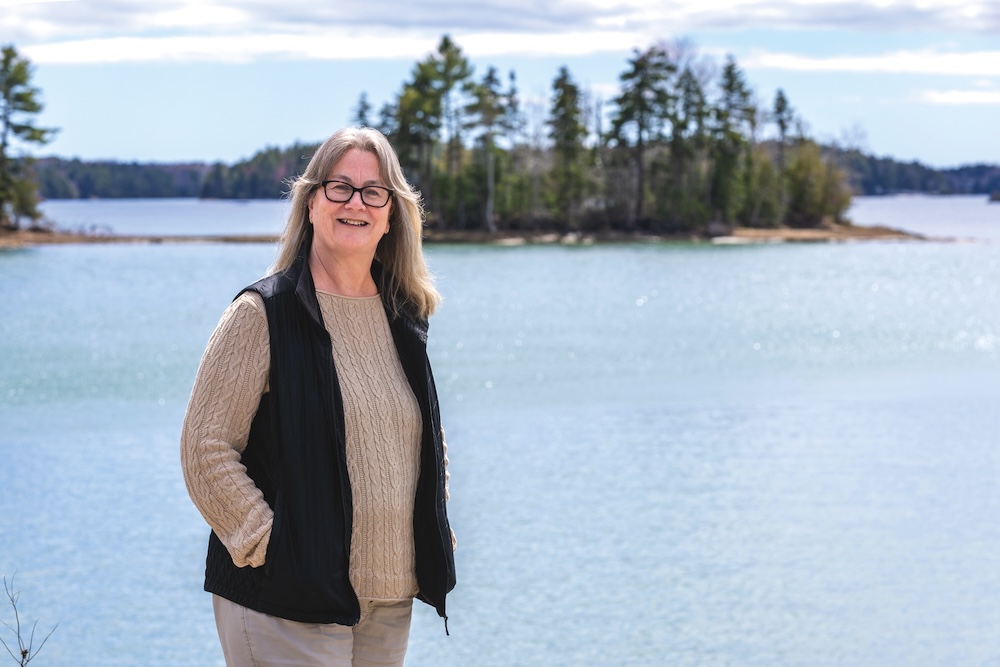
Wayne Burton ’66 wrote a book in 2018 about his experiences as a staff officer and company commander in the Ninth Infantry Division during Operation Speedy Express in 1968–1969 in the Mekong Delta. He realized years later that he had one more chapter to write.
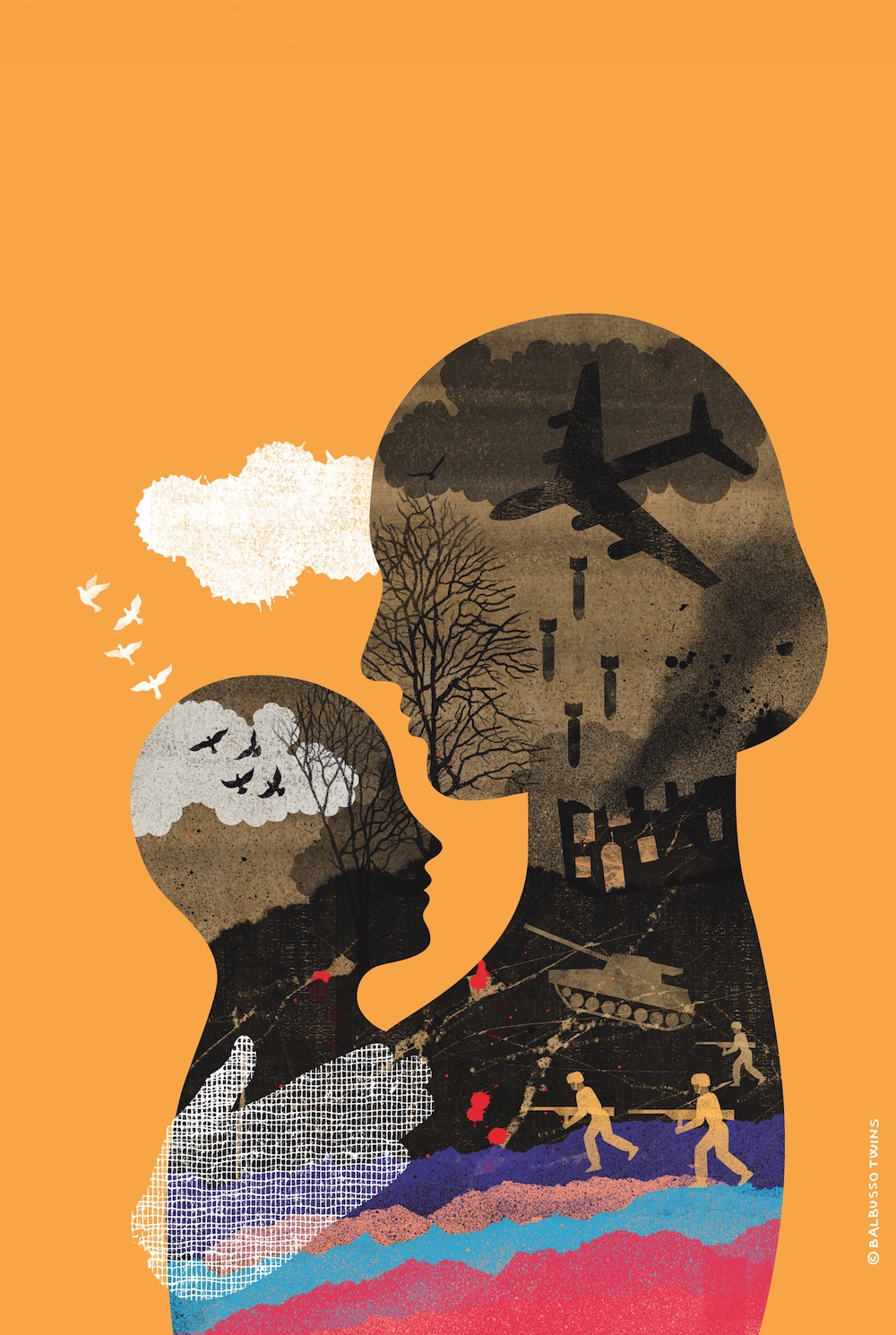
When people learn that I was an officer in Vietnam from 1968 to 1969, they ask me if I’ve ever returned there, especially if they’ve read my book about that time, Wayne’s War. Normally, I would brush off the question for fear of telling the truth, my shame of disclosing that I was complicit in what can be characterized as genocide. In August of 2009, The Washington Post, in the obituary for my commanding general, Julian J. Ewell, reported that of the 10,899 enemy kills my unit, the Ninth Infantry Division, claimed, the Army Inspector General estimated between five and seven thousand had, in fact, been unarmed, innocent civilians. Following my retirement in 2013, I fessed up to that crime during several presentations in various venues, including at Bowdoin.
While I never knowingly shot a civilian, most of my combat was at night, fending off shadows assaulting my sector of the berm protecting Dong Tam, our base on the Mekong River.
I was not alone in my reticence. On learning of my service in Vietnam, folks would often mention a grandfather, father, uncle, cousin, or other acquaintance who had served there during the war. But, to a person, they reported that the individual would not speak of the experience in any detail, a syndrome I had also experienced, until I realized that “truth will out.” The fact is, my reluctance to return to Vietnam and the Mekong Delta came from my fear of looking into the eyes of war survivors and finding hatred for the mayhem we inflicted on what turns out were kind people—hatred I felt was deserved.
Last fall, seeking closure, I booked a trip back to the Mekong Delta, alone, with two purposes: to learn the fate of the orphans we abandoned when the Ninth Division was removed in August of 1969 and to atone in any way I could for the mayhem we inflicted on the people living there. My concern stemmed in part from knowing that many of the two hundred orphans we supported and then abandoned at a Catholic-sponsored facility in My Tho were the children of American GIs and Vietnamese women.
My first stop, to the War Museum in Saigon (the South Vietnamese bridling under Communist domination refuse to call it Ho Chi Minh City), only deepened my guilt.
The crowd encountering the exhibits of what they call the American War in that facility my first day before heading south to the Mekong Delta gave me chills. The first few exhibits froze me in my tracks, especially a poster condemning the indiscriminate use by the Americans of Agent Orange, napalm, blanket bombing, and other horrific weapons that killed in horrible ways so many civilians. Even today, unexploded ordnance amputates limbs, and lingering Agent Orange causes grotesque deformities in newborns.
As I stood there transfixed with shame, I mumbled softly, to no one, that what it said was true. Eyeing the Vietnam veteran’s cap I was wearing, the woman standing next to me looked at me with sympathy, not anger. My first lesson on my trip was learning that the South Vietnamese people are very forgiving, almost grateful, for us trying to free them from the Communism they live with now.
If my guide, Alec, is any indication, they put up with Communism but retain their belief in free enterprise—as evidenced by hundreds of shops selling almost anything one can imagine, from motorbikes to a caramel-like candy made from coconuts. Alec, a youngster during the war, told me that he was with his dad in a truck fleeing south from the final, North Vietnamese push when they were ambushed. He watched his father die.
My first day in the Delta proved relatively easy, as Alec and my driver took me by car to the site of my former base, Dong Tam, west of My Tho on the banks of the Mekong River. It did not surprise me that my former firebase had become an exotic snake farm, literally bottling the oil of snakes as a cure for what ails you, as I had learned its fate from previous visitors.
After spending the night in a My Tho hotel, my second excursion—a visit to a public secondary school—proved more meaningful. After a tour of a series of rooms in which founders and current members of their faculty, staff, and leaders are honored, I got up the courage to ask the young assistant principal showing us around if the Communists dictated the school’s curriculum. The bespectacled administrator declared emphatically, shaking his head, “We teach our students to think for themselves.”
His description of educators who truly educate was reinforced by the incredible spirit I felt when the students invited me to participate in a celebration they had organized to honor their faculty and librarians. As I stood in their midst as they sang songs of joy, a ray of sun hit my forehead. I’m not religious, but I did feel almost blessed. I muttered, “Thank you, Lord, if you are there.”
Following the formal ceremony, students surrounded me, asking questions about colleges in the US and various bands I never heard of, others telling me ways the teen culture in Vietnam resembles that of the US—and doesn’t. Unlike in the US, the school I visited said they encourage the carrying of cell phones. When I mentioned the bell-to-bell ban on cell phones in schools in New Hampshire, I was told that they have incorporated cell phones into their programming.
They saw me off with a rousing farewell led by their principal.
As I clambered into the back seat of my guide’s vehicle, Alec told me, “I think I found what you’re looking for.” Two blocks over, we pulled into what appeared to be a church complex. As we eased to a stop, he pointed at two Vietnamese nuns standing on some steps. He took me to them, introduced me, and announced they had known the nuns I worked with in 1969. They could vouch, he said, for the fact that each of the children had been safely placed, gone on to finish their education, and lived peacefully in the countryside.
In the middle of the group hug that followed, I fought tears of relief. I need not have been so worried. The Vietnamese value children’s lives. And the children value their elders.
I still had two days to go.
The next day, Alec took me to Ben Tre, the city across the Mekong from My Tho, familiar to me as the place one of our units was located during heavy combat in the spring of 1969. There we stopped to tour a museum-like place that honored the Viet Cong we fought against. I had not known when we were fighting but learned there that the commanding general was a woman named Nguyen Thi Dinh. In fact, I was told, about 20 percent of the Viet Cong fighting us were female.
On my final day with Alec and my driver, I headed back north to Saigon, where I would fly out to Hong Kong and home the following day. On our way, Alec advised me that we had one more stop, a visit to the Cu Chi tunnels northwest of Saigon built by the people in that region to protect themselves and those fighting with the VC from the incessant American bombardments from above and on the surface.
When one considers what it took to construct this underground village—complete with a hospital, dining room, bedrooms, and more— with only hand tools, we come closer to realizing how the people of Vietnam had resisted so many other foreign countries so well throughout history. It also tells why they could not be defeated by a conventional, modern military force.
After so many years of trepidation, I flew home with a new perspective, a lighter heart, and a deep respect for the people we had maligned and written off. So many of whom we had killed. The price of arrogance, I thought, is ignorance.
Wayne Burton ’66 is president emeritus of North Shore Community College and has served four terms in the New Hampshire House of Representatives. Commissioned a second lieutenant in the US Army through the ROTC program at Bowdoin, he was awarded three Bronze Stars, two Army Commendation Medals, and a Meritorious Unit Commendation.
This story first appeared in Fall 2026 issue of Bowdoin Magazine. Manage your subscription and see other stories from the magazine on the Bowdoin Magazine website.