Eight Bowdoin faculty members have been named to endowed chairs in recognition of their outstanding accomplishments in scholarship and teaching.
The appointments, which are effective July 1, 2026, were announced by President Safa Zaki in a letter sent to each of the candidates at the recommendation of Senior Vice President and Dean for Academic Affairs Jennifer Scanlon and in consultation with members of the Committee on Appointments, Promotion, and Tenure.
“Endowed chair appointments both honor the exceptional achievements of our faculty and underscore the importance of scholarly and creative work at the College, while reflecting the generosity of our donors,” said Scanlon. “We are proud to recognize these eight faculty members, whose contributions across disciplines enrich the intellectual life of the College.”
PERMANENT CHAIRS
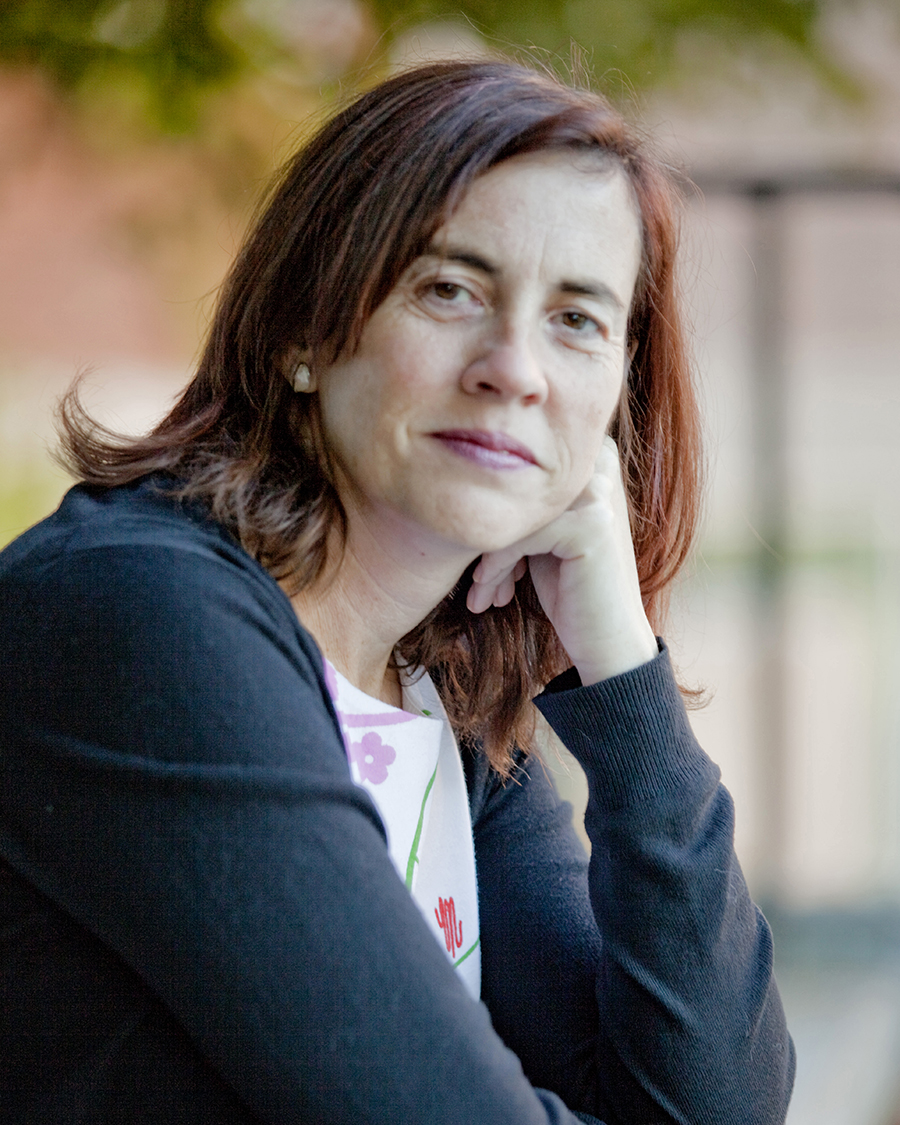
Elena Cueto Asín has been named the Charles Weston Pickard Professor of Romance Languages and Literatures. A specialist in modern Spanish literature, theater, and film, her scholarship examines Spain’s cultural production in national and global contexts, as well as the relationships between literary texts and other media. “My research is guided by an interest in understanding my own attraction to the past, literature, and the arts as sources of joy in the pursuit of knowledge and cultural memory as an impetus for communicating the value and relevance of the humanities,” she said. Cueto Asín is the author of Guernica, en la escena, la página y la pantalla (Guernica on the Stage, on the Page, on the Screen), which explores representations of the Spanish Civil War from 1937 to the present. Her forthcoming article, “Los Perón en España y en la pequeña pantalla: Carta a Eva y Arde Madrid,” will appear in the peer-reviewed journal Anuario del Centro de Estudios Económicos de la Empresa y el Desarrollo. She also contributed “The Author Is a Character: Fictional Embodiments of Galdós in the Twenty-First Century” to Approaches for Teaching the Works of Benito Pérez Galdós (Modern Language Association, 2026). In addition to foundational courses in Hispanic studies, Cueto Asín teaches advanced seminars in Spanish and English, including Romantic Spain, The Spanish Civil War and Cinema, and Contemporary Spanish Theater. She earned her bachelor’s degree from the Universidad Complutense de Madrid and her master’s and doctorate from Purdue University.
The Charles Weston Pickard Professorship was established by Frederick William Pickard, a member of the Class of 1894, in honor of his father Charles Weston Pickard, a member of the Class of 1857 and a member of the board of overseers.
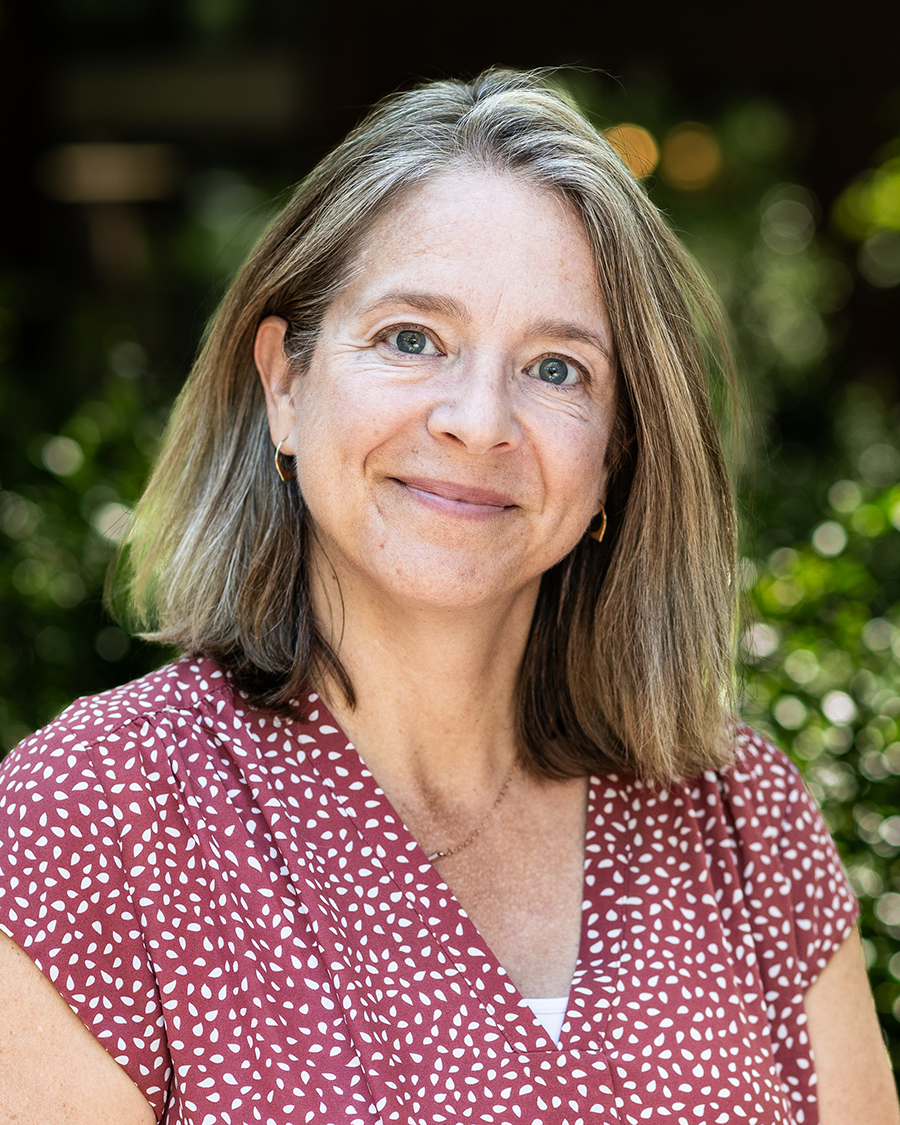
Laura Henry has been named the William Nelson Cromwell Professor of Constitutional and International Law and Government. Her research focuses on environmental and climate politics, social movements, and state-society relations in post-Soviet Russia, and she teaches widely on these subjects and European politics. Henry and her collaborators recently received a grant from the Canadian Social Sciences and Humanities Research Council to study how politically engaged Russian citizens, both inside and outside the country, are working for social and political change under wartime and repressive conditions. Her research team is also preparing a forthcoming Oxford University Press book on Russian environmental, climate, feminist, and LGBTQ+ activists who went into exile after Russia’s invasion of Ukraine. “In the years I have been studying Russian politics, I have been most interested in how different political regimes and rules affect the lived experience of citizens,” Henry said. “There is a fundamental optimism to people who decide to join with community members to get something done, even in an authoritarian regime.” Henry is the coauthor of Bringing Global Governance Home: NGO Mediation in BRICS States, author of Red to Green: Environmental Activism in Post-Soviet Russia, and coeditor of Russian Civil Society: A Critical Assessment. Her work has appeared in journals including Environmental Politics, Global Environmental Politics, Post-Soviet Affairs, and Europe-Asia Studies. Her research has been supported by the Fulbright program, the Social Science Research Council, and the International Research and Exchange Board. She earned her PhD and MA at the University of California, Berkeley, and her BA at Wellesley College.
William Nelson Cromwell established the professorship that bears his name in 1949 as a means to support teaching and scholarship in the Department of Government as a gesture of admiration for the College.
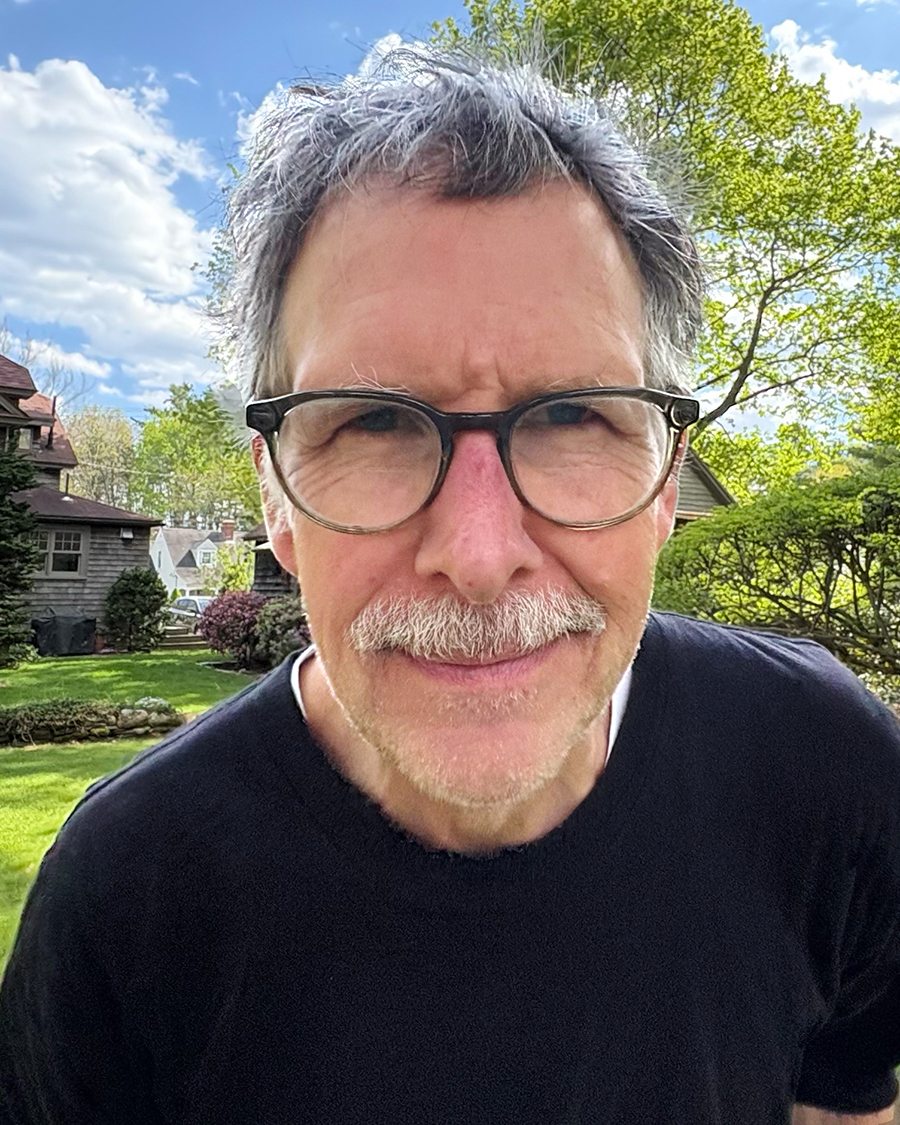
Michael Kolster has been named the Richard E. Steele Professor of Studio Art. A photographer and Guggenheim Fellow, Kolster joined the Bowdoin faculty in 2000 after teaching in San Francisco at City College of San Francisco and the Academy of Art College. He earned a bachelor’s degree in American studies from Williams College, a certificate in documentary photography from the International Center of Photography in New York City, and an MFA from the Massachusetts College of Art. Kolster has exhibited nationally and internationally, and his work is held in the permanent collections of museums across the US and Europe, including the Addison Gallery, High Museum, Huntington Library, and George Eastman Museum. His most recent book, Mongrels of Our Making (2025), examines plastiglomerates—hybrids of volcanic rock and melted plastic found on the beaches of Hawaiʻi’s Big Island that are predicted to become part of the fossil record. Kolster recalls the moment he decided to devote himself to photography: “A few years after college, an image appeared in the developer tray in my closet darkroom that was unlike any others: it felt like a gift, so much more mysterious and beautiful than the concoction I had intended.” A recipient of Bowdoin’s 2008 Karofsky Award for Junior Faculty, Kolster said his work and teaching are grounded in careful observation and openness to discovery. “Together, we come to trust in the promise of what awaits our attention,” he said.
The Richard E. Steele Chair in Studio Art was established in 2000 by Dr. H. Keith H. Brodie P’00 and his wife, Brenda Brodie P’11, parents of Bryson B. Brodie ’00, in honor of retiring Vice President of Admissions and Student Aid Richard Steele, for his contributions and extraordinary leadership.
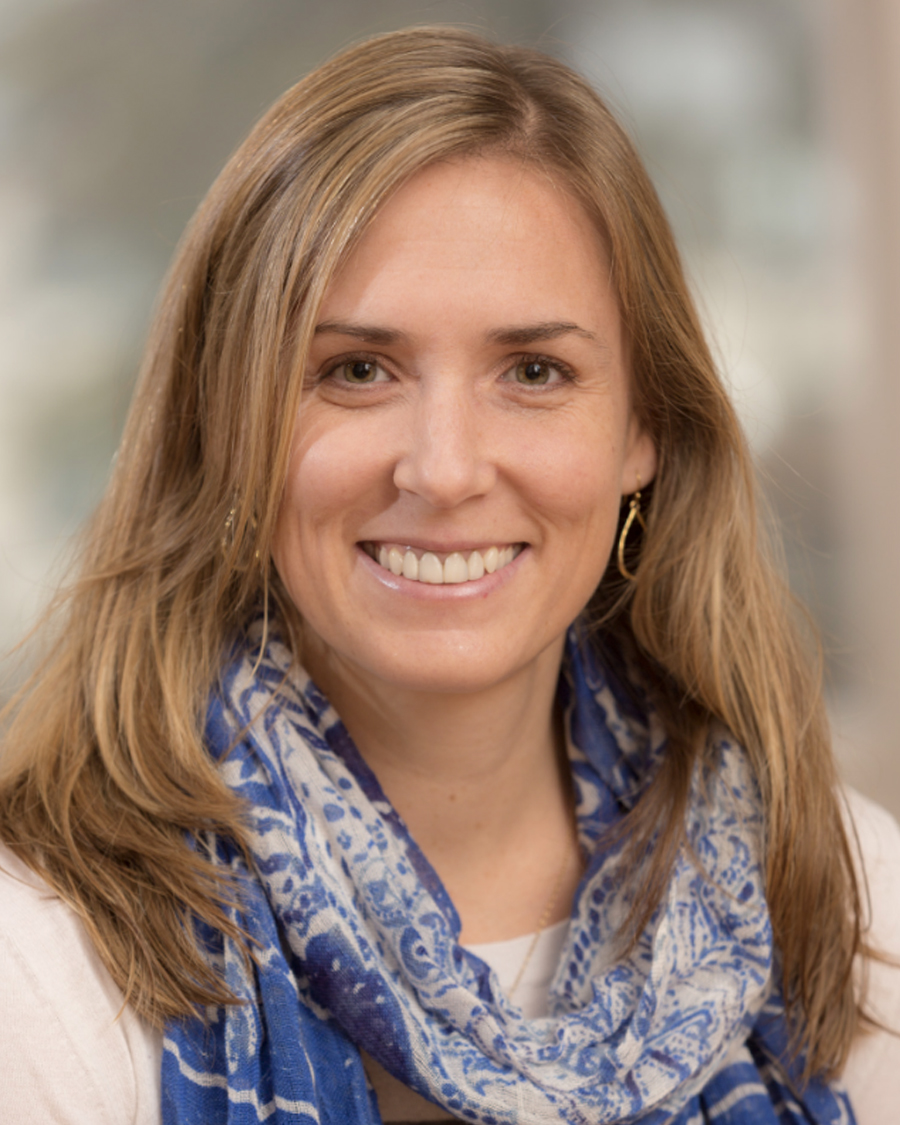
Emily M. Peterman has been named the Norma L. and Roland G. Ware Jr. Professor of Earth and Oceanographic Science. Peterman’s research spans geology, material science, and biology, combining petrology, mineral chemistry, crystal orientation, and geochronology to study the evolution of Earth’s crust and how organisms build skeletal structures. Much of her work uses Bowdoin’s National Science Foundation–funded scanning electron microscope. Peterman’s research has been supported by numerous grants and fellowships and she has published in journals including Science, Journal of Metamorphic Geology, American Mineralogist, and Microscopy and Microanalysis. “Minerals—whether they’re in rocks, shells, or sea urchin spines—can record changes in stress, temperature, fluids, and time,” she said. “I’m inspired and motivated by those ‘aha’ moments—when a concept from one field unlocks a question in another.” Her work has practical applications ranging from assessing seismic hazards to developing strong, lightweight materials. Peterman’s teaching reflects her interdisciplinary approach and her courses examine topics such as rock deformation, plate tectonics and climate, Earth’s resources, and the interpretation of geologic records. “One of my favorite parts of my job is mentoring students in authentic research,” she said. “Whether we're making field observations or collecting data in the lab, I love when students realize that they're contributing new knowledge, not just completing an assignment.” Peterman earned her BA in geology and Spanish at Middlebury College and her PhD at the University of California, Santa Barbara.
The Norma L. and Roland G. Ware Jr. Endowed Professorship was established in 2009 by Dr. Roland G. Ware Jr. ’54 and his wife, Norma L. Ware.
TERM CHAIRS (five years or until promoted)
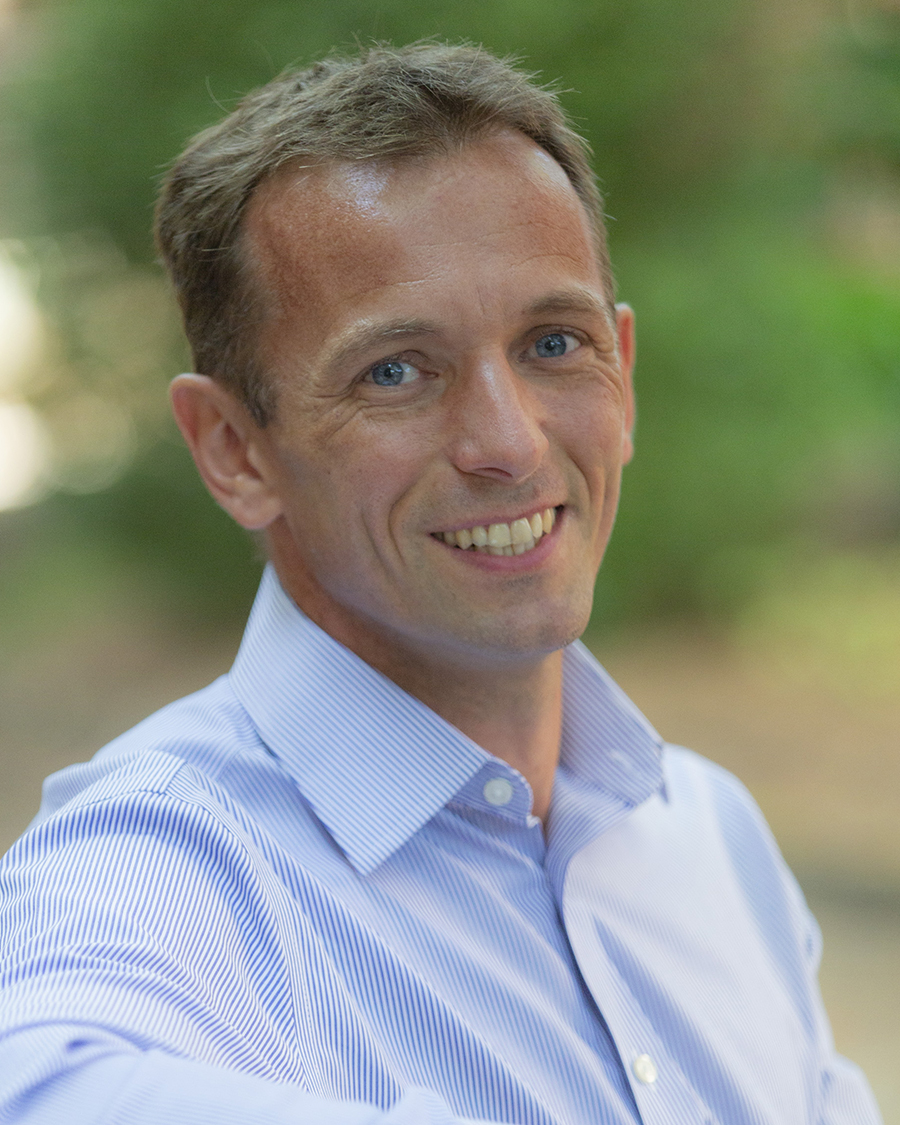
Martin Abel has been named the Peter M. Small Associate Professor of Economics. An applied microeconomist, Abel’s research spans labor, development, behavioral, and artificial intelligence economics. He studies how information frictions, incentives, and institutional design shape labor market outcomes, with a focus on employment barriers, discrimination, and labor market policy. Much of his work relies on field experiments and primary data collection conducted in partnership with governments and nonprofit organizations. “Entering the labor market is one of the most consequential moments in a person’s working life,” Abel said. “The barriers people face—discrimination, missing credentials, weak networks—can affect not just earnings but the kind of life they are able to build.” More recently, Abel has examined the effects of artificial intelligence in economic settings, including consumer reactions to AI-generated products and worker responses to AI-based evaluation, advice, and monitoring. “I have found it especially rewarding to grapple with students over emerging questions related to the rise of AI, both in my teaching and in research projects coauthored with students,” he said. Abel earned his diplom in economics from Friedrich Schiller University Jena in Germany, an MPA in international development from the Harvard Kennedy School, and a PhD in public policy from Harvard University. He serves on the advisory committee for the Hastings Initiative for AI and Humanity and received a 2025 Amazon grant for his project “Advancement of Research on Labor Markets and Barriers to Employment.” His work has appeared in leading economics journals, including the American Economic Journal: Applied Economics and the Review of Economics and Statistics.
The Peter M. Small Professorship was established by Peter M. Small ’64, P’96, P’97, P’99, who served for nearly thirty years as a member of the board of overseers and the board of trustees and as chair of the board of trustees (2005–2010).
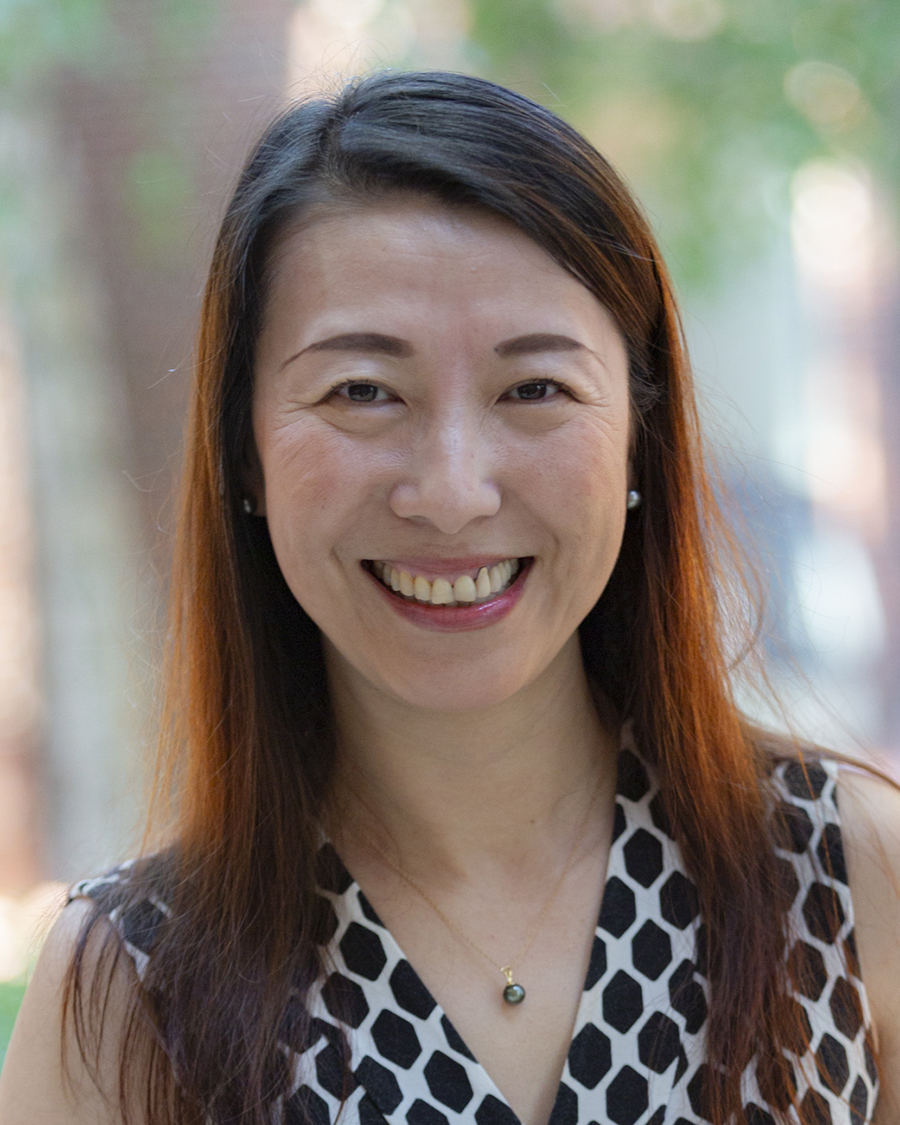
Guo Jue has been named the Marvin H. Green Jr. Assistant Professor of History and Asian Studies. A social and cultural historian of early China, Guo Jue studies the history of Indigenous complex societies in the Middle Yangzi River Valley from roughly the fourth millennium BCE to the third century CE. She is completing her first book, Becoming the South: Early Water Societies in the Middle Yangzi River Valley. Guo Jue frequently collaborates across disciplines, including archaeology, religion, and paleography. Her recent publications include the coauthored chapter “Water, Earth, and Fire: The Making of Riverine Communities in the Greater Jiang Han Region of Central China (4th–3rd millennia BCE)” and the bilingual volume Chu Divination and Sacrifice Records Excavated from Hubei: Chinese Annotation and English Translation, coauthored with Zhu Xiaoxue. She earned her undergraduate degree at Beijing University and her master’s and doctorate at the University of Wisconsin–Madison. “As a historian of the longue durée, I believe the past is not a lesser version of the present, nor is the present inevitable,” Guo Jue said. “The past was full of possibilities and paths that are not only explanatory but also generative.” Guo Jue said she encourages students to embrace uncertainty and historical empathy in the study of history. “I find it most rewarding when students realize that studying history is less about obtaining straightforward answers and more about the power in asking meaningful questions,” she said.
The Marvin H. Green Jr. Assistant Professorship was established in 1990 by Marvin H. Green Jr. ’57.
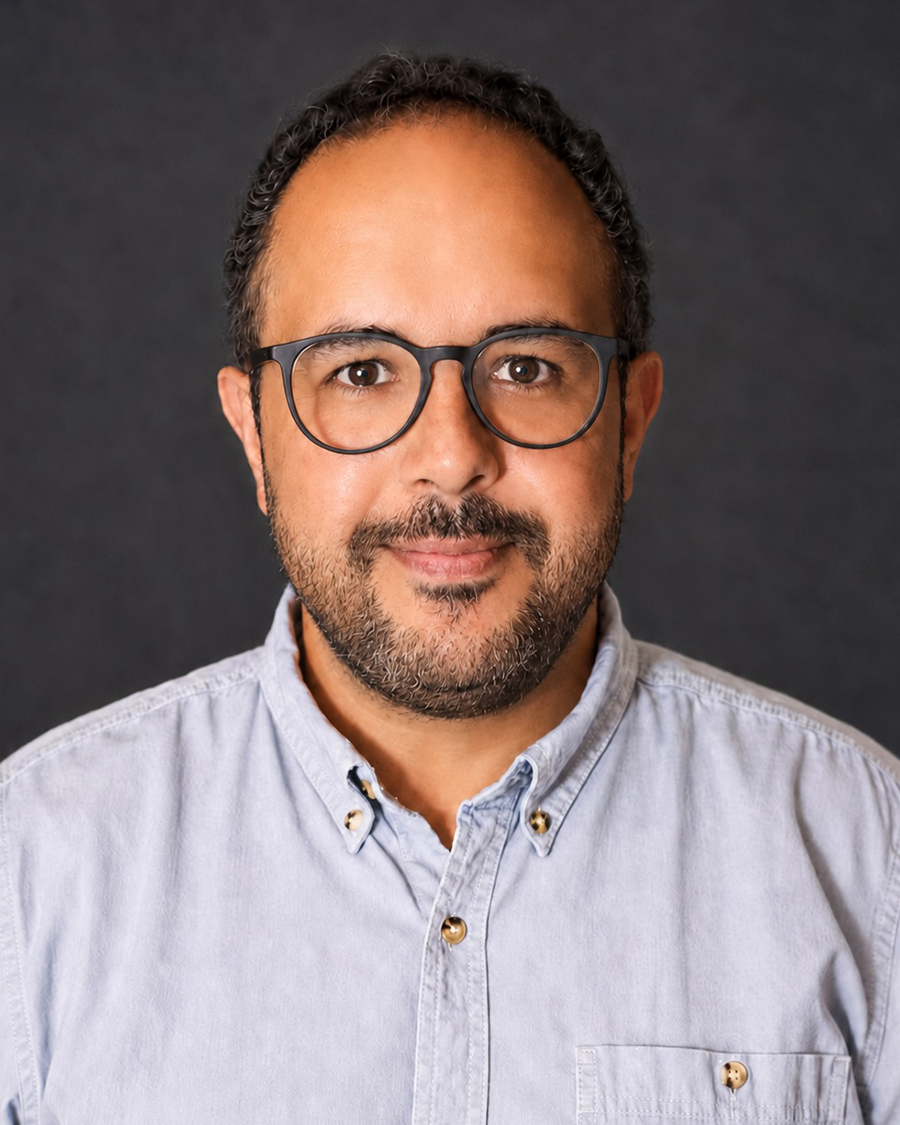
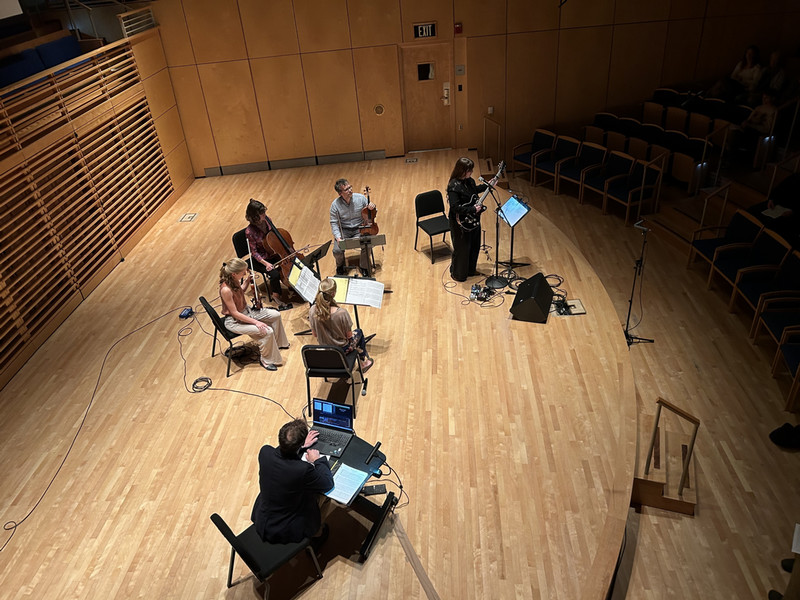
Badie Khaleghian has been named the A. LeRoy Greason Chair in the Creative Arts. A composer and multimedia artist, Khaleghian joined Bowdoin in 2024 from Rice University, where he earned a doctor of musical arts. His work bridges music, technology, visual art, and neuroscience. He directs Bowdoin’s Center for Experimental Multimedia Art and leads the Bowdoin Electroacoustic Ensemble, promoting interdisciplinary collaboration across the arts and sciences. Khaleghian recently collaborated with a chamber orchestra and colleagues in neuroscience and music on a project combining immersive design and interactive brain visualization. Using a brain-computer interface, he translated live EEG data, or brainwaves, into animated 3D visualizations projected during the performance. “The work brought together music, neuroscience, immersive media, and live data visualization in a shared performance environment,” he said. His latest composition, Chant, created with two Bowdoin colleagues and an independent dance company, combines live voice, contemporary dance, interactive electronics, and multimedia projection to reimagine communal chanting practices. The work, which features dancers who also vocalize and chant, will premiere in August 2026. This summer, Khaleghian will travel to Florence, Italy, as an artistic collaborator at the EBRAINS Conference on Community Involvement, Education, Innovation, and Interoperability. In 2025, he received Chamber Music America’s Interdisciplinary Collaboration of the Year Award. “My artistic and scholarly work often moves between different fields rather than fitting neatly into a single category,” Khaleghian said. “I feel strongly supported here in pursuing what I love, both as an artist and as a researcher.”
The A. LeRoy Greason Chair in the Creative Arts was established in 1992 by Lisa M. and Leon A. Gorman '56, H’83 in honor of the twelfth president of Bowdoin College.
Peggy Wang has been named the Stanley F. Druckenmiller Associate Professor of Asian Culture. Wang, chair of the art history department and a member of the Asian studies faculty, studies contemporary Chinese art and the ways art history can challenge inherited systems of evaluation and interpretation. “I am especially attuned to the need to center close looking and deep analysis of art objects,” she said, “and thus treat artworks as active participants within—versus passive illustrations of—the surrounding world.” Her 2021 book, The Future History of Contemporary Chinese Art, examines five prominent Chinese artists from the 1990s while challenging Western-centric interpretations of their work. Through close analysis of artistic process, materials, and ideas, Wang argues for approaches that restore agency and meaning-making to the artists themselves. Wang’s recent research explores how contemporary artists engage with localized ecologies and cosmologies in their work. She earned her bachelor’s degree in art history and Chinese studies at Wellesley College and her master’s and doctorate in art history at the University of Chicago. She has held fellowships and research appointments including the Robert H. N. Ho Family Foundation Researcher-in-Residence at Asia Art Archive in Hong Kong and a US Fulbright Research Scholar in China. She also received a Jacob Javits Fellowship, a Fulbright-Hays Doctoral Dissertation Research Fellowship, and Bowdoin’s 2018 Sydney B. Karofsky Prize for Junior Faculty. “It has been particularly rewarding to teach students at Bowdoin who share this deep commitment to writing inclusive art histories,” Wang said.
The Stanley F. Druckenmiller Professorship of Asian Culture was established in 1992 by Stanley F. Druckenmiller ’75, H’07.