Alumni and Careers

How do Bowdoin graduates with degrees in Francophone Studies use their knowledge and skills out in the world? Click this link to listen to our former majors talk about what their experience in our programs and abroad brought them and how they use what they learned in a wide variety of professions today.
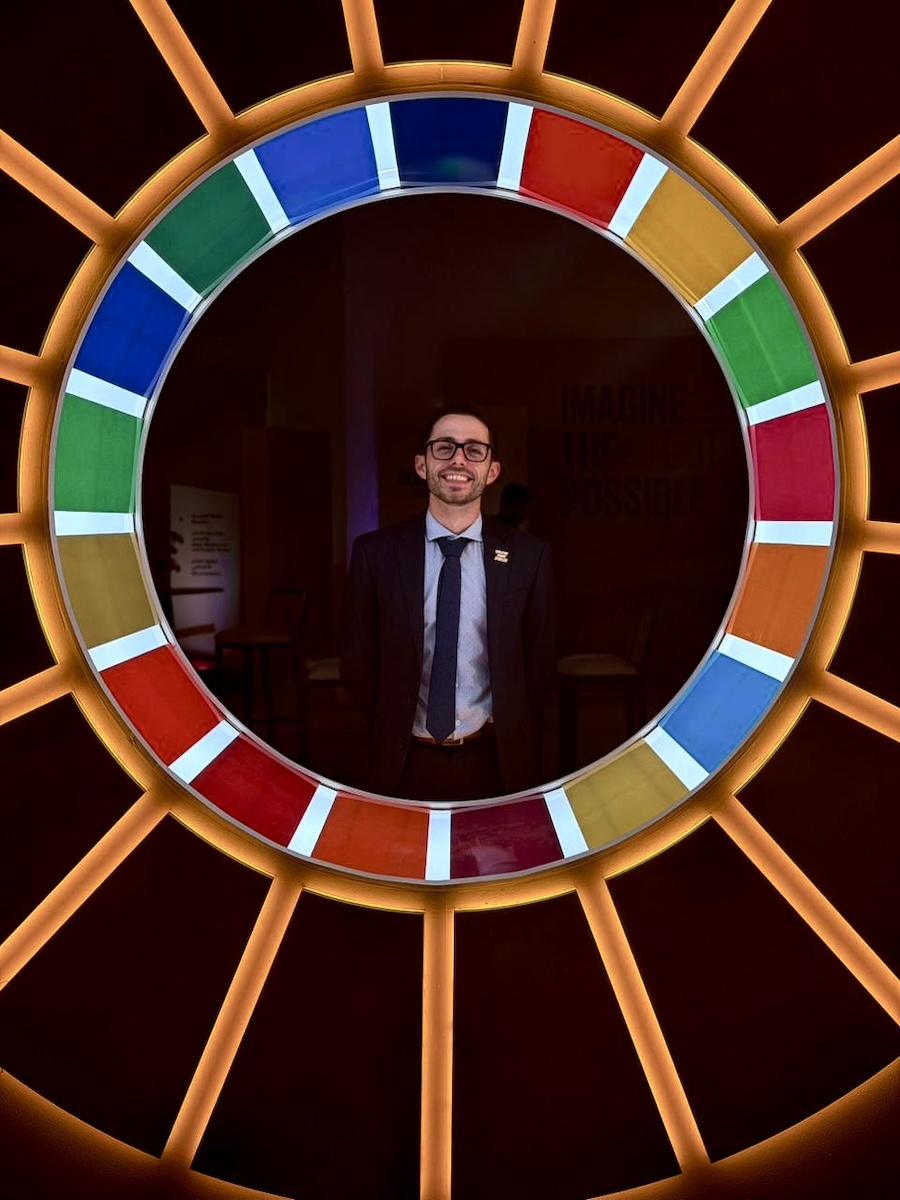
Jacob Baskes headshot

Jacob Baskes

Class of: 2020

Location: Brooklyn, New York

“I'm curious about how other people view and experience the world, and how language shapes individual and collective understanding.”

What have you been up to since graduating from Bowdoin?

I’ve been working in global health communications and advocacy for the past five years, based in New York City. Because so much global health work takes place in Africa, my French studies have proven to be valuable linguistic and cultural tools, allowing me to approach this work in a more holistic and immersive way. They have also helped me earn responsibilities and opportunities that I likely would not have had without them.

Why Francophone studies?

I initially pursued a major in Hispanic studies to apply this thinking to the Spanish-speaking world, but I was slowly and organically nudged toward the Romance languages major. After several trips to France and other Francophone countries, I’m very thankful for that change of direction.

What advice would you give to current students or recent graduates interested in your field?

There are many paths into global health, and there is a constant need for thoughtful people with diverse skill sets who want to see health recognized as a universal human right. An MPH can be valuable, but it is not required. You can pursue communications, fundraising, government advocacy, or volunteer work, as I did, and discover where your skills and interests can make the greatest impact.
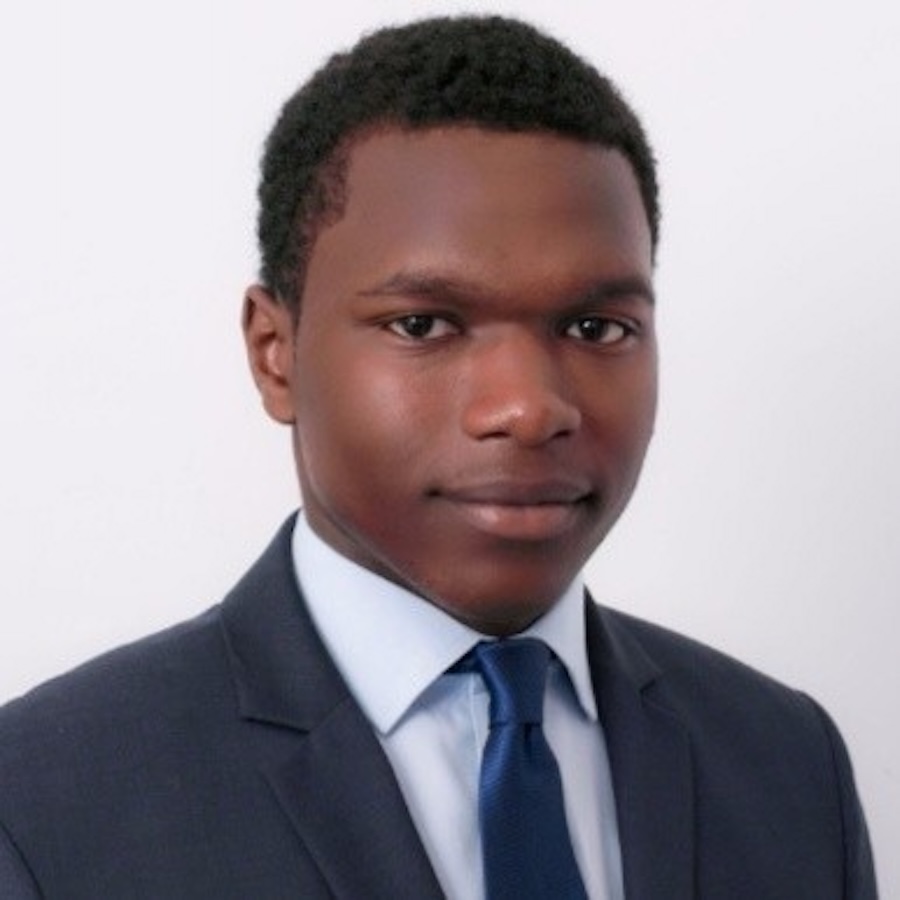
Moctar Niang headshot

Moctar Niang

Class of: 2019

Location: Paris, France

“I initially hesitated to major in Francophone studies because I assumed it wouldn’t translate to a career in finance, which turned out to be completely wrong.”

What have you been up to since graduating from Bowdoin?

Since graduating from Bowdoin, I’ve worked at Barclays Investment Bank. I began in 2019 in the New York City office on the equity sales desk before moving to Paris in 2023 to join the European equity capital markets team, where we help companies meet their capital-raising and financing needs.

Why Francophone studies?

I come from a Francophone West African family—my father is Senegalese and my mother is Malian—so la francophonie has always been part of my life. Growing up in New York City, I developed a deep interest in both French and Francophone cultures, which naturally led me to take courses in the department at Bowdoin. Francophone Studies opened up a world I had never studied in depth before, from the works of Aimé Césaire to North African cinema by filmmakers such as Lyès Salem and others.

Are there any classes, professors, or experiences that had a lasting impact on you?

Professors Meryem Belkaïd, Charlotte Daniels, and Katherine Dauge-Roth each had a profound impact on my Bowdoin experience. I took multiple courses with them beginning in my first year, and they ultimately inspired me to major in Francophone studies alongside government and legal studies. My favorite classes included Francophone Film and a French theatre course I took my senior year, during which we reenacted plays—most memorably Tartuffe. I also studied abroad in Paris during the spring of my junior year, which was an incredible experience and, in many ways, a precursor to my current life in Paris.

What advice would you give to current students or recent graduates interested in your field?

I initially hesitated to major in Francophone studies because I assumed it wouldn’t translate to a career in finance, which turned out to be completely wrong. I’ve been able to merge my interests in Francophone culture and finance, which has served me well while working in international markets. Do what you actually want to do, not what you think simply “looks good”—you’ll enjoy it more. I’d also encourage students to begin networking and reaching out to banks early for summer internships, as the process is highly competitive.

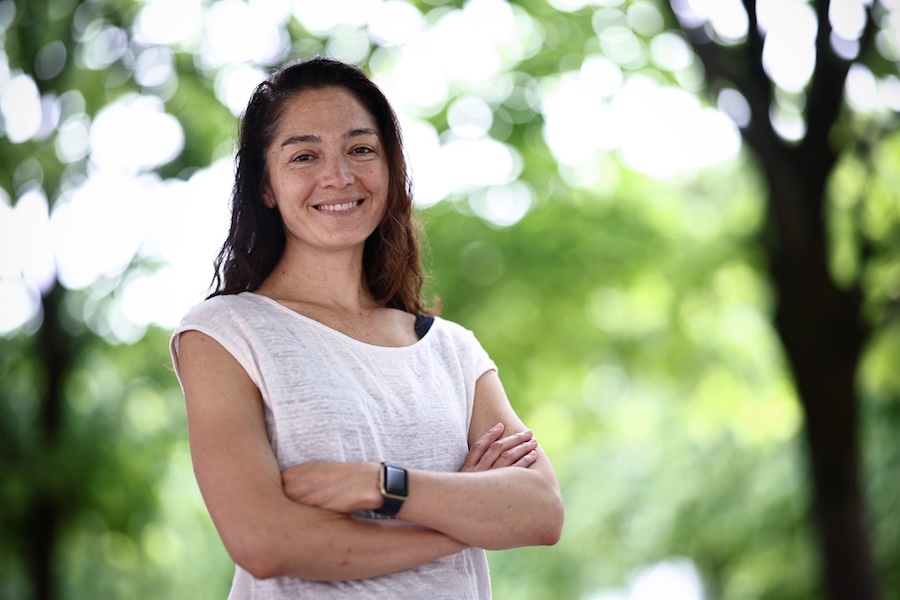
Natalie Handel headshot

Natalie Handel

Class of: 2004

Location: Paris, France

“I didn't go to journalism school, and I don't think it's necessary as long as you have cultural sensitivity, languages, curiosity, strong writing, courage, equipment, and support.”

What have you been up to since graduating from Bowdoin?

After Bowdoin, I attended theater school in Paris for two years before hopping around the US in various theater and journalism jobs. I’ve been a journalist with Agence France-Presse for sixteen years and based in Paris for the last ten.

Why Francophone studies?

I was drawn to Francophone Studies because I loved studying literature and wanted to maintain and improve my French. Speaking and understanding French, and France itself, has been key in my life ever since, from raising my kids (who are half French) to navigating French office culture.

Are there any classes, professors, or experiences that had a lasting impact on you?

All of my classes and professors inspired me—the wonderful Dauge-Roths, Charlotte Daniels, and Bill VanderWolk. One of the most meaningful aspects of the French department for me was how they incorporated theater into their teaching. I directed a play in French as a senior project with support from the theater department, and it remains one of the most fulfilling creative experiences of my life.

What advice would you give to current students or recent graduates interested in your field?

I didn’t originally intend to become a journalist, but I’m grateful to work in this field, even as it has gone through upheaval throughout my career. I do writing and video reporting, and the latter requires being out in the field often. 

To current students: enjoy Bowdoin as a place to study, but don’t forget to use its resources to express your creativity in other ways. Put on a play, choreograph a dance, start a YouTube channel. It’s one of the most supportive creative environments you might ever encounter.