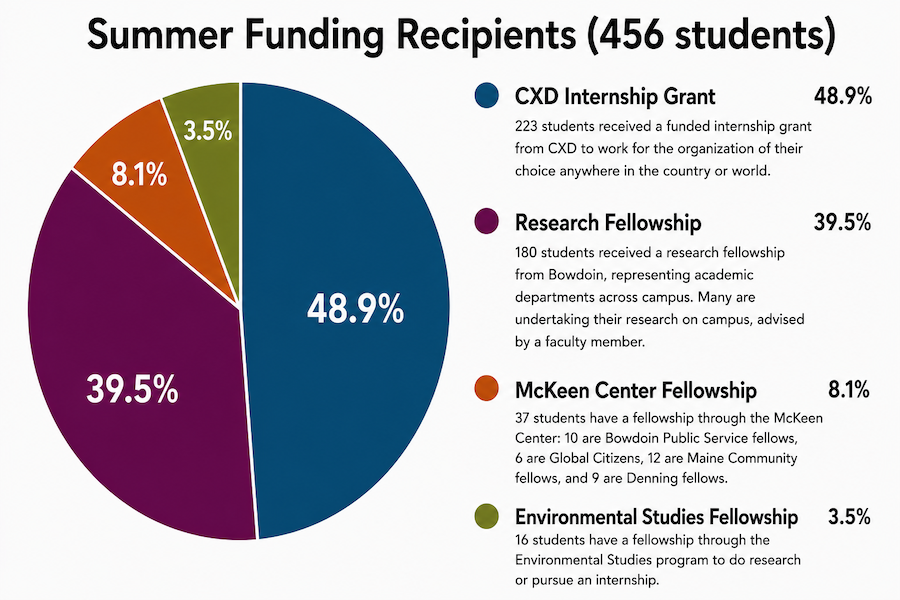
About twenty percent of the 223 students who received funded internships from Bowdoin this summer gravitated toward the the field of health and medicine, interested in research or work that is improving people's lives.
We heard from five of these students; they are working at a neuroscience lab, a professional group linking climate and public health, a hospital, a vaccine research center, and a public health institute.
Along the way, they're acquiring technical and communication skills, learning from mentors, widening their networks, and gaining insight into their career aspirations.
Funded internship grants from Career Exploration and Development (CXD) allow students to pursue opportunities that relate to their academic interests or career goals. Much of the funding for these grants comes from alumni, families, and friends of the College. Their gifts, which include over $18 million in new endowment and substantial current-use funding each year through the College’s annual funds, have more than tripled Bowdoin’s resources for internships over the last decade.
“I was drawn to this internship because I wanted to gain more research experience and because I have always been interested in human behavior: why people learn, think, and act the way they do.”
—Abdul Samed Mustapha ’28
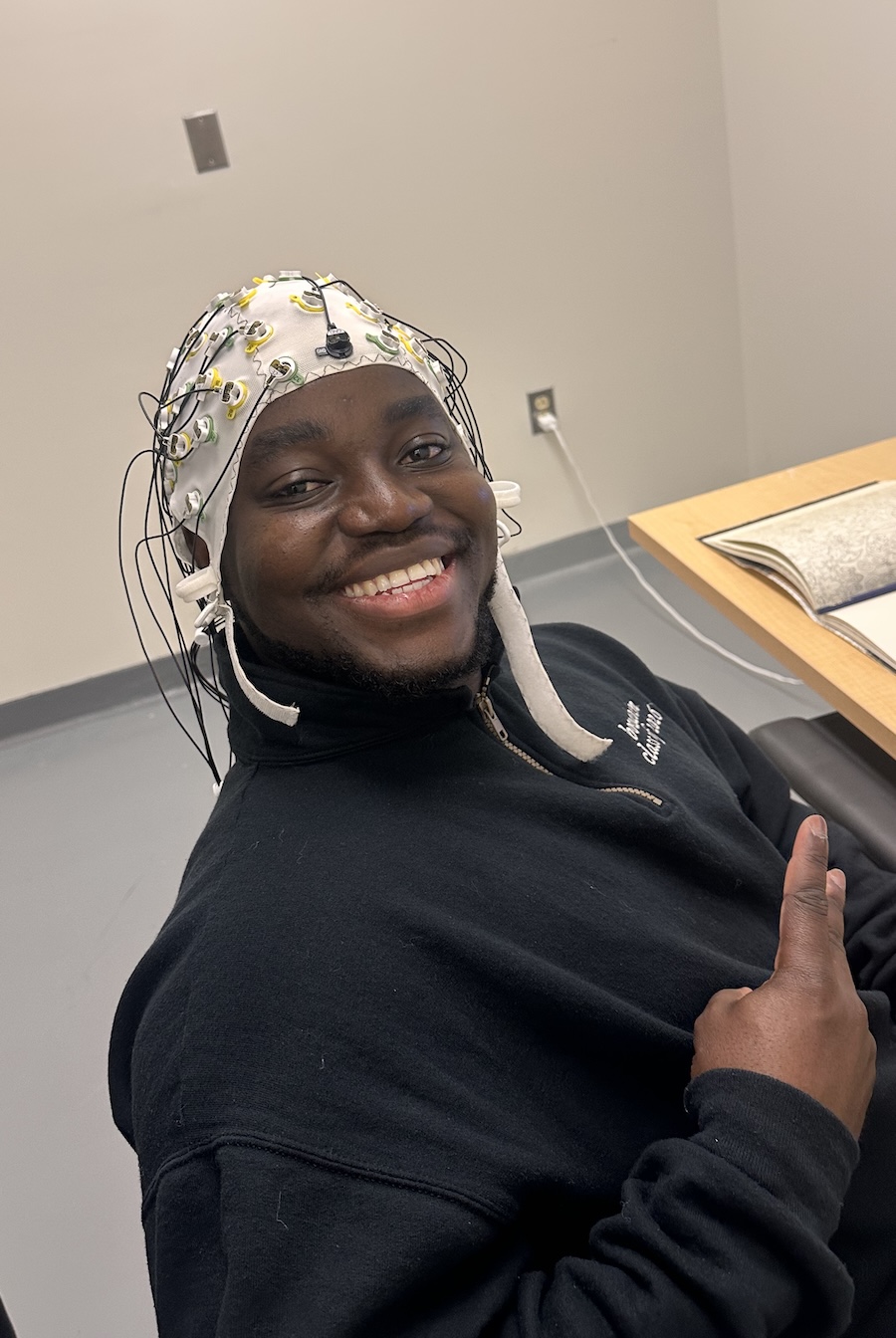
Abdul Samed Mustapha ’26, Language and Cognition
Abdul Samed Mustapha is spending the summer at the University of Southern Maine's Bilingualism and Second Language Laboratory, investigating how adults learn language and the role memory plays in that process.
"I have always been interested in human behavior: why people learn, think, and act the way they do," said the neuroscience major. "This project stood out to me because it connects language learning with memory, cognition, and how adults learn new patterns."
Working with Associate Professor of Linguistics Jeanne Heil, Mustapha is using artificial languages designed for research to investigate the memory and cognitive processes that underlie second-language acquisition. Much of his work has involved doing background research on topics such as artificial language learning, grammar learning, explicit and implicit learning, and memory systems. (Artificial languages refer to small, made-up languages created by researchers to study how adults learn new words and sentence patterns.)
"More recently, I have also been thinking about how memory systems might connect to language learning in neurodivergent populations," he added.
The internship has given him a deeper appreciation for the research process. As he reviewed scientific literature, he found himself asking increasingly nuanced questions, such as how different memory systems support different aspects of language.
"For example," he said, "some parts of language may be learned more like facts, while other parts become more automatic through practice."
He also has seen how much work takes place before the research even begins. "Before a study can happen, researchers have to understand what has already been done, compare methods, and think carefully about what questions are still unanswered," he said.
“To tackle the climate health crisis, we need to work together across disciplines”
—Amelia Kane ’27
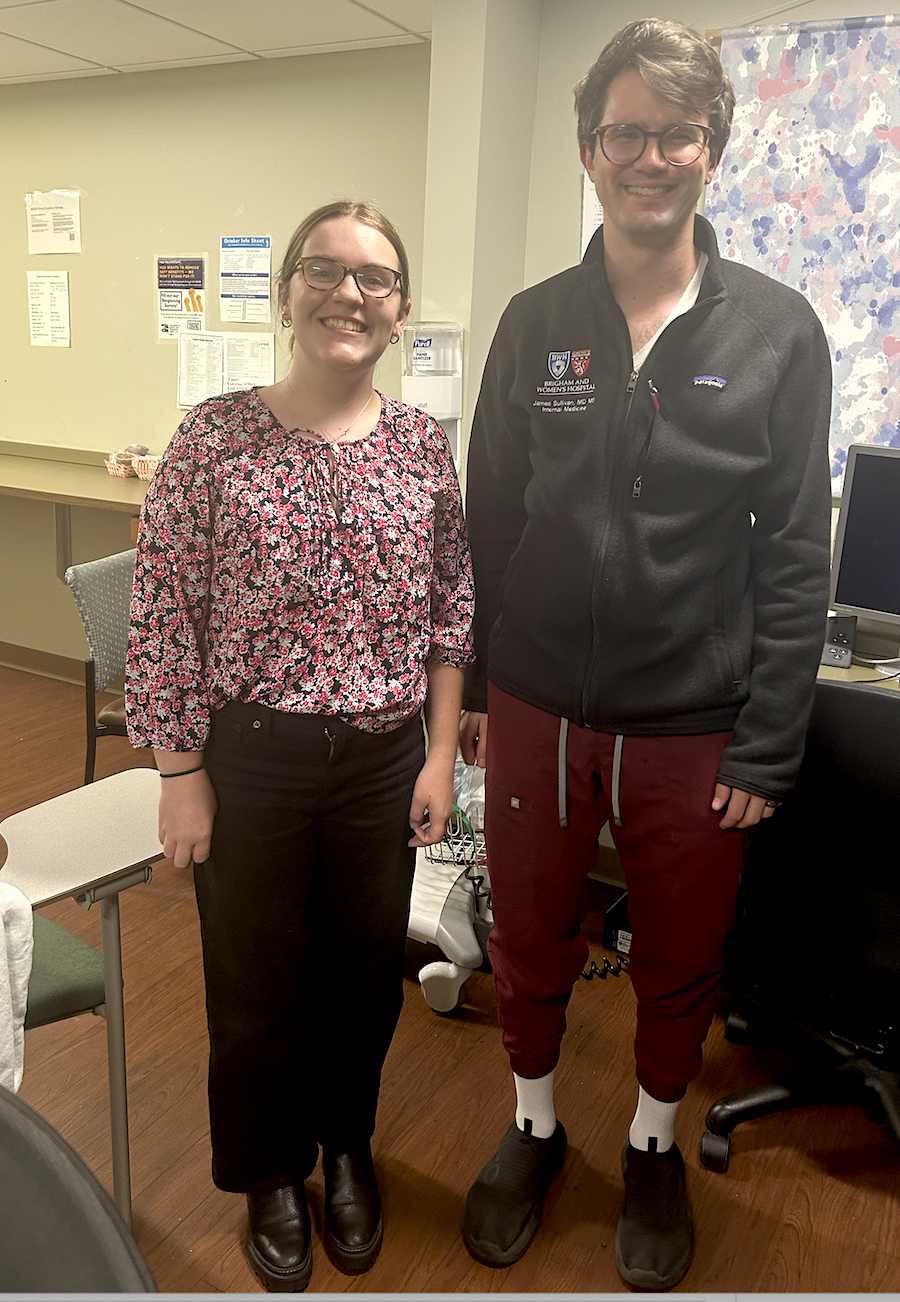
Amelia Kane ’27, Climate's Impact on Human Health
In February, Amelia Kane met with Erin Beirne, a career advisor in Bowdoin's CXD office, to ask how she could combine her interests in public health and the climate into a meaningful summer internship.
Beirne suggested she contact James Sullivan ’16, who is helping to build the Climate Health Society, an organization founded last year to support professionals working at the intersection of climate change and health care. Sullivan is an internal medicine resident at Brigham and Women's Hospital in Boston and a clinical fellow at Harvard Medical School.
When Kane reached out, Sullivan welcomed the chance to work with another person interested in the emerging field.
"He was excited to hear that I had a similar desire to connect climate to public health," Kane said. "The highlight of the internship has been the mentorship he's given me. I come from a family of humanities majors, so I didn't have much exposure to the medical world. He's been breaking down the field for me and introducing me to a lot of people."
This summer, Kane has helped develop the society's online learning center, which features peer-reviewed resources and weekly webinars. Topics include the health effects of rising temperatures, drought, wildfires, smoke inhalation, and water insecurity. The organization also explores how to protect older adults or people with disabilities who may be more vulnerable to climate changes.
"We're bringing together people from all different backgrounds," Kane said. "They could be sustainability advocates, public health professionals, professors, doctors, policymakers, climate scientists, or engineers, since the society believes that to tackle the climate health crisis, we need to work together across disciplines."
For Kane, a government and Hispanic studies major who is proficient in Spanish, the internship has strengthened both her professional network and her confidence. "I'm now connected to more people working in a field I'm excited about," she said. "I hope to find a job that connects public health and the climate, and has an international component."
“In addition to gaining technical knowledge in immunology, I have learned that curiosity is one of the most important qualities to have in medical research. I am grateful to have worked alongside scientists who approach problems with creativity and clinical awareness.”
—Elijah Miller ’28
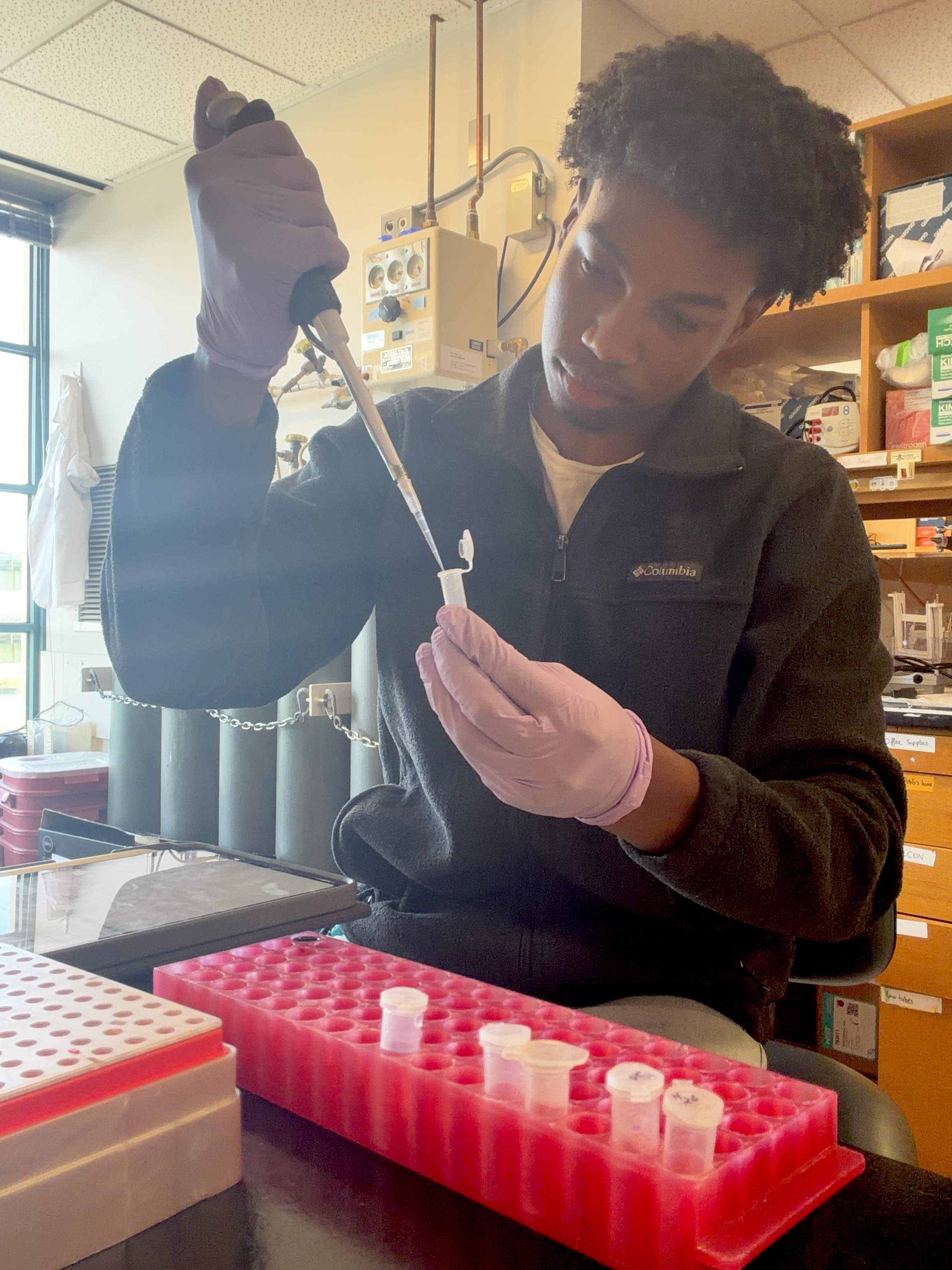
Elijah Miller ’29, Preventing Food Allergies
As someone with multiple food allergies, Elijah Miller has always wanted to better understand "the why and how" behind allergic reactions. This summer, he’s interning at the Patil Laboratory at Massachusetts General Hospital, which focuses on “translational medicine,” or turning scientific discoveries into new treatments for food allergies.
"This made the internship meaningful, as it allowed me to combine my curiosity about food allergies with a desire to contribute to patient-centered research," he said.
Miller has been studying the neutralizing antibodies produced during immunotherapy that prevent allergic reactions. A better understanding of how these antibodies work could lead to simpler, more broadly applicable medicines, he said.
"In addition to gaining technical knowledge in immunology, I have learned that curiosity is one of the most important qualities to have in medical research," he added. "I am grateful to have worked alongside scientists who approach problems with creativity and clinical awareness."
The experience has reinforced Miller's interest in working at the intersection of computational science and biological research. It’s also strengthened his interest in public health, particularly issues of disparity and access.
"For example, I would like to explore how essential treatments for food allergies, such as epinephrine, can become more affordable and accessible to underserved communities, as well as how preventative approaches to food allergy can be developed," he said.
“This summer has not only deepened my understanding of the immune system and its mechanisms, but also expanded my overall understanding of biology.”
—Gabriel Vasquez-Jaffe ’28
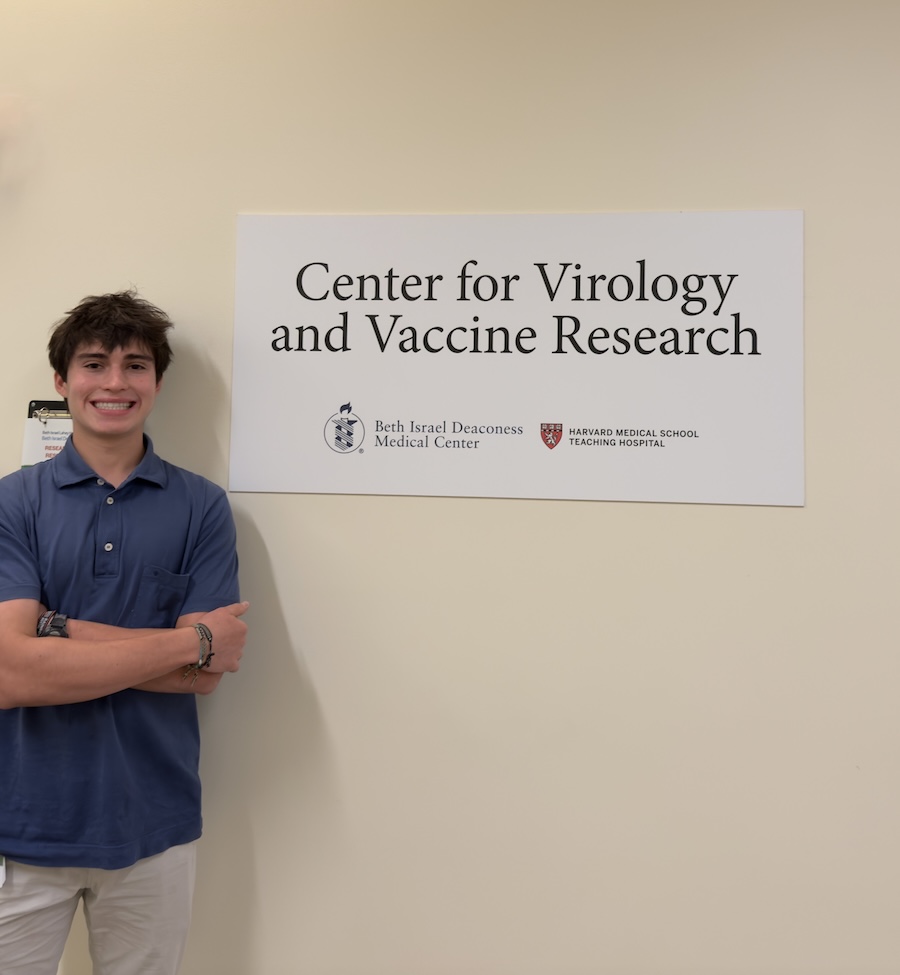
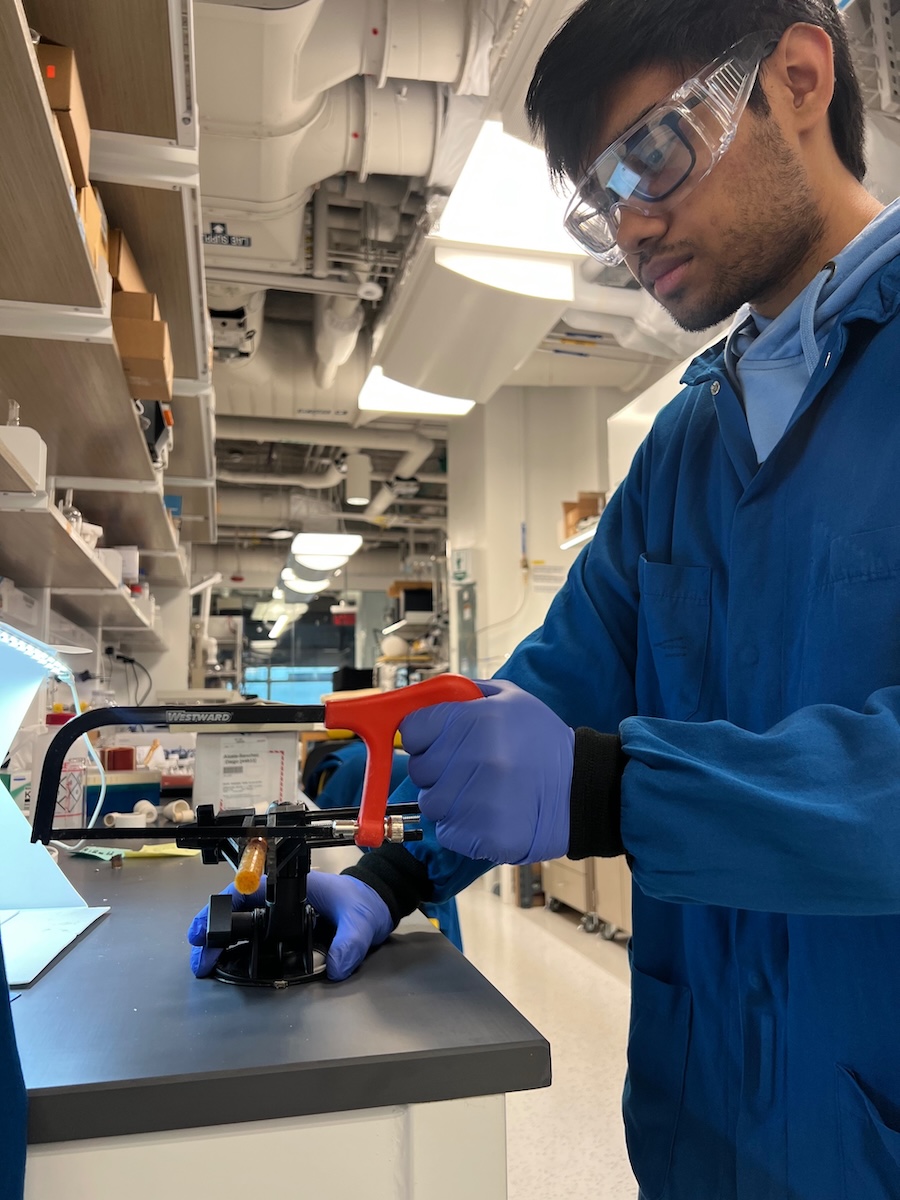
Gabriel Vasquez-Jaffe ’28, Developing New Medicine
At Harvard Medical School's Center for Virology and Vaccine Research, Gabriel Vasquez-Jaffe is helping study viruses in the pursuit of new vaccines and treatments for infectious and neurological diseases.
"I was drawn to this internship because of my interest in global health and medicine," he said. "The idea of getting to contribute to research on influenza, coronavirus, and Alzheimer's, which are diseases that affect millions of people, made the opportunity feel particularly meaningful and exciting."
Before the summer, Vasquez-Jaffe envisioned a future in a clinical setting related to public or global health. After completing what he needed for premed coursework, he wasn't sure he would continue studying biochemistry.
That has changed over the course of the internship.
"This summer I have become increasingly fascinated by immunology and infectious disease, particularly the molecular and cellular mechanisms behind medical treatment and prevention," he said. "For the first time, I am considering a career that includes biomedical research, and I am committed to double majoring in biochemistry and Asian Studies."
Being at Harvard has offered many opportunities to pick up new knowledge—including presentations by lab mates, weekly lab seminars with outside researchers, and lectures at Harvard Medical School. “I have learned much more about viruses, vaccines, immune responses, and novel approaches to studying and treating diseases,” from cancer immunology to food allergies, he said.
“It's inspiring to see such determined and enthusiastic people doing projects with the goal of enacting meaningful change to the health and lives of Aboriginal and Torres Strait Islander people.”
—Sachi Mehra ’28
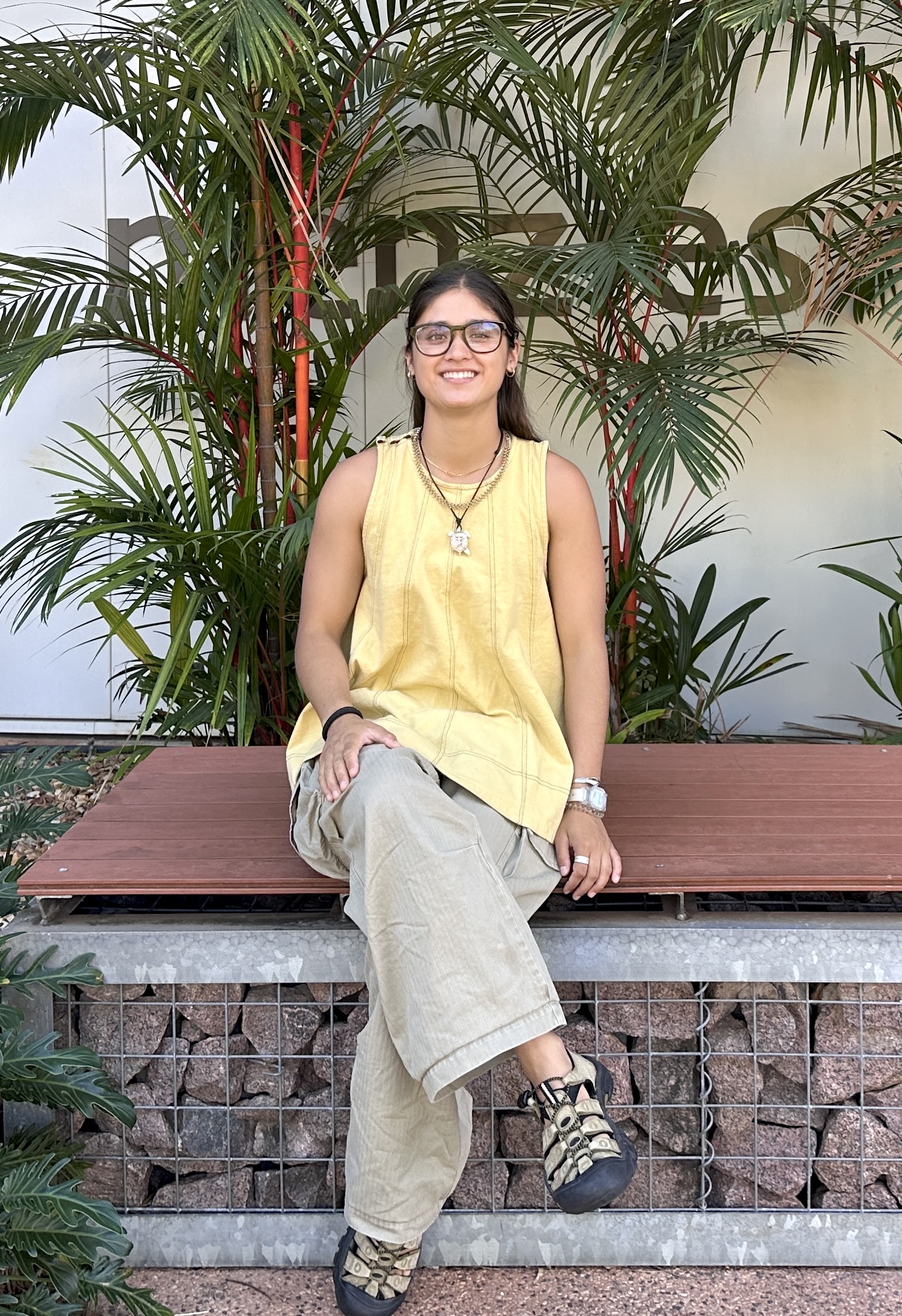
Sachi Mehra credited Bowdoin's anthropology faculty with encouraging her to pursue qualitative research through an opportunity that aligned with her values. She also thanked the College's library staff for helping her develop the research skills needed to conduct literature reviews and navigate academic databases.
Sachi Mehra ’28, Addressing Indigenous Health in Australia
Sachi Mehra combined two longstanding interests this summer through an internship at the Menzies School of Health Research, an Australian institute dedicated to improving the health and wellbeing of Aboriginal and Torres Strait Islander peoples.
Born in Australia, with family still living there, Mehra has long been curious about the country she left as a small child. An anthropology and biology major, she also wanted to gain experience in public health and qualitative research.
She got that opportunity with Menzies' Renal Health Program. "I have learned that complex chronic conditions, notably kidney disease, affect Aboriginal and Torres Strait Islander people at a disproportionately high rate, which makes it increasingly important to understand the underlying causes and work toward reducing the prevalence of these diseases," she said.
When asked what she has learned this summer, Mehra said, "So much! I continue to learn new things every day about the lives and health experiences of Indigenous Australians, which is providing me with a new lens on the people who have lived here for thousands of years and how their descendants have adapted to colonialism."
Although Mehra wants to be a health care clinician one day, her internship has broadened her view of what her career could look like.
"It has been wonderful to dip my toe into the public health research side. It's inspiring to see such determined and enthusiastic people doing projects with the goal of enacting meaningful change to the health and lives of Aboriginal and Torres Strait Islander people,” she said. “I am now more excited to pursue a masters or even a PhD in this field and to engage with public health research throughout my career.”