50, 2026
Nancy Scott
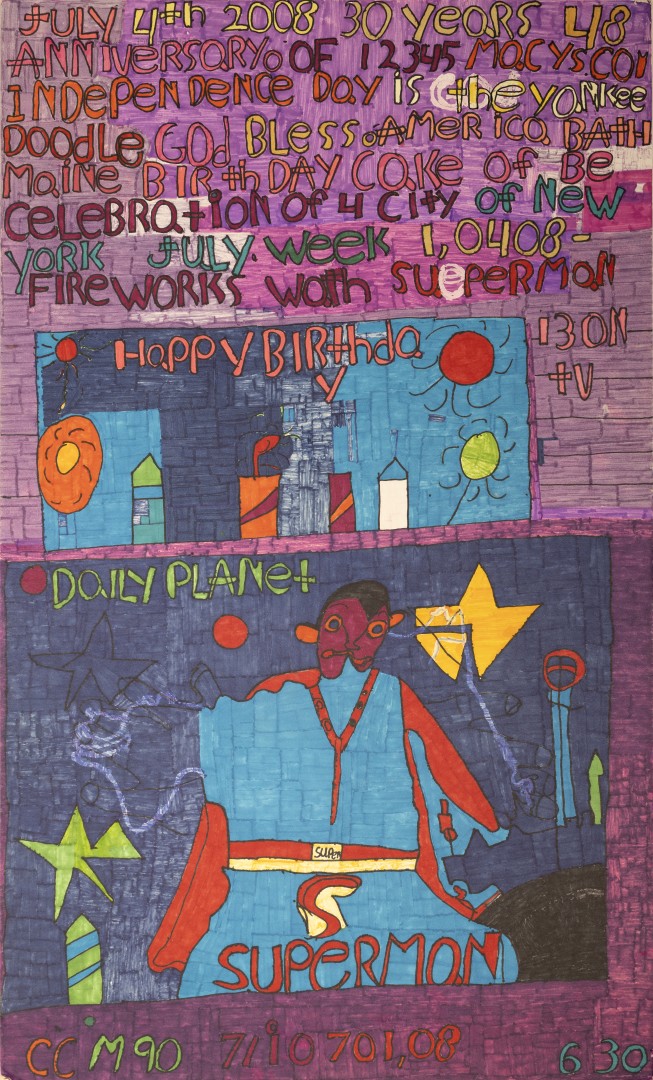
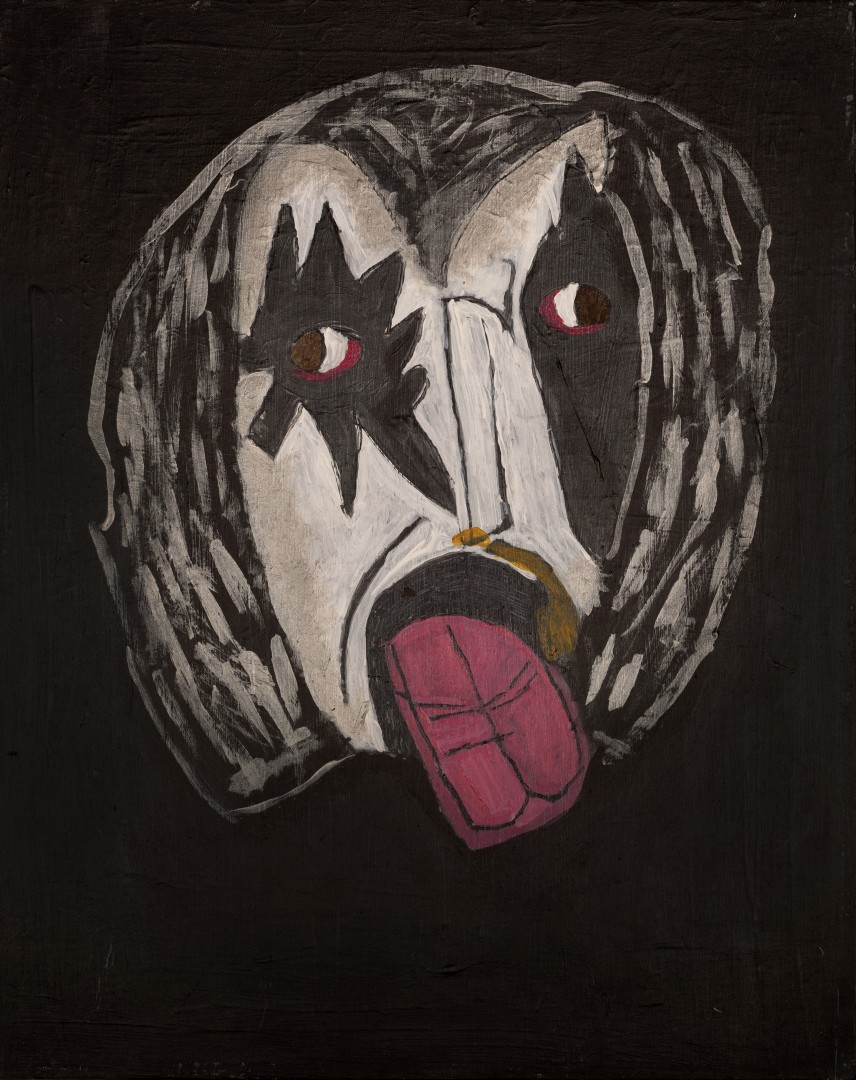
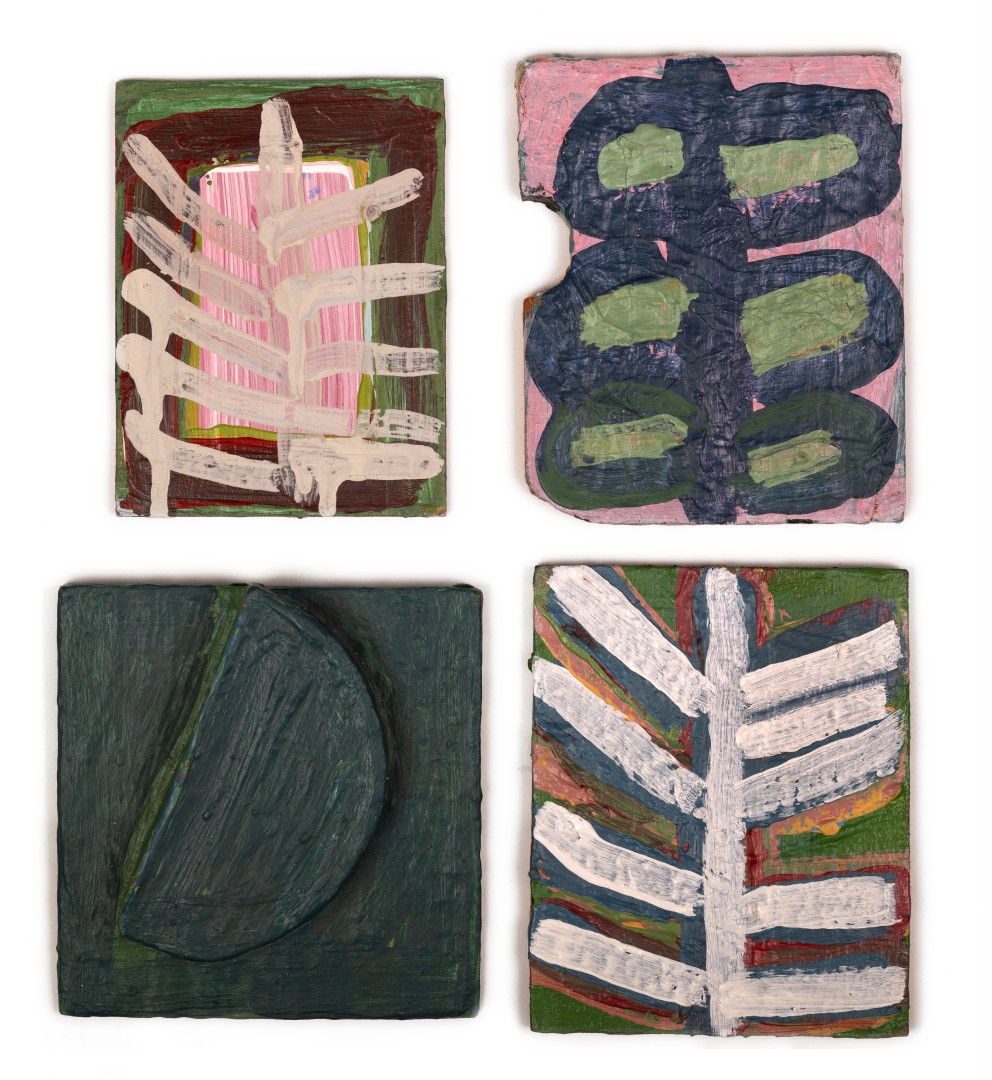
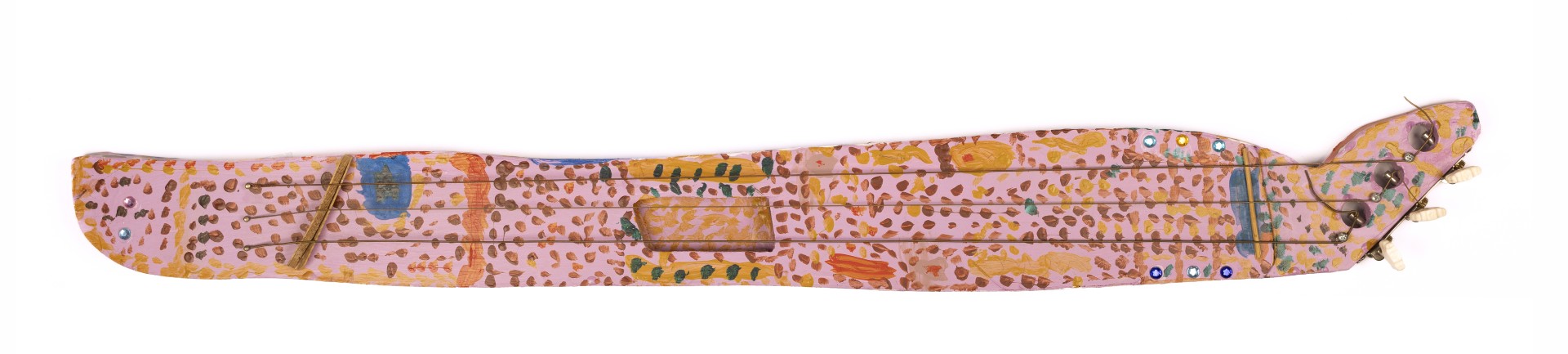
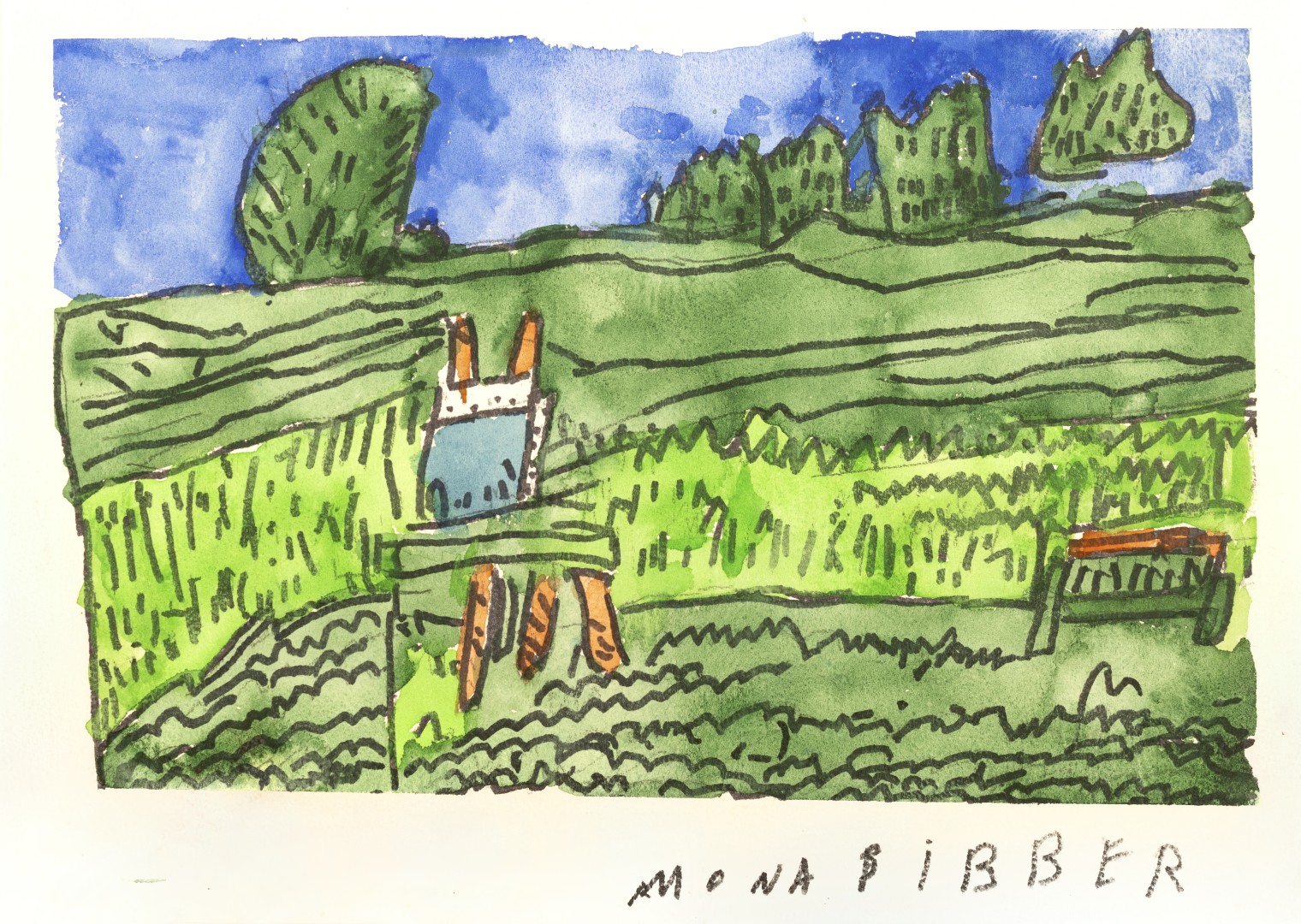
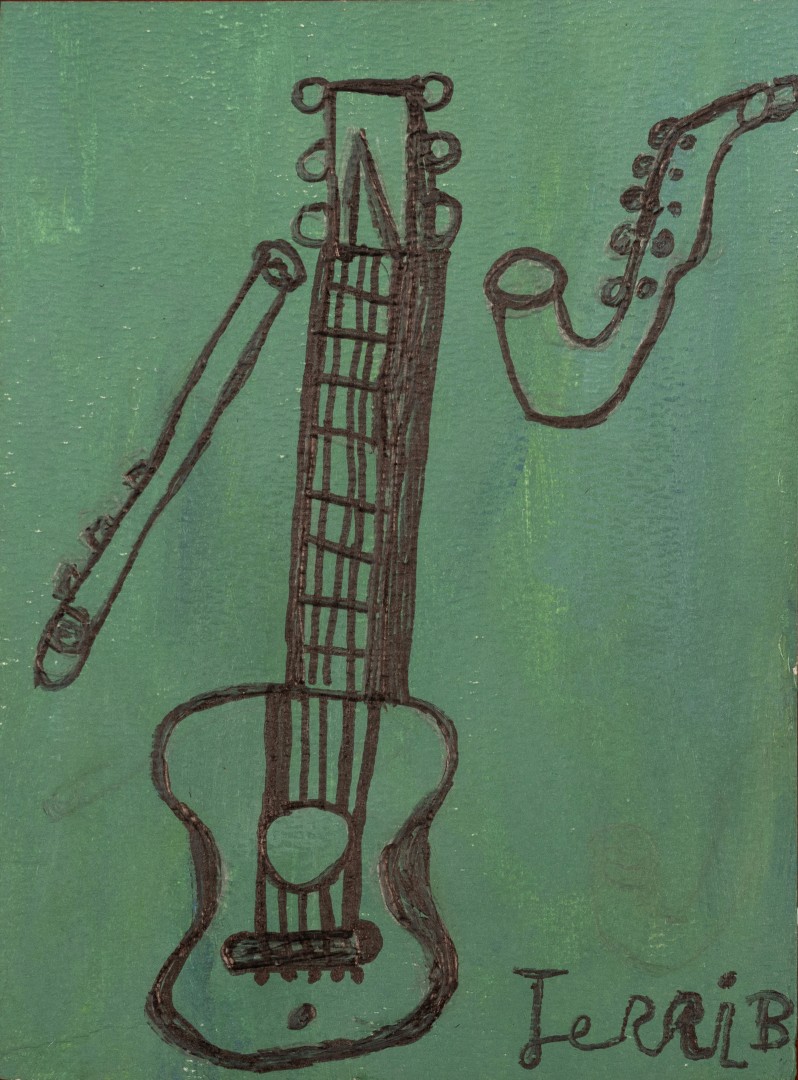
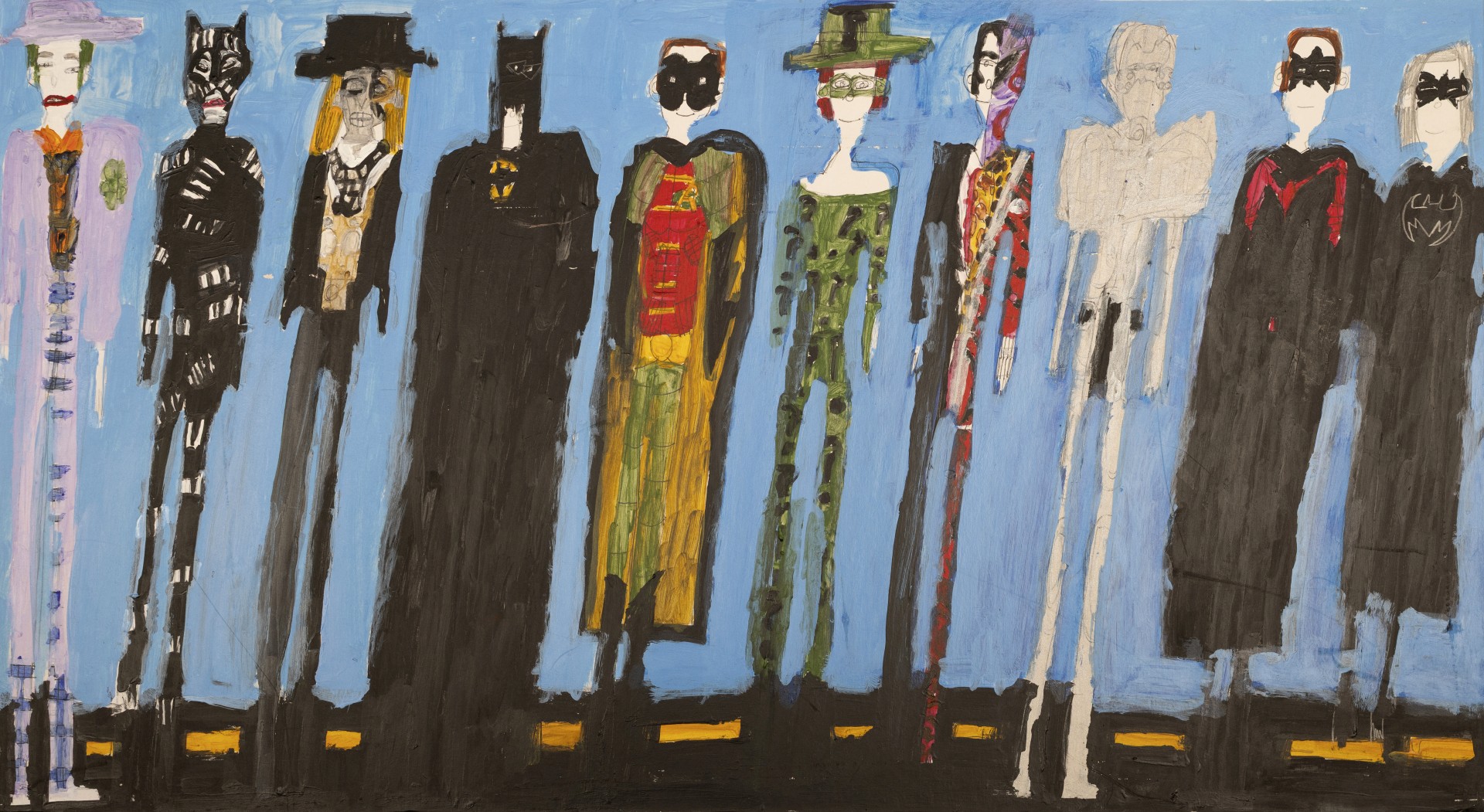
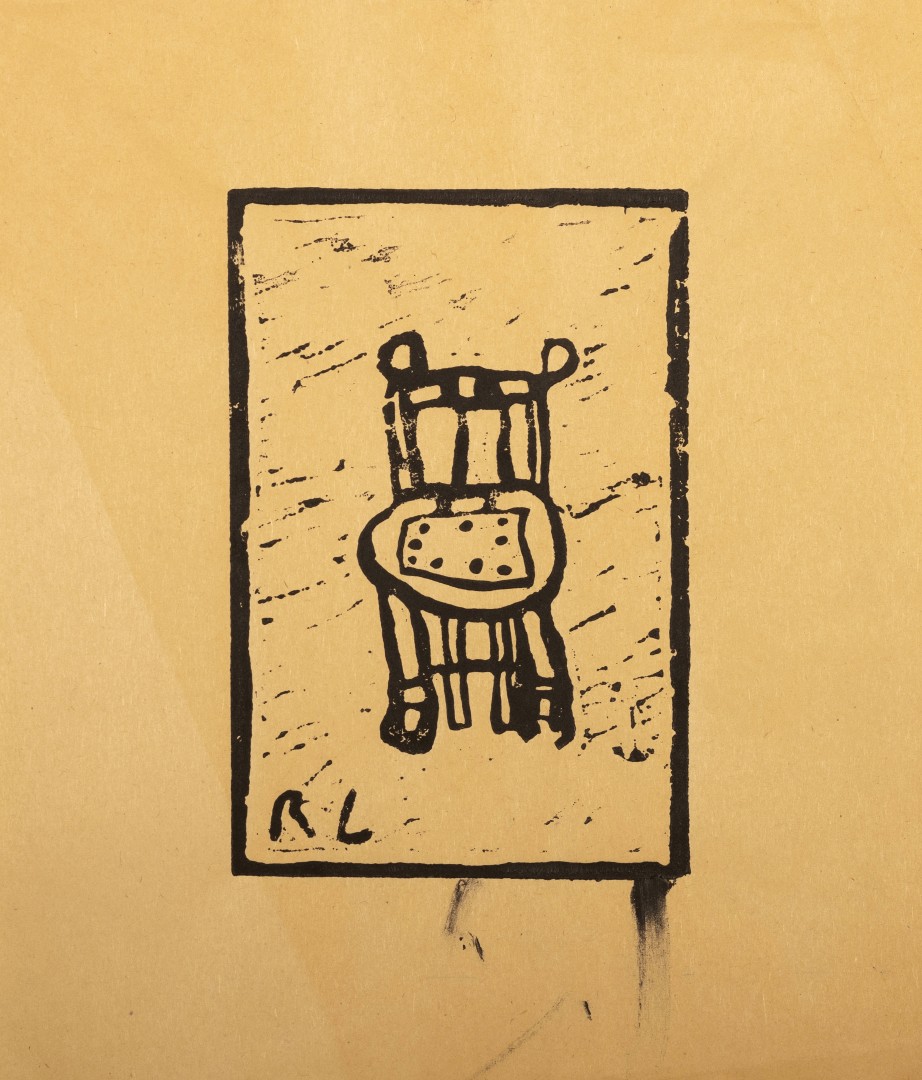
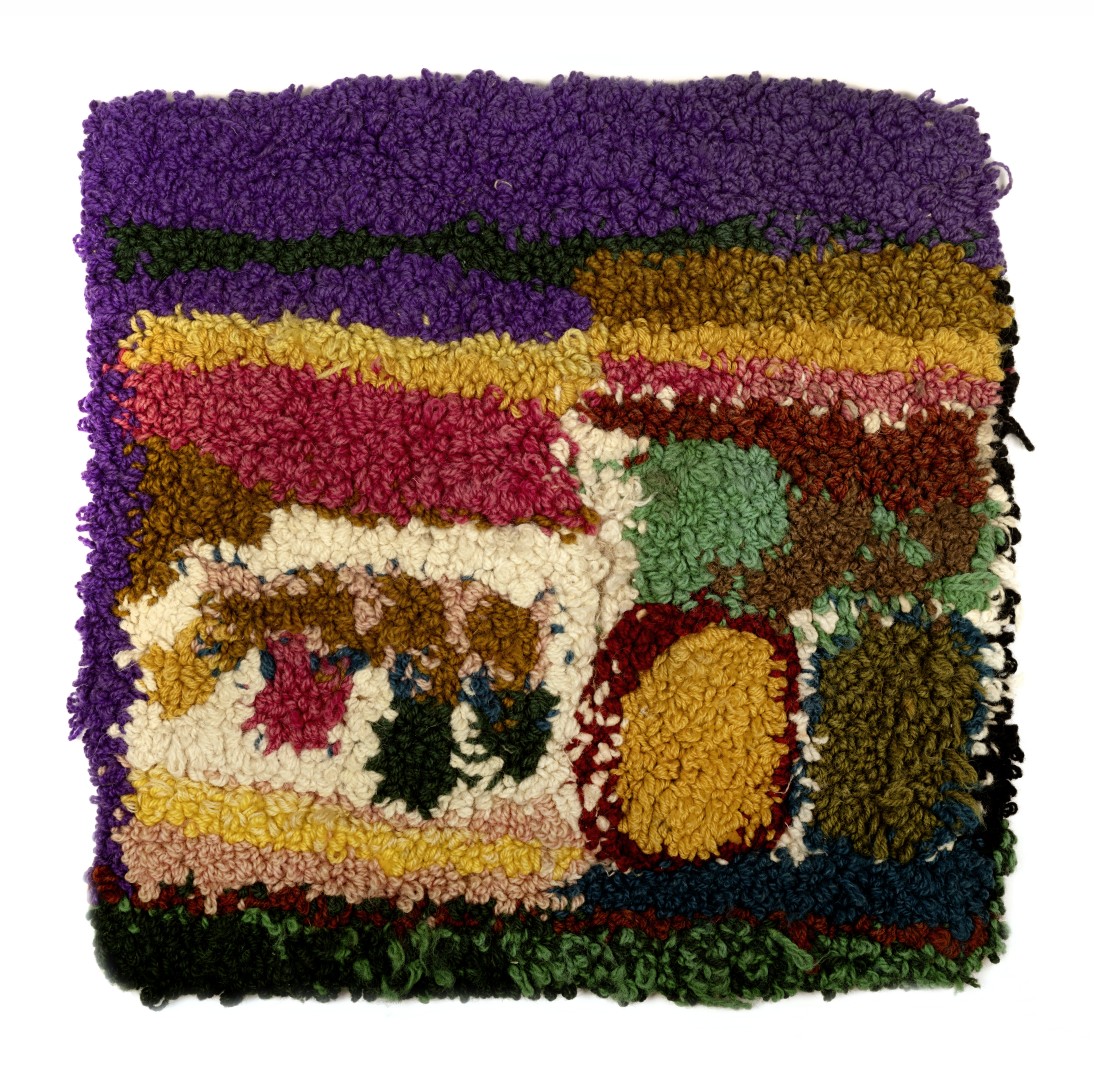
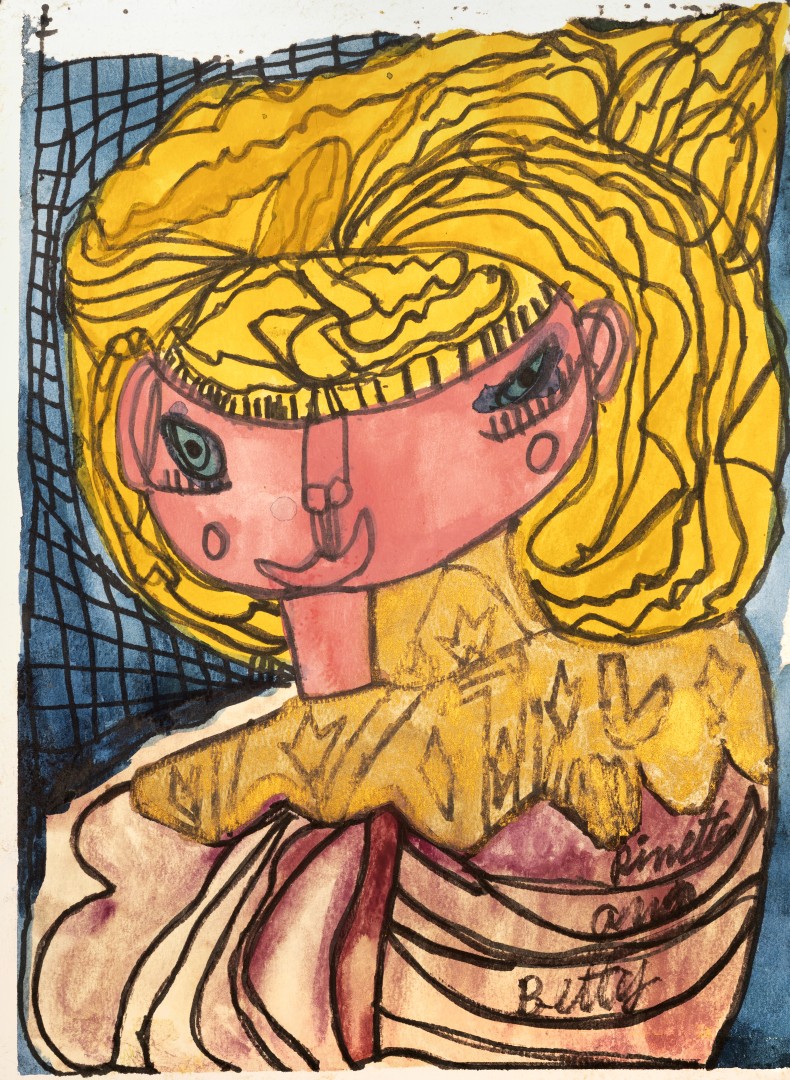
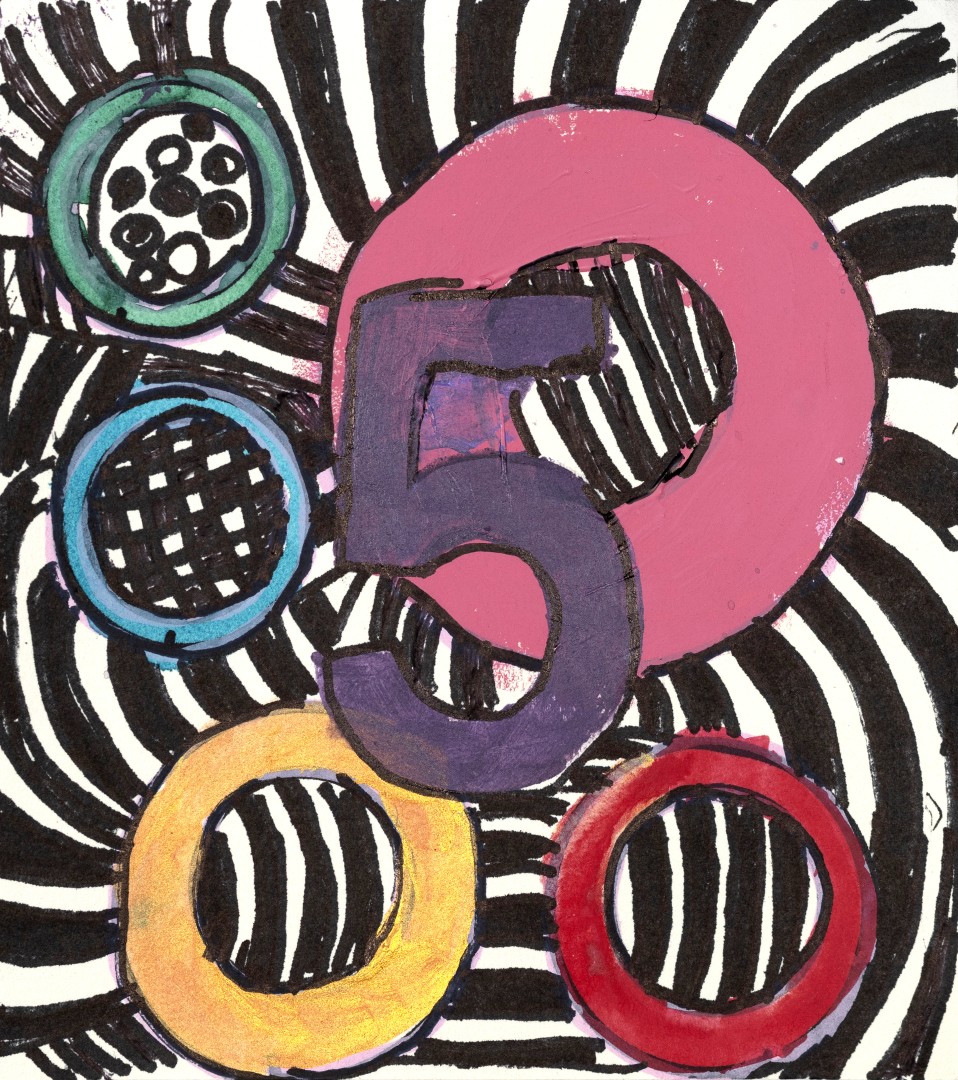
“As a long-time teacher of weaving, I can honestly say that I’ve never enjoyed teaching a group more than the Spindleworks members,” noted Nan Ross shortly after establishing Spindleworks in 1976. The organization’s original home on Ceder Street in Brunswick was—appropriately enough for the textile-oriented focus of Spindleworks—a former rope factory. The art studio opened with spinning wheels, looms, rug-hooking supplies, paper and pencils. The exposure to creative practice quickly opened new horizons. As Ross explained at the time: “We’ve worked on spinning yarn, weaving on a four-harness loom, inkle weaving, stitchery, latch-hook, rug hooking, dyeing yarns, painting and drawing.” Other activities included taking photographs and processing the film; working with visiting artists on yoga, clowning, and dance; and printmaking, poetry, and filmmaking. The works featured in this section of the exhibition—and throughout the show—testify to the extraordinary creative ambition and excitement generated by Spindleworks, qualities that led one artists’ mentor to describe it as the “joy factory.” Terri Snape, a member of the first cohort of six Spindleworks artists, who continues to work actively in its studios, writes in a poem: “Every Tuesday we dance/…I like to come here to Spindleworks/Every day.”